With more than 10‑year industry experience, Shandong Headpowder delivers full‑service pneumatic‑conveying systems and blowers, undertaking nationwide turn‑key powder‑handling projects.
HeadPowder, a leading engineering company based in Shandong, China, specializes in the design and implementation of advanced pneumatic conveying systems tailored for agricultural applications such as paddy grain handling. This article provides an overview of the technology, explaining how pneumatic conveying systems operate and their significance in modern grain processing and storage operations.
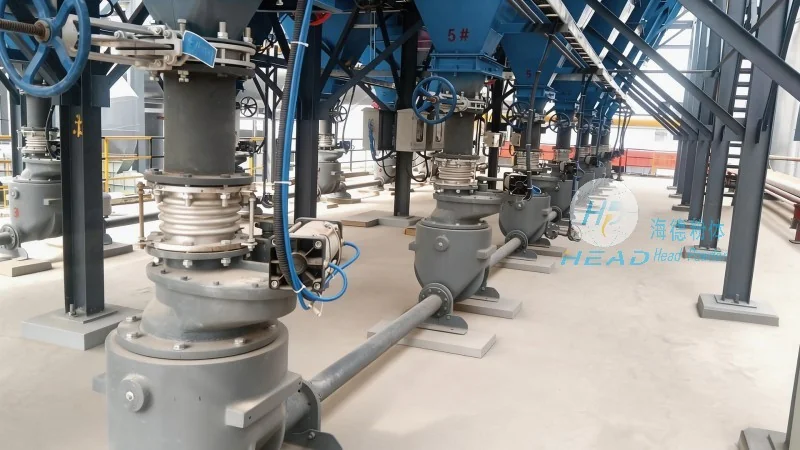
Pneumatic conveying systems utilize air or gas to transport bulk materials like paddy grain through a network of pipes. The core components include a hopper for material storage, a blower or compressor to generate airflow, a conveying line, and a receiver for the discharged material. The system operates by drawing grain from the hopper and propelling it through the pipe using the force of the moving air. This method offers several advantages over traditional mechanical conveying, including reduced equipment wear, lower maintenance costs, and the ability to handle materials in a dust-free environment.
The effectiveness of a pneumatic conveying system for paddy grain depends on the proper integration of its key components. The material hopper is designed to hold the paddy grain and feed it into the system at a controlled rate. The blower or compressor provides the necessary pressure and airflow to move the grain through the conveying line. The conveying line itself is typically made of durable materials like stainless steel or PVC to withstand the abrasive nature of paddy grain and the pressure of the air flow. The receiver at the end of the line collects the conveyed grain, often equipped with a discharge valve to regulate the outflow. Each component works in harmony to ensure efficient and reliable material transport, minimizing the risk of clogging or material degradation.
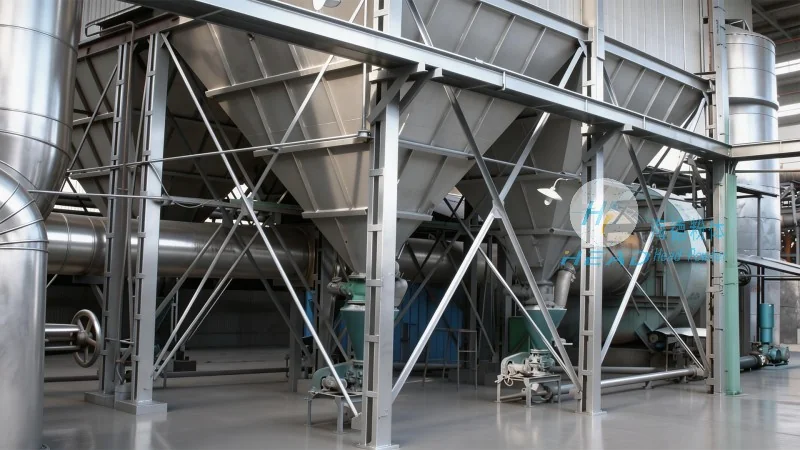
The operation of a paddy grain pneumatic conveying system follows a systematic process. Initially, the paddy grain is fed into the material hopper from a storage silo or processing area. The hopper is equipped with a feeder, such as a rotary valve or screw conveyor, which controls the flow rate of the grain into the system. Simultaneously, the blower starts and generates a flow of air through the conveying line. As the air moves through the pipe, it creates a pressure differential that draws the paddy grain into the airflow. The grain is then carried along the pipe by the moving air, traveling from the hopper to the receiver. The receiver is positioned at the end of the conveying line and is designed to collect the grain while allowing the air to escape through a vent or filter. This process repeats continuously, enabling the system to transport large volumes of paddy grain efficiently and safely.

Implementing a pneumatic conveying system for paddy grain handling offers numerous benefits that enhance operational efficiency and product quality. One of the primary advantages is the ability to handle materials in a closed system, which prevents contamination from external sources and reduces dust emissions, contributing to a cleaner working environment. Additionally, pneumatic conveying systems are highly flexible, allowing for changes in the conveying route or capacity without major structural modifications. The system also minimizes material degradation, as the grain is transported gently through the pipes, reducing breakage and loss of quality. From a maintenance perspective, pneumatic conveying systems have fewer moving parts compared to mechanical conveyors, leading to lower maintenance costs and longer equipment lifespan. These advantages make pneumatic conveying an ideal solution for modern paddy grain processing facilities seeking to optimize their material handling processes.
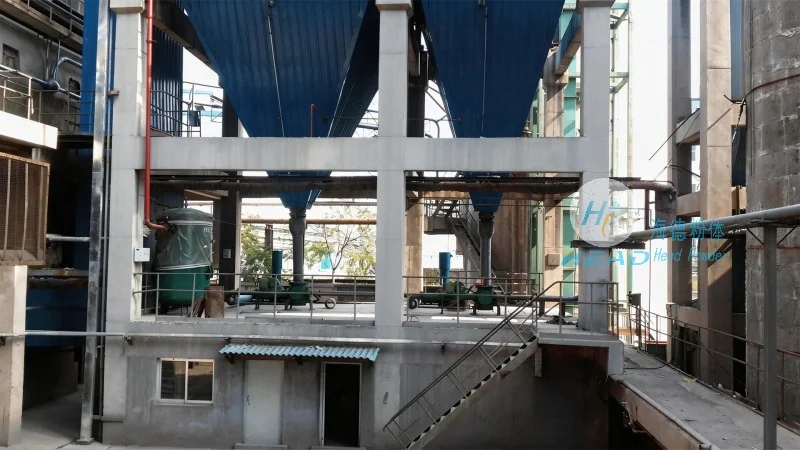
Pneumatic conveying systems are widely used in various stages of paddy grain processing, from initial storage and cleaning to final packaging. In storage facilities, the system can transfer paddy grain from storage silos to processing lines, ensuring a continuous supply of raw material. During cleaning operations, the system can transport grain through cleaning equipment, such as sieves or magnetic separators, without the need for manual handling. After processing, the system can move the cleaned and sorted paddy grain to packaging machines, where it is packaged into bags or containers. In each of these applications, the pneumatic conveying system provides a reliable and efficient method for material transport, supporting the overall productivity of the processing plant. The adaptability of the system allows it to be integrated into existing processing lines or used as a standalone solution, depending on the specific needs of the facility.
HeadPowder, with its expertise in engineering and manufacturing, provides comprehensive pneumatic conveying solutions tailored to the unique requirements of paddy grain handling. By understanding the working principles and advantages of pneumatic conveying systems, paddy grain processing facilities can enhance their operational efficiency, improve product quality, and reduce costs. The company’s commitment to quality and innovation ensures that its systems are designed to meet the highest standards of performance and reliability, supporting the long-term success of agricultural operations. For businesses seeking to optimize their paddy grain handling processes, pneumatic conveying systems offer a robust and effective solution, backed by the expertise of Shandong HeadPowder Engineering Co., Ltd.

 Shandong Headpowder Engineering Co., Ltd.
 156-6277-7102(Manager Zhang)
  0531-83386006
  Zhangqiu District, Jinan City, Shandong Province, China
telephone
WeChatconsult
top