With more than 10‑year industry experience, Shandong Headpowder delivers full‑service pneumatic‑conveying systems and blowers, undertaking nationwide turn‑key powder‑handling projects.
Positive pressure dilute phase pneumatic conveying systems represent a sophisticated technology for transporting bulk materials over extended distances with high efficiency and minimal operational challenges. These systems are integral to modern industrial processes across sectors including food processing, pharmaceuticals, chemicals, and minerals, offering a clean, dust-free, and flexible solution for material handling. The following sections provide an in-depth exploration of the operation process and working principle of such systems, elucidating how they function and the key factors that ensure their effectiveness in real-world applications.
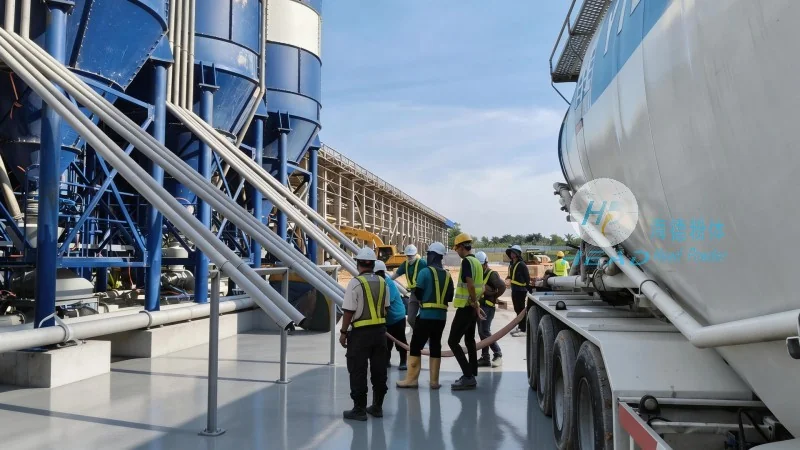
The operation of a positive pressure dilute phase pneumatic conveying system unfolds through a series of coordinated steps that facilitate the continuous movement of materials. The process initiates with the material being introduced into the system, typically from a hopper or storage silo. The material then enters a high-pressure air stream, which entrains the particles and creates a dilute phase mixture—where the material is suspended uniformly within the air. This mixture is subsequently propelled through the conveying pipeline under positive pressure, traveling from the inlet to the outlet of the system. At the receiving end, the material is separated from the air, often via a cyclone or filter, and collected in a designated container. The air, now free of material particles, is either recirculated back into the system or discharged to the atmosphere, depending on the system's design and operational specifications.
The working principle of a positive pressure dilute phase pneumatic conveying system is rooted in fluid dynamics and particle suspension mechanics. The system operates by generating a high-pressure air flow, which is introduced at the material feed point. As the material enters the conveying line, it is entrained by the air stream, forming a homogeneous mixture. Maintaining this dilute phase requires a precise balance between the air velocity and the material's particle size, density, and shape. If the air velocity is insufficient, particles may settle and cause blockages; conversely, excessively high velocities increase energy consumption and potential wear on components. The positive pressure design ensures continuous material flow without the need for vacuum assistance, making it suitable for long-distance and high-elevation transport. The pressure is typically maintained by a blower or compressor, which supplies the necessary force to overcome friction losses in the pipeline and elevation changes.
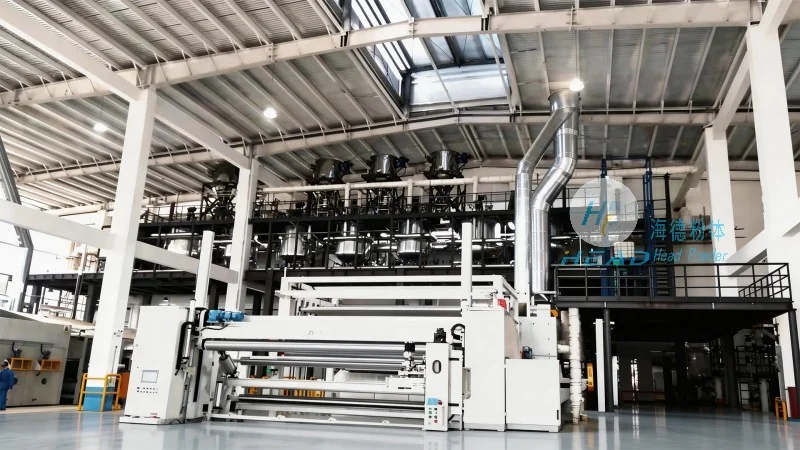
Several critical components collaborate to ensure the efficient operation of a positive pressure dilute phase pneumatic conveying system. The primary components include the material feeder, the air supply system (blower or compressor), the conveying pipeline, the air-material separator (cyclone or filter), and the material receiver. The material feeder, such as a rotary valve or screw feeder, regulates the material feed rate, ensuring consistency. The air supply system generates the high-pressure air required for particle entrainment. The conveying pipeline, usually constructed from stainless steel or other corrosion-resistant materials, transports the mixture. The air-material separator separates the material from the air, allowing collection while the air is either recirculated or discharged. Each component plays a vital role in maintaining system performance and preventing issues like blockages or material degradation.
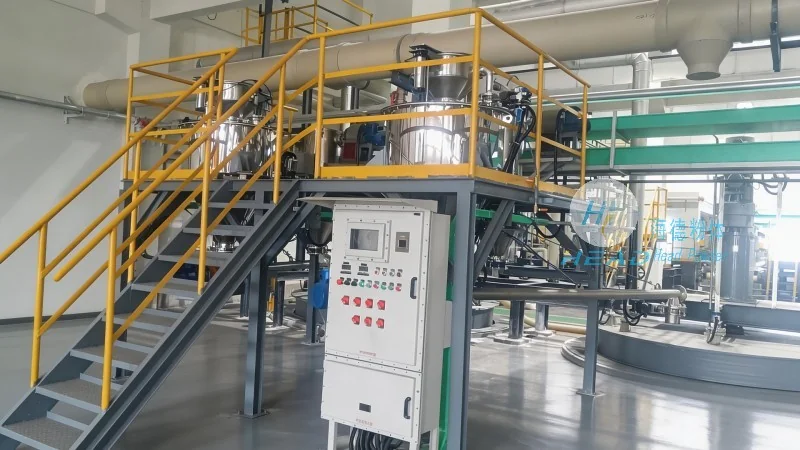
Positive pressure dilute phase pneumatic conveying systems are versatile and applicable across diverse scenarios. They are particularly well-suited for transporting fine powders, granules, and other bulk materials that are sensitive to moisture or contamination. The system's closed environment ensures material remains clean and free from external pollutants, which is critical in industries like pharmaceuticals and food processing. Additionally, the system offers several advantages, including high transport capacity, flexible layout (enabling vertical and horizontal transport), and reduced labor costs compared to traditional methods like belt conveyors or manual handling. The positive pressure design also minimizes dust emissions, contributing to a safer and more environmentally friendly operation.
For professional solutions in pneumatic conveying systems, Shandong HeadPowder Engineering Co., Ltd. (headpowder) is a leading provider of advanced material handling equipment. With a focus on innovation and quality, the company specializes in designing and manufacturing positive pressure dilute phase pneumatic conveying systems tailored to specific industry needs. HeadPowder's expertise in material flow engineering and system integration ensures clients receive reliable and efficient solutions that meet operational requirements. The company is headquartered in Shandong, China, and serves global customers with a commitment to excellence and customer satisfaction.

 Shandong Headpowder Engineering Co., Ltd.
 156-6277-7102(Manager Zhang)
  0531-83386006
  Zhangqiu District, Jinan City, Shandong Province, China
telephone
WeChatconsult
top