

Working Principle and Characteristics of Monosodium Glutamate Powder Pneumatic Conveying
Monosodium glutamate (MSG) powder is a widely used food additive in culinary applications. The efficient and safe transportation of this fine powder is critical for industrial processes. Pneumatic conveying systems have become a reliable solution for handling MSG powder, offering advantages over traditional methods. This article explores the working principle and key characteristics of MSG powder pneumatic conveying, providing insights into its practical applications and benefits.
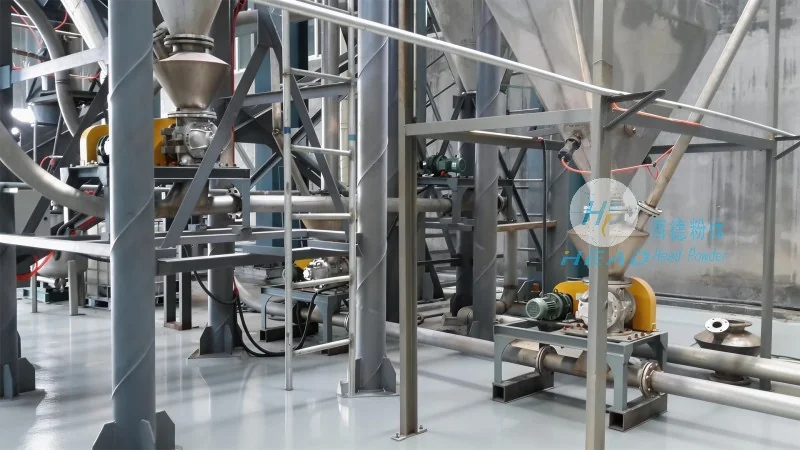
Working Principle of MSG Powder Pneumatic Conveying
Pneumatic conveying operates by transporting solid particles, such as MSG powder, using a gas stream, typically air. The process relies on creating a pressure differential between the conveying line and the ambient environment. In a typical system, the MSG powder is fed into a hopper or feeder, where it is drawn into a pipeline by a vacuum or pressure source. Compressed air is introduced to generate a flow that carries the powder particles through the system. The conveying medium can be either a vacuum (negative pressure) or pressure (positive pressure) system, depending on the specific application requirements.
During the conveying process, the MSG powder particles are suspended in the gas stream, moving from the inlet to the outlet. The gas velocity and particle size determine the transport efficiency. Proper design of the conveying line, including appropriate fittings, bends, and expansion joints, is essential to minimize particle degradation and maintain system performance. The working principle ensures the MSG powder is transported without direct contact with mechanical components, reducing contamination and product degradation risks.
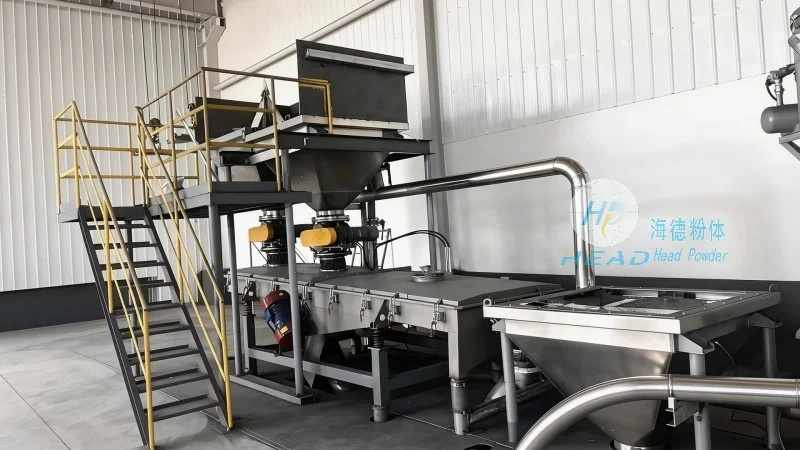
Key Characteristics of MSG Powder Pneumatic Conveying
Several distinct characteristics define the effectiveness of MSG powder pneumatic conveying systems. First, the system offers high flexibility in layout and integration with existing industrial setups. This adaptability allows for customized conveying solutions tailored to specific production environments. Second, the technology provides precise control over flow rate and pressure, enabling consistent MSG powder delivery. This is vital for processes where product quality is critical.
Another significant characteristic is the ability to handle fine and abrasive powders like MSG without excessive wear on system components. The use of appropriate materials for the conveying line and components, such as stainless steel or specialized coatings, ensures durability and longevity. Additionally, pneumatic conveying systems can transport MSG powder over long distances with minimal loss and degradation. This is advantageous for large-scale production facilities requiring material transport between processing stages.
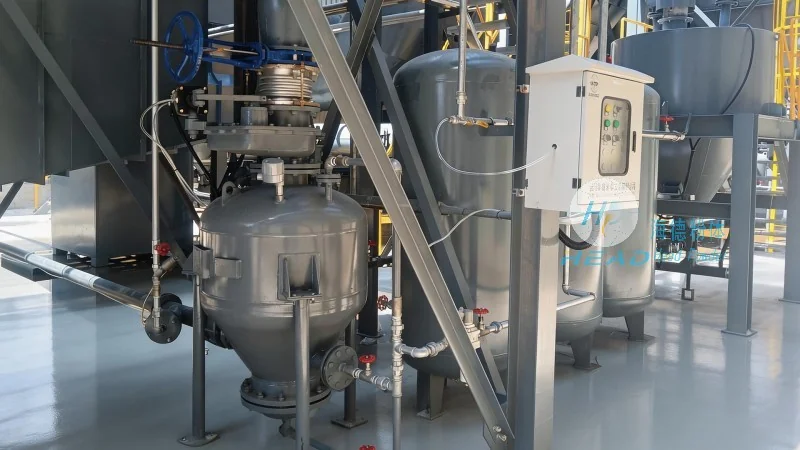
Benefits and Applications in Industrial Settings
The application of pneumatic conveying in MSG powder handling offers numerous benefits for industrial operations. One primary advantage is reduced labor costs associated with manual handling and material transport. Automation improves operational efficiency and reduces workplace accident risks. Furthermore, the system enhances product safety by minimizing direct human contact with the MSG powder, essential for maintaining hygiene standards in food processing industries.
In terms of operational efficiency, pneumatic conveying systems provide consistent and reliable material transport, improving production throughput. The ability to handle fine powders without clogging or blockages ensures smooth production line operation without interruptions. This reliability is crucial for maintaining high product quality and meeting customer demands. The technology also contributes to energy savings by optimizing compressed air use and reducing the need for additional mechanical equipment.
Company Overview: Shandong HeadPowder Engineering Co., Ltd.
Shandong HeadPowder Engineering Co., Ltd., a leading provider of industrial conveying solutions, specializes in designing and implementing pneumatic conveying systems for various powder materials, including MSG powder. With a focus on innovation and customer satisfaction, the company has established itself as a trusted partner in the food processing and chemical industries. HeadPowder's expertise lies in developing customized solutions that meet each client's unique requirements, ensuring optimal performance and reliability.
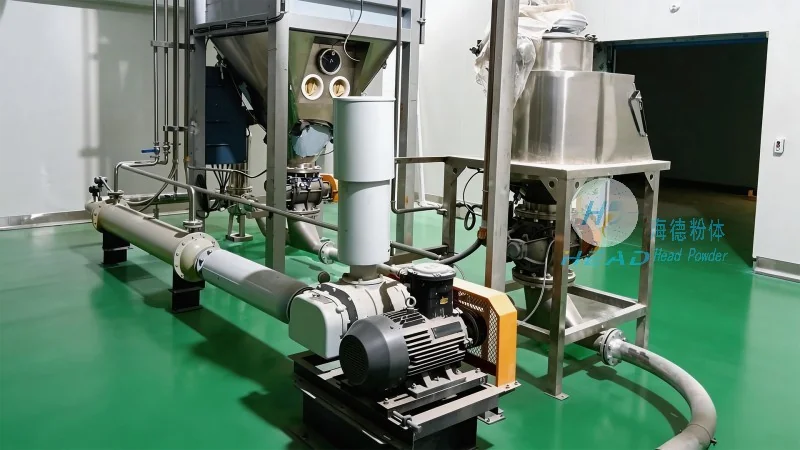
The company's commitment to quality and safety is reflected in its adherence to industry standards and rigorous testing protocols. By leveraging advanced engineering and technology, HeadPowder delivers systems that enhance operational efficiency while maintaining product integrity. With a strong presence in China, particularly in Shandong province, the company serves clients across diverse sectors, providing comprehensive support from system design to installation and maintenance.
Conclusion
In conclusion, the working principle and characteristics of MSG powder pneumatic conveying systems offer significant advantages for industrial applications. The technology provides efficient, safe, and flexible transportation of fine powders, contributing to improved operational efficiency and product quality. As a leading provider in the field, Shandong HeadPowder Engineering Co., Ltd. continues to innovate and deliver tailored solutions that meet the evolving needs of the industry. By understanding the principles and benefits of pneumatic conveying, businesses can enhance their production processes and achieve greater success in the competitive market.