With more than 10‑year industry experience, Shandong Headpowder delivers full‑service pneumatic‑conveying systems and blowers, undertaking nationwide turn‑key powder‑handling projects.
Understanding the components of sulfuric nickel crystallization pneumatic conveying systems is crucial for optimizing industrial processes in the chemical and mining sectors. This article provides a detailed overview of the key elements that constitute such systems, emphasizing the technical aspects and functional roles of each component. The information is presented by Shandong HeadPowder Engineering Co., Ltd., a leading provider of specialized engineering solutions based in China.
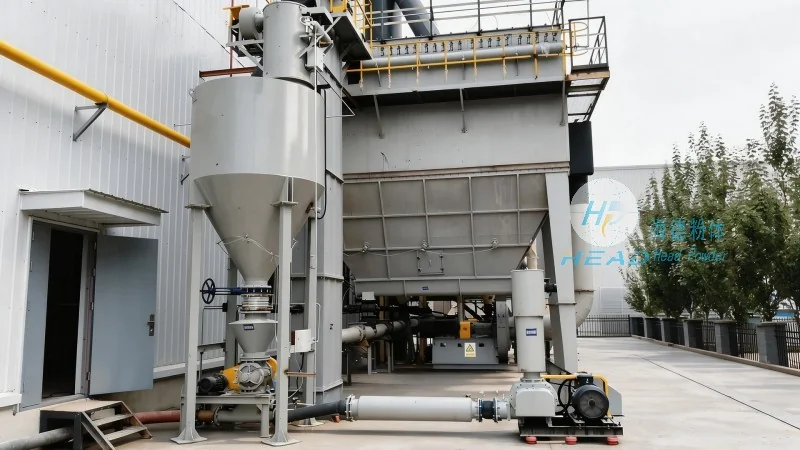
Sulfuric nickel crystallization pneumatic conveying systems are designed to transport crystallized nickel sulfate or related compounds through a pneumatic system using air or other gases. These systems are integral to the processing of nickel sulfate, which is a critical intermediate in the production of nickel-based materials. The efficiency and reliability of these systems directly impact the overall productivity and cost-effectiveness of the manufacturing process.
The pneumatic conveying system for sulfuric nickel crystallization typically consists of several interconnected components, each playing a vital role in the material handling process. The primary components include the crystallizer, the conveying line, the air supply system, and the collection or discharge equipment. Each component is engineered to ensure the safe and efficient transport of the crystallized material from the production point to the storage or processing location.
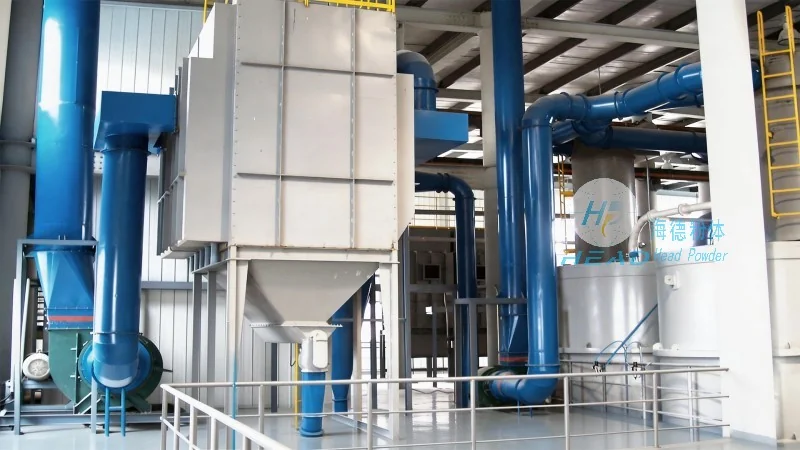
The crystallizer is the initial stage where the nickel sulfate solution is subjected to controlled cooling or evaporation to form crystalline particles. This unit is crucial as it determines the size, shape, and purity of the final product. The design of the crystallizer, including its temperature control mechanisms and agitation systems, directly influences the quality of the crystalline material that will be conveyed. Shandong HeadPowder Engineering Co., Ltd. specializes in designing crystallizers that meet the specific requirements of nickel sulfate production, ensuring optimal crystallization conditions.
The conveying line is the core of the pneumatic system, responsible for transporting the crystallized material through a pipeline under pressure. This line is typically made of materials resistant to corrosion, such as stainless steel or specialized polymers, to withstand the acidic nature of the sulfuric nickel solution and the abrasive properties of the crystalline particles. The line may include various sections like the feed hopper, the transport duct, and the expansion or reduction sections that help maintain the material's flow characteristics. The design of the conveying line is critical to prevent blockages, ensure consistent flow rates, and minimize material degradation during transport.
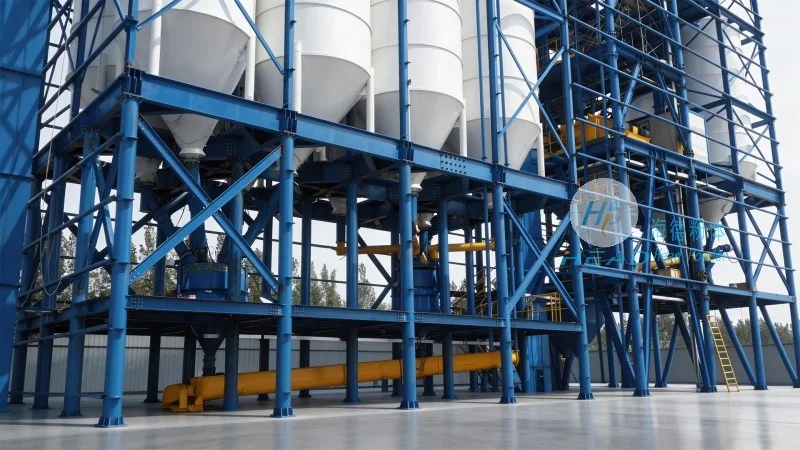
The air supply system provides the necessary pressure and volume of air or gas to move the crystallized material through the conveying line. This system includes components such as blowers, compressors, and air filters. The blower or compressor generates the airflow, while the filters ensure that the air is clean and free from contaminants that could affect the quality of the crystalline product. The control system monitors and regulates the air pressure and flow rate, allowing for precise control over the conveying process. This control is essential for maintaining consistent material transport and preventing overloading or underloading of the system.
The feed equipment, such as the hopper or feeder, is responsible for introducing the crystallized material into the conveying line at a controlled rate. This equipment ensures that the material is fed uniformly and without blockages, which is crucial for maintaining the efficiency of the pneumatic system. The discharge equipment, on the other hand, collects the material from the end of the conveying line and transfers it to the next stage of processing or storage. This equipment may include cyclones, filters, or silos, depending on the specific application. The design of these components must ensure that they can handle the abrasive and corrosive nature of the sulfuric nickel crystalline material without compromising performance or longevity.
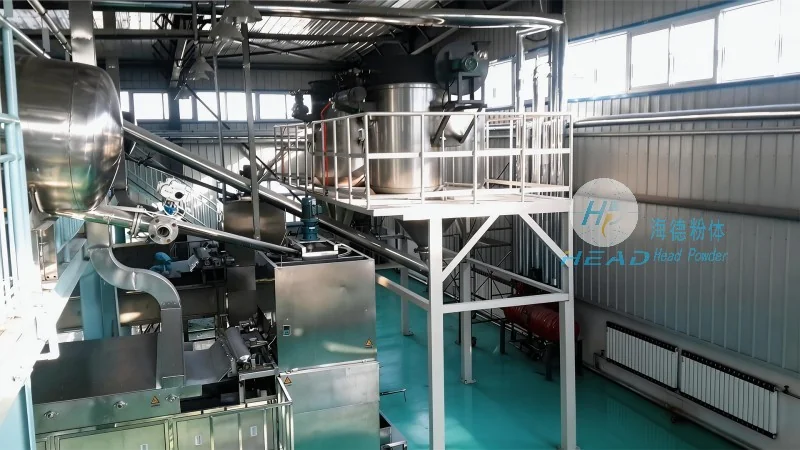
When operating sulfuric nickel crystallization pneumatic conveying systems, several safety and handling considerations are essential. The system must be designed to prevent the release of dust or fumes that could be harmful to personnel. Proper ventilation and filtration systems are installed to maintain a safe working environment. Additionally, the equipment must be regularly inspected and maintained to ensure that it operates within safe parameters and to prevent mechanical failures. Shandong HeadPowder Engineering Co., Ltd. adheres to strict safety standards and provides comprehensive maintenance services to ensure the long-term reliability and safety of their pneumatic conveying systems.
In summary, the components of sulfuric nickel crystallization pneumatic conveying systems are carefully engineered to work together to efficiently transport the crystallized material. Each component, from the crystallizer to the discharge equipment, plays a critical role in the overall performance of the system. By understanding these components and their functions, industries can optimize their processes, improve productivity, and ensure the quality of their nickel sulfate products. Shandong HeadPowder Engineering Co., Ltd. offers specialized engineering solutions tailored to the unique needs of sulfuric nickel crystallization, providing reliable and efficient pneumatic conveying systems for industrial applications.

 Shandong Headpowder Engineering Co., Ltd.
 156-6277-7102(Manager Zhang)
  0531-83386006
  Zhangqiu District, Jinan City, Shandong Province, China
telephone
WeChatconsult
top