Components of PTA Powder Pneumatic Conveying
Release time:2026-09-14 10:49:55
name of the company:Shandong Headpowder Engineering Co., Ltd.
telephone:156-6277-7102
contacts:Manager Zhang
PTA powder pneumatic conveying systems are integral to modern industrial processes, enabling the efficient transport of PTA (polyethylene terephthalate) powder from one location to another. Understanding the components of such systems is crucial for optimizing performance, ensuring safety, and maintaining operational efficiency. This article provides a detailed overview of the key components that make up a typical PTA powder pneumatic conveying system, based on the expertise of Shandong HeadPowder Engineering Co., Ltd., a leading provider in the field.
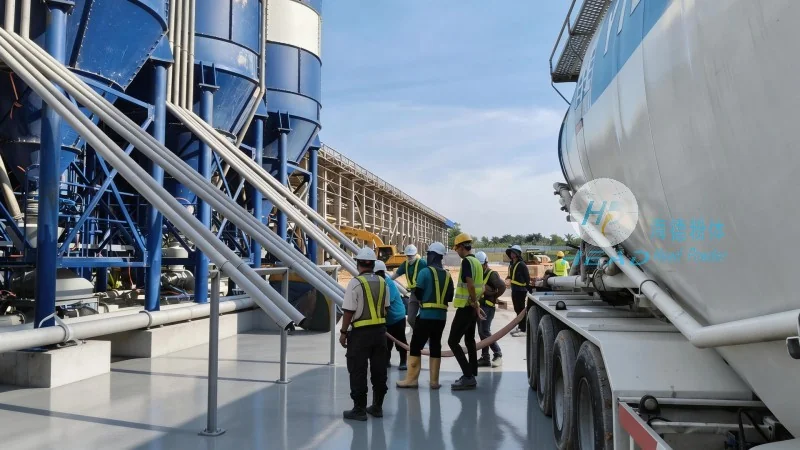
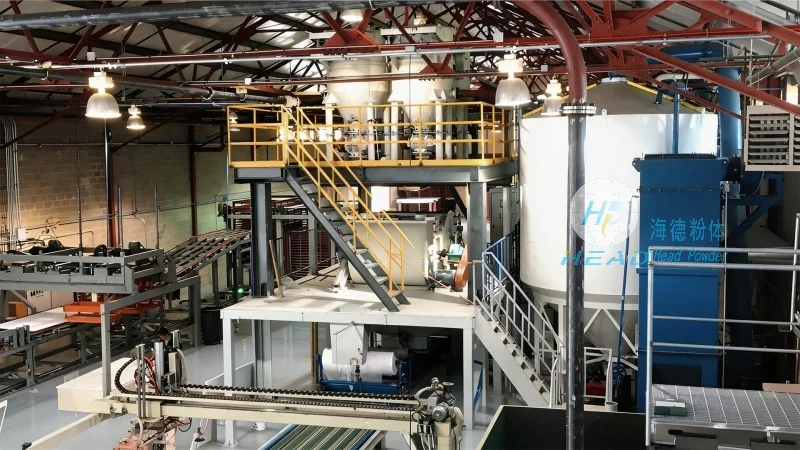
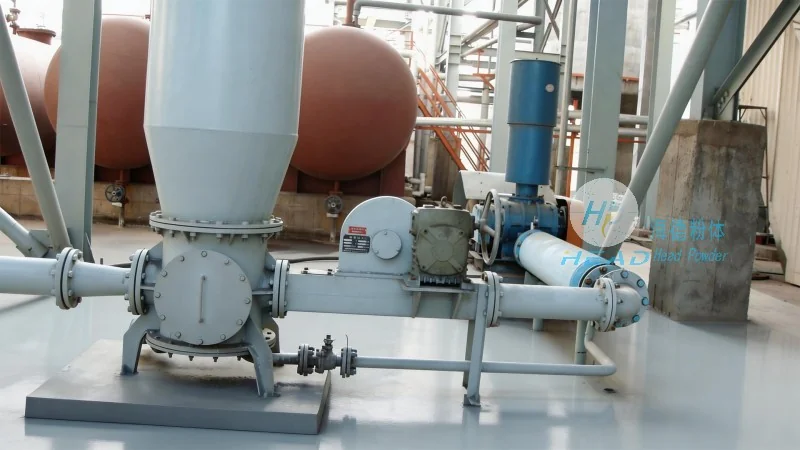
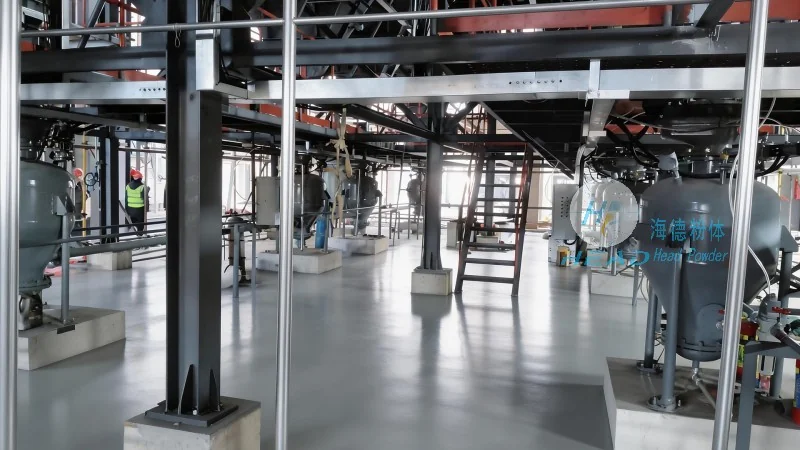
Key Components of PTA Powder Pneumatic Conveying
The core components of a PTA powder pneumatic conveying system are designed to handle the unique properties of PTA powder, which includes its fine particle size, hygroscopic nature, and potential for static charge accumulation. Each component plays a vital role in the overall functionality and reliability of the system. The main components typically include:
- Pneumatic Conveying Hopper: This is the initial storage and feeding unit where PTA powder is loaded. It is designed to maintain a consistent flow of powder to the conveying line, often equipped with a feeder mechanism to control the discharge rate. The hopper may also incorporate features to prevent bridging or caking, which are common issues with PTA powder due to its hygroscopic properties.
- Pneumatic Conveying Feeder: The feeder is responsible for accurately metering the PTA powder from the hopper into the conveying line. It ensures a steady and controlled flow, which is critical for maintaining system efficiency and preventing pressure fluctuations. Different types of feeders, such as rotary valves or screw feeders, may be used depending on the specific requirements of the application.
- Pneumatic Conveying Line: The conveying line is the central pathway through which PTA powder is transported. It can be either a rigid pipe system or a flexible hose, depending on the distance and layout of the conveying route. The line is typically made of materials resistant to PTA powder, such as stainless steel or specialized plastics, to prevent corrosion and material degradation. The design of the line, including bends and elbows, is optimized to minimize pressure drop and maintain the flow of powder.
- Pneumatic Conveying Blower or Air Compressor: The blower or air compressor provides the necessary air pressure and volume to move the PTA powder through the conveying line. It generates the airflow that propels the powder particles, and its performance directly impacts the system's conveying capacity and efficiency. The choice of equipment depends on factors like the required flow rate, the distance of the conveying line, and the particle size of the PTA powder.
- Pneumatic Conveying Receiver: The receiver is the final storage unit where the PTA powder is deposited after being conveyed. It is designed to handle the incoming flow and distribute the powder to the next processing stage. The receiver may include features such as a discharge valve or a discharge hopper to control the release of the powder. Proper design of the receiver is essential to prevent material buildup and ensure smooth operation.
- Pneumatic Conveying Filters and Dust Collectors: Due to the fine nature of PTA powder, dust and particles can be generated during the conveying process. Filters and dust collectors are installed to capture these particles and prevent them from being released into the environment. This not only ensures compliance with environmental regulations but also protects the equipment and personnel from dust exposure. The filters are typically designed to handle high volumes of air and capture particles as small as microns.
- Pneumatic Conveying Control System: The control system manages the operation of the entire pneumatic conveying system, including the feeder, blower, and receiver. It monitors parameters such as pressure, flow rate, and temperature, and adjusts the system settings as needed to maintain optimal performance. Modern control systems often incorporate automation features, allowing for remote monitoring and operation, which enhances efficiency and reduces downtime.
About Shandong HeadPowder Engineering Co., Ltd.
Shandong HeadPowder Engineering Co., Ltd., operating under the brand name headpowder, is a specialized engineering company based in China. With a focus on providing high-quality solutions for powder handling and pneumatic conveying systems, the company has established itself as a leader in the industry. Headpowder's expertise lies in designing and manufacturing systems tailored to the specific needs of clients, ensuring reliability, efficiency, and compliance with industry standards. The company's commitment to innovation and customer satisfaction has made it a trusted partner for businesses operating in sectors such as chemical, pharmaceutical, and food processing, where PTA powder handling is critical.

 Shandong Headpowder Engineering Co., Ltd.
 156-6277-7102(Manager Zhang)
  0531-83386006
  Zhangqiu District, Jinan City, Shandong Province, China