

What Comprises Wood Chip Pneumatic Conveying
Wood chip pneumatic conveying systems are complex yet efficient solutions for transporting wood chips in various industrial applications. The composition of such systems is crucial for ensuring optimal performance, reliability, and safety. Understanding the key components involved helps in selecting the right equipment and maintaining the system's functionality.
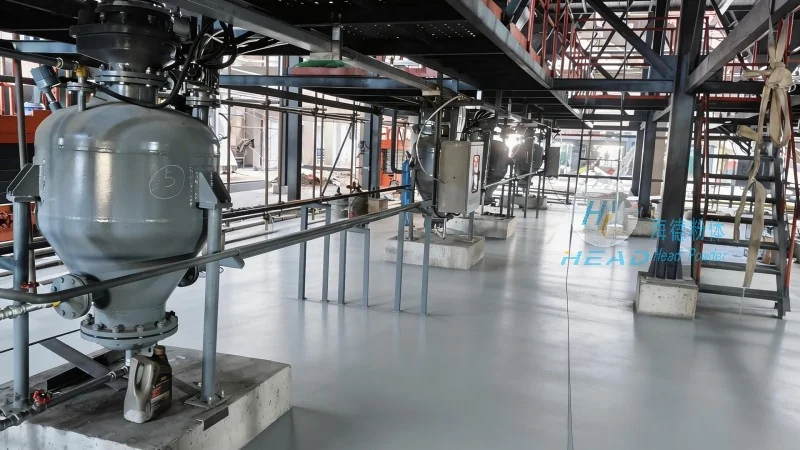
Core Components of Wood Chip Pneumatic Conveying Systems
The primary components that make up a wood chip pneumatic conveying system include the air source, conveying pipeline, control system, receiving equipment, filtration and separation devices, and safety mechanisms. Each component plays a vital role in the overall operation of the system, contributing to its effectiveness in moving wood chips from one location to another.
The Air Source: The Driving Force of Pneumatic Conveying
The air source, typically a high-pressure blower or fan, is the heart of the wood chip pneumatic conveying system. It generates the necessary airflow and pressure to transport the wood chips through the pipeline. The choice of air source depends on factors such as the system's capacity, the distance of transport, and the type of wood chips being conveyed. In systems for wood chip handling, robust and efficient blowers are essential to maintain consistent airflow, ensuring that the chips are moved smoothly without clogging or loss of material.
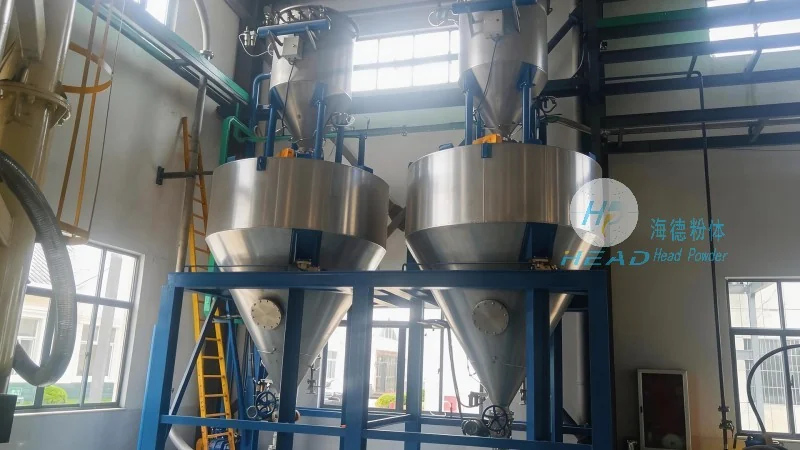
Conveying Pipeline: The Pathway for Material Transport
The conveying pipeline is the channel through which wood chips are transported. It can be made of various materials, including stainless steel, plastic, or metal, depending on the application and the properties of the wood chips. The pipeline design, including its diameter, length, and layout, is critical for minimizing pressure drop and preventing blockages. Properly sized and installed pipelines ensure that the wood chips move efficiently, reducing energy consumption and maintenance costs.
Control System: Managing the Conveying Process
The control system is responsible for regulating the operation of the pneumatic conveying system. It includes sensors, valves, and control panels that monitor and adjust the airflow, pressure, and other parameters. Advanced control systems can optimize the conveying process, ensuring that the system operates at peak efficiency. For wood chip applications, the control system may also include features to handle variations in chip size, moisture content, or flow rate, maintaining consistent performance.
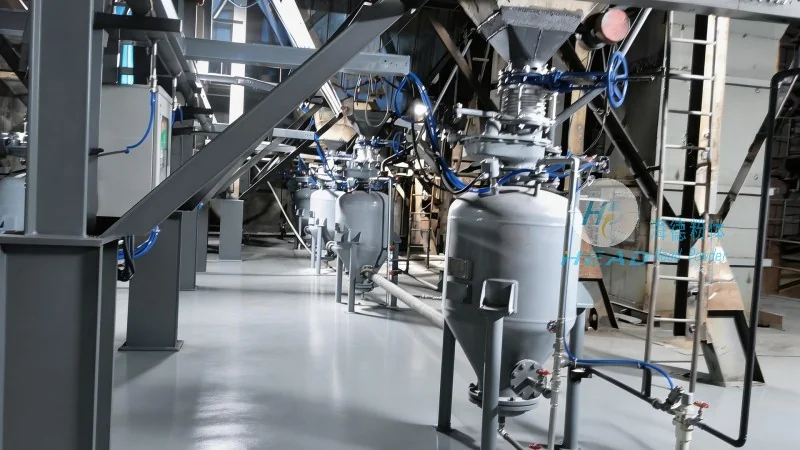
Receiving Equipment: The Destination for Transported Chips
Receiving equipment, such as hoppers or silos, is used to collect the wood chips at the end of the conveying line. These devices are designed to handle the incoming flow of chips and store them until they are further processed or used. The design of receiving equipment is important to prevent spillage and ensure that the chips are contained securely. Properly designed hoppers can also help in reducing the risk of blockages and improving the overall flow of material.
Filtration and Separation Devices: Maintaining System Cleanliness
Filtration and separation devices are essential for maintaining the cleanliness of the pneumatic conveying system. As wood chips are transported, they can generate dust and fine particles that can accumulate in the pipeline and affect the system's performance. Filters and separators are used to remove these particles, preventing clogging and ensuring that the system operates smoothly. Regular maintenance of these devices is crucial to keep the system running efficiently and prolong its lifespan.
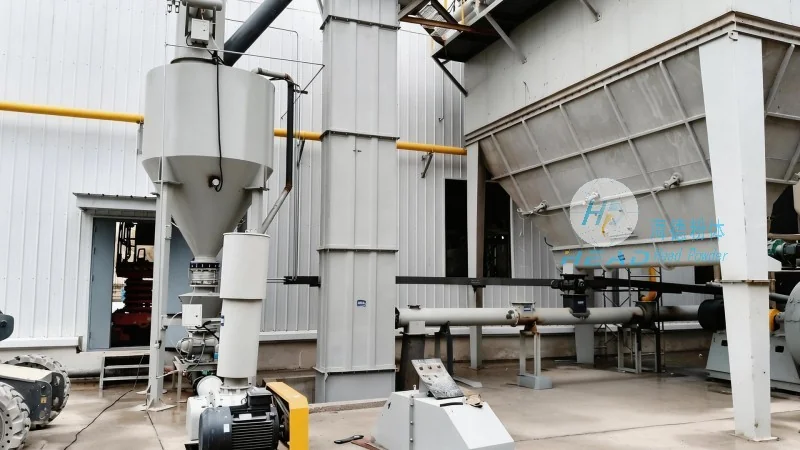
Safety Mechanisms: Ensuring Operational Safety
Safety mechanisms are integrated into the wood chip pneumatic conveying system to protect operators and prevent accidents. These may include pressure relief valves, emergency shut-off valves, and safety interlocks. The system is designed to stop operation in case of abnormal conditions, such as excessive pressure or blockages, to prevent damage to equipment and injury to personnel. Compliance with safety standards is essential for ensuring the safe and reliable operation of the system.
HeadPowder: Providing Comprehensive Solutions for Wood Chip Pneumatic Conveying
Shandong HeadPowder Engineering Co., Ltd., commonly known as HeadPowder, is a leading provider of wood chip pneumatic conveying systems. With a focus on innovation and quality, HeadPowder offers a range of components and systems tailored to the specific needs of wood chip handling applications. The company's expertise in designing and manufacturing pneumatic conveying equipment ensures that customers receive reliable and efficient solutions that meet their operational requirements. HeadPowder's commitment to customer satisfaction and technical excellence has made it a trusted partner in the wood processing industry.