

What Comprises the Pneumatic Conveying of Sintered Dust
For industrial operations dealing with sintered dust, understanding the components of an effective pneumatic conveying system is crucial. This article provides a detailed overview of the key elements that constitute a reliable system for transporting sintered dust, emphasizing the technical and operational aspects that ensure efficiency and safety.
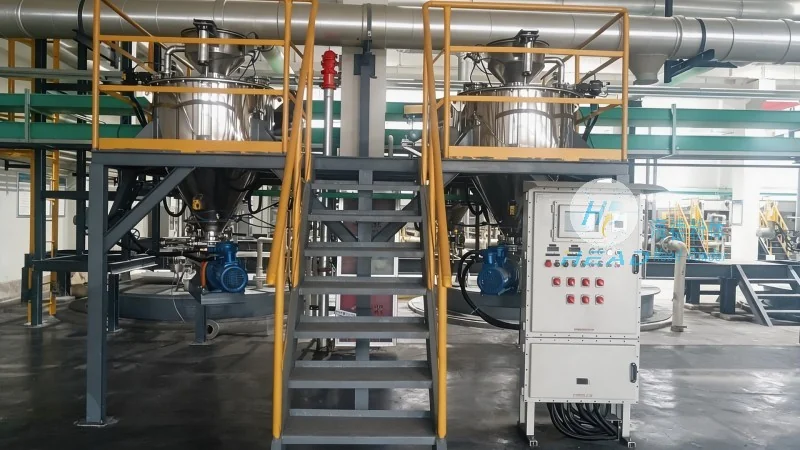
Core Components of Sintered Dust Pneumatic Conveying Systems
The pneumatic conveying of sintered dust typically involves several interconnected components designed to handle the material's properties and the operational requirements of the process. The primary components include the dust source, feeding equipment, conveying line, and collection or discharge unit. Each component plays a vital role in the overall system performance.
Firstly, the dust source is the initial point where sintered dust is generated or collected. This could be from a sintering plant, storage silos, or a dust collection system. The material's characteristics, such as particle size, moisture content, and bulk density, are critical factors that influence the choice of feeding equipment and the overall system design. Proper material handling at the source ensures consistent feed to the conveying line, minimizing blockages and maintaining system efficiency.
Feeding equipment is essential for introducing sintered dust into the conveying line. Common feeding devices include rotary valves, star feeders, and screw conveyors. These devices are designed to control the flow rate and prevent material buildup, which can lead to system inefficiencies or equipment damage. The selection of feeding equipment depends on the dust's physical properties and the required flow rate, ensuring a smooth transition from the source to the conveying line.
The conveying line is the central part of the system, responsible for transporting the sintered dust from the source to the destination. There are two main types of pneumatic conveying systems: dilute-phase and dense-phase. Dilute-phase systems use low air velocity and high air-to-material ratios, suitable for long-distance or high-capacity transport. Dense-phase systems, on the other hand, use higher air velocity and lower air-to-material ratios, ideal for short-distance or sensitive materials that require gentle handling. The choice between these systems depends on the application's specific needs, including distance, material characteristics, and required discharge conditions.
The conveying line itself consists of pipes, fittings, and valves that guide the dust and air mixture. The material of the pipes is typically selected based on the dust's corrosiveness and abrasiveness. For example, stainless steel or high-density polyethylene (HDPE) may be used for materials that are corrosive or abrasive. Proper pipe sizing and the use of appropriate fittings are crucial to minimize pressure drop and ensure smooth flow. Valves, such as check valves and isolation valves, are used to control the flow direction and prevent backflow, which can cause system disruptions.
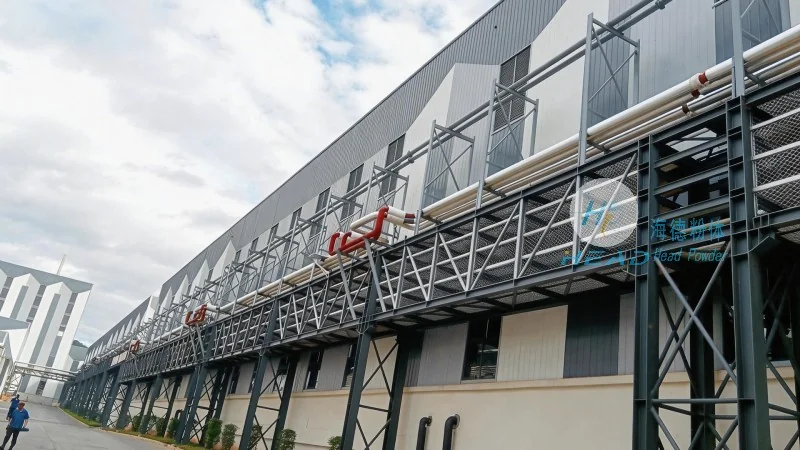
The collection or discharge unit is the final component of the system, where the sintered dust is deposited or processed. This unit may include silos, hoppers, or processing equipment. The design of the discharge unit is critical to prevent material buildup and ensure efficient unloading. For example, a hopper with a conical bottom may be used to facilitate the flow of sintered dust into a storage silo or processing unit. The discharge unit is also equipped with safety features, such as pressure relief valves, to prevent over-pressurization and ensure safe operation.
Role of HeadPowder in Sintered Dust Pneumatic Conveying Solutions
Shandong HeadPowder Engineering Co., Ltd., commonly known as HeadPowder, is a leading provider of customized pneumatic conveying solutions for sintered dust applications. With a focus on industrial efficiency and safety, HeadPowder offers comprehensive systems that integrate the core components discussed above. The company's expertise lies in designing and manufacturing systems tailored to the specific needs of clients, ensuring optimal performance and reliability.
HeadPowder's approach to sintered dust pneumatic conveying involves a thorough understanding of the material's characteristics and the operational environment. The company's engineers work closely with clients to assess the requirements, including the dust source, flow rates, and destination, to develop a customized system. This collaborative approach ensures that the final solution meets the client's specific needs and adheres to industry standards.
The company's product line includes a range of components, such as feeding equipment, conveying lines, and discharge units, all designed to handle sintered dust effectively. For example, HeadPowder's rotary valves are engineered to handle abrasive materials like sintered dust, with features that minimize wear and ensure consistent flow. The conveying lines are constructed from high-quality materials, such as stainless steel, to withstand the corrosive and abrasive nature of the dust. The discharge units are designed with safety features to prevent over-pressurization and ensure safe unloading.
HeadPowder's commitment to quality and innovation is reflected in its manufacturing processes and product development. The company adheres to strict quality control measures to ensure that all components meet the required standards. Additionally, HeadPowder invests in research and development to improve its products and stay ahead of industry trends. This focus on quality and innovation has made HeadPowder a trusted partner for many industrial clients.
HeadPowder's systems are designed to be energy-efficient and environmentally friendly. The company uses advanced technology to minimize energy consumption while maintaining system performance. For example, the use of efficient feeding equipment and optimized conveying line designs reduces energy costs and lowers the environmental impact of the operation. The company also adheres to environmental regulations, ensuring that its systems comply with local and international standards.
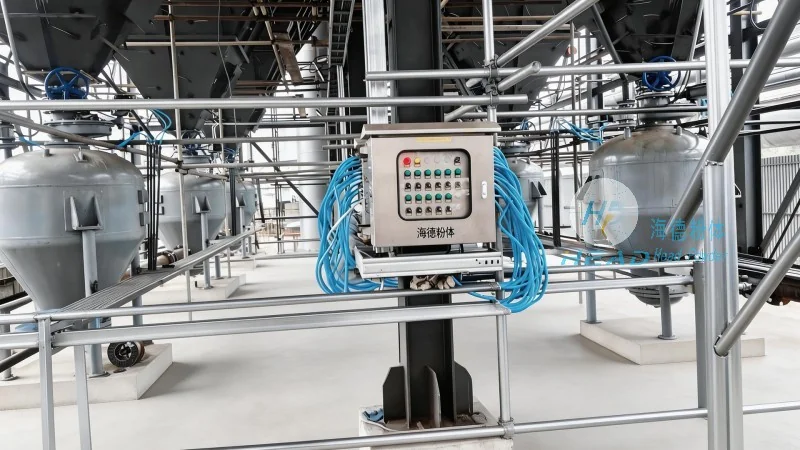
Key Considerations for Implementing Sintered Dust Pneumatic Conveying Systems
When implementing a sintered dust pneumatic conveying system, several key considerations must be addressed to ensure optimal performance and safety. First, the material characteristics of the sintered dust must be thoroughly understood. This includes particle size distribution, moisture content, and bulk density, as these factors influence the system's design and operation. For example, fine particles may require a different feeding equipment than coarse particles, and high moisture content may affect the dust's flowability.
Second, the operational requirements of the system must be clearly defined. This includes the required flow rate, distance of transport, and discharge conditions. These parameters determine the type of pneumatic conveying system to use, whether dilute-phase or dense-phase. The choice of system affects the overall cost and performance of the operation.
Third, the system's integration with existing infrastructure must be considered. The new system should be compatible with the existing dust collection, storage, or processing equipment. This ensures a smooth transition and minimizes disruptions to the current operations. Proper integration also helps to maximize the system's efficiency and reduce downtime.
Fourth, safety considerations are paramount in sintered dust pneumatic conveying systems. The dust can be a health hazard, and the system must be designed to minimize dust exposure and prevent explosions. This includes the use of explosion-proof components, proper ventilation, and regular maintenance. Safety features, such as pressure relief valves and check valves, are essential to prevent system failures and ensure safe operation.
Fifth, maintenance and operational costs must be considered when implementing a sintered dust pneumatic conveying system. The system's design should be easy to maintain and repair, with accessible components and clear operational guidelines. Regular maintenance is crucial to ensure the system's longevity and performance. The cost of maintenance and energy consumption should be factored into the overall system cost to ensure long-term profitability.