With more than 10‑year industry experience, Shandong Headpowder delivers full‑service pneumatic‑conveying systems and blowers, undertaking nationwide turn‑key powder‑handling projects.
When discussing the pneumatic conveying of chili powder, it's essential to understand the key components that make up this specialized system. The process involves several critical elements designed to ensure efficient and safe transportation of the product. Here, we explore the main components that constitute a typical pneumatic conveying system for chili powder, highlighting the technology and infrastructure involved.
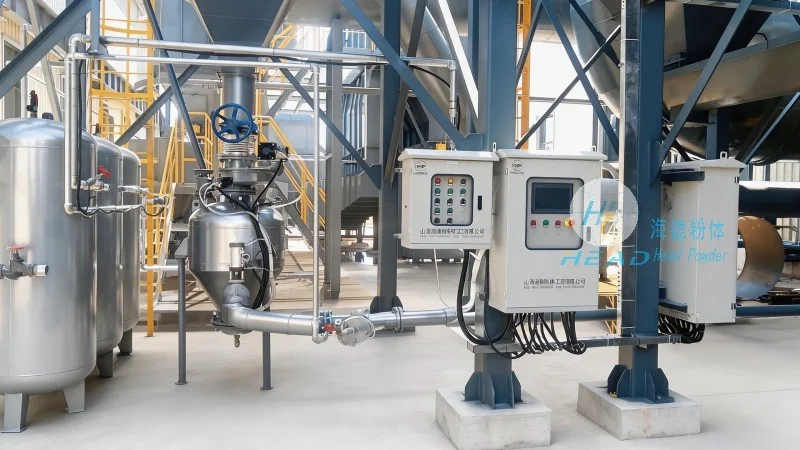
The pneumatic conveying system for chili powder typically consists of several interconnected parts. The primary components include the material feed hopper, the conveying pipeline, the air supply system, and the control mechanisms. Each of these elements plays a vital role in the overall operation, ensuring that the chili powder is transported from the storage area to the processing or packaging units without loss or degradation.
The material feed hopper is a crucial component in the system. It serves as the storage and feeding unit for the chili powder. The hopper is designed to hold a sufficient quantity of the product, allowing for continuous or batch feeding as required by the production process. The dosing equipment, often integrated with the hopper, controls the flow rate of the chili powder into the conveying system. This component ensures that the material is introduced into the pipeline at a consistent rate, preventing overloading or underfeeding that could affect the conveying efficiency. The hopper is usually constructed from materials resistant to the corrosive properties of chili powder and its oils, such as stainless steel or specialized coatings. This design helps maintain the quality of the product and prolongs the equipment's lifespan.
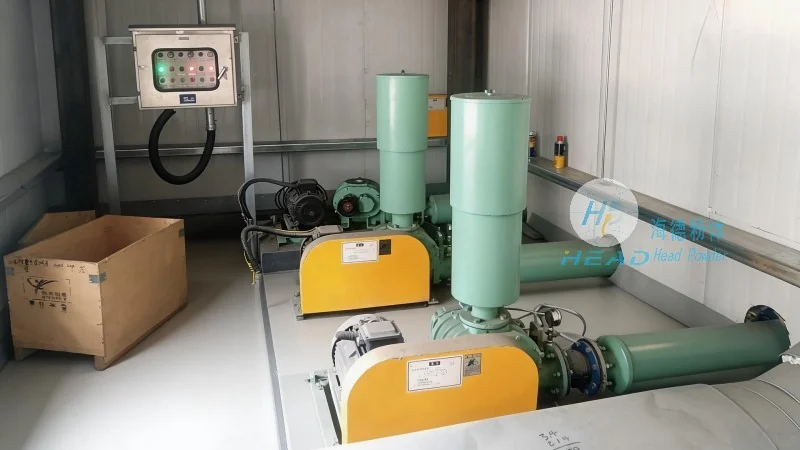
The conveying pipeline is the backbone of the pneumatic system, responsible for transporting the chili powder through the air. The pipeline is typically made from materials like stainless steel or food-grade plastic, chosen for their durability and resistance to the abrasive nature of the powder. The air supply system provides the necessary pressure and volume of air to move the material through the pipeline. This system includes a blower or compressor, which generates the airflow, and associated components like filters and regulators to maintain air quality and pressure stability. The air supply is critical as it creates the pressure differential needed to move the chili powder from the hopper to the discharge point. The system may also include expansion joints and bends to accommodate changes in direction or elevation, ensuring smooth and continuous flow.
Modern pneumatic conveying systems for chili powder are equipped with advanced control and monitoring systems. These systems help manage the operation efficiently and ensure safety. The control panel typically includes sensors and indicators for pressure, flow rate, and material level. These sensors provide real-time data, allowing operators to monitor the system's performance and make adjustments as needed. The control system may also include automation features, such as programmable logic controllers (PLCs), which can regulate the feeding rate, air pressure, and other parameters based on predefined settings. This automation enhances the system's efficiency and reduces the risk of human error. Additionally, safety features like pressure relief valves and emergency shut-off mechanisms are integrated to prevent accidents and protect the equipment and personnel.
The discharge and collection equipment is the final component in the pneumatic conveying system. It receives the chili powder from the pipeline and directs it to the intended destination, such as a processing line or packaging machine. The discharge unit is often designed with a valve or gate to control the flow of the material out of the pipeline. The collection hopper or bin is used to store the conveyed chili powder before it is further processed or packaged. This component is typically equipped with a level indicator to monitor the material level, ensuring that the system operates within safe limits. The discharge equipment is also designed to minimize dust and spillage, maintaining a clean and safe working environment. The materials used in the discharge and collection equipment are similar to those in the feed hopper, emphasizing durability and resistance to the product's properties.
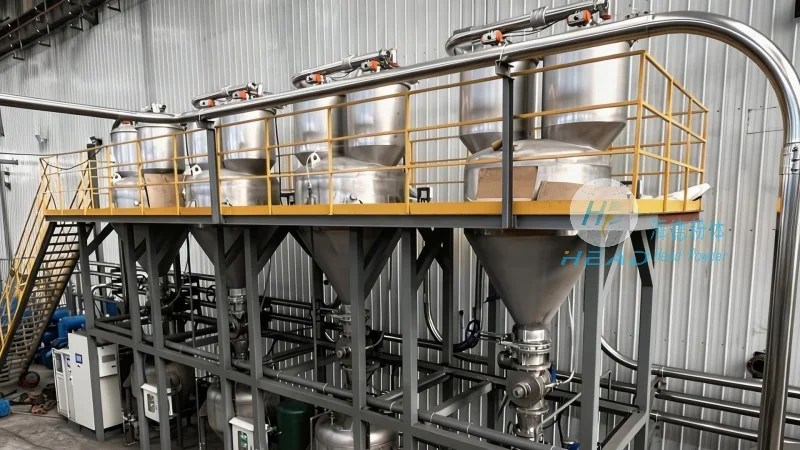
The pneumatic conveying system for chili powder is often integrated with the overall processing facility. This integration ensures a seamless flow of materials from storage to processing and packaging. The system may connect to other equipment such as mixers, grinders, or packaging machines, allowing for a continuous production line. The design of the conveying system takes into account the layout of the processing facility, ensuring that the pipeline is installed in a way that minimizes space usage and maximizes efficiency. The integration also includes considerations for dust control and environmental compliance, as chili powder can be a fine, airborne material that requires proper handling to prevent contamination and health hazards.
Maintaining the pneumatic conveying system for chili powder is essential to ensure its longevity and performance. Regular maintenance includes cleaning the pipeline and components to prevent clogging and buildup of the powder. The air supply system should be checked for wear and tear, and filters should be replaced as needed to maintain air quality. The control systems should be calibrated periodically to ensure accurate readings and proper operation. Operational considerations also include monitoring the system's performance over time, identifying any signs of degradation or inefficiency, and addressing them promptly. Proper training of operators on the system's operation and maintenance is crucial to prevent issues and ensure the system runs smoothly. By adhering to these maintenance and operational guidelines, the system can provide reliable and efficient service for the transportation of chili powder.

 Shandong Headpowder Engineering Co., Ltd.
 156-6277-7102(Manager Zhang)
  0531-83386006
  Zhangqiu District, Jinan City, Shandong Province, China
telephone
WeChatconsult
top