

Components of Polyacrylamide Pneumatic Conveying
Understanding the components of polyacrylamide pneumatic conveying is essential for industries that rely on efficient and reliable material handling solutions. This system combines the properties of polyacrylamide, a versatile polymer, with pneumatic technology to transport materials through air pressure. The following sections detail the key elements that constitute a polyacrylamide pneumatic conveying system, highlighting the role of each component in ensuring optimal performance.
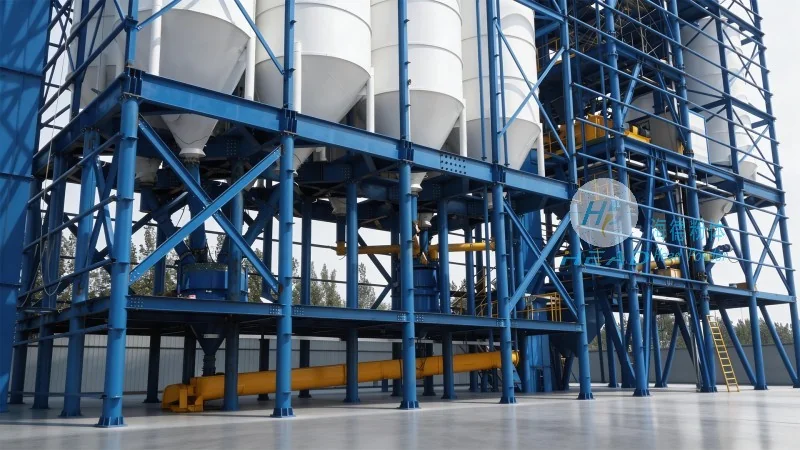
Introduction to Polyacrylamide Pneumatic Conveying Systems
Polyacrylamide pneumatic conveying systems are designed to transport fine powders or granules using air as the conveying medium. Unlike traditional mechanical systems, this method minimizes material degradation and reduces the risk of contamination. The system operates by creating a low-pressure or high-pressure air stream that pulls or pushes the material through a network of pipes. The polyacrylamide, often used as a conditioning agent or additive, enhances the flow characteristics of the material being conveyed, improving system efficiency and reducing blockages.
Core Components of the Pneumatic Conveying System
The polyacrylamide pneumatic conveying system consists of several critical components that work in tandem to achieve effective material transport. These components include:
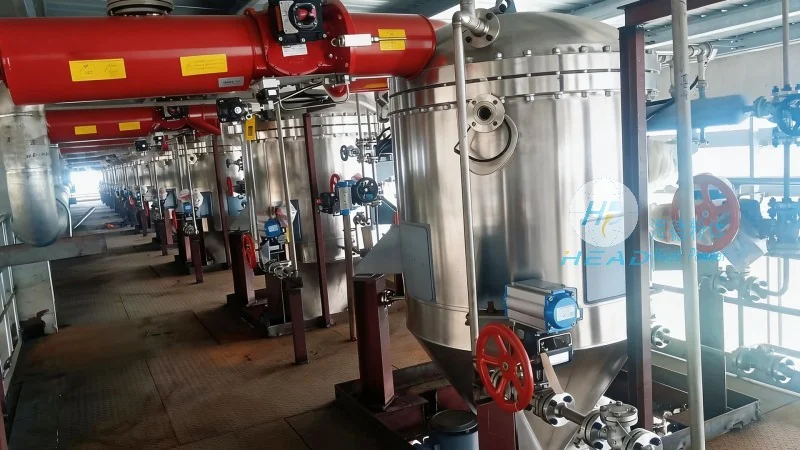
Air Supply Unit
The air supply unit is the heart of the system, responsible for generating the necessary airflow. It typically consists of a blower or fan that provides the pressure and volume required to move the material. The choice of equipment depends on the material characteristics, such as particle size, density, and moisture content, as well as the distance and layout of the conveying line. High-efficiency blowers are preferred to minimize energy consumption while maintaining sufficient air velocity to prevent material settling.
Material Handling and Conditioning Equipment
This component involves the equipment used to introduce and prepare the polyacrylamide and the material to be conveyed. It may include a hopper or feeder that meters the material into the system, often equipped with a rotary valve or screw feeder to control the flow rate. For polyacrylamide, a dosing system is integrated to ensure precise addition, as the polymer needs to be dissolved or mixed with the material before or during the conveying process. This conditioning step is crucial for improving the material's flowability and reducing dust generation.
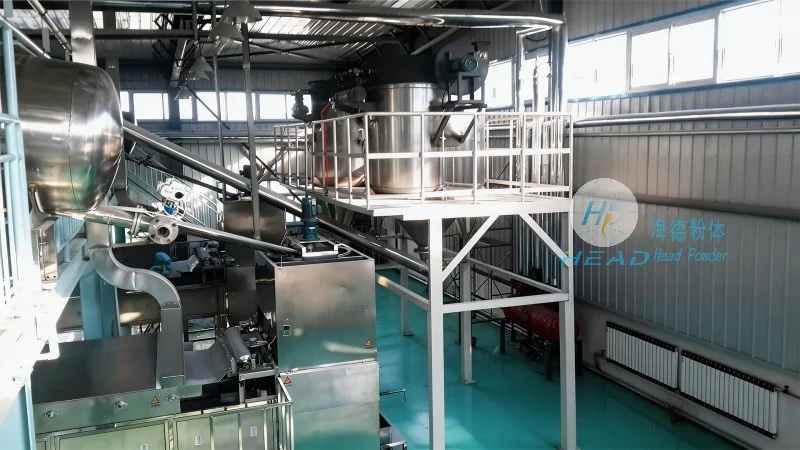
Conveying Pipeline
The pipeline is the pathway through which the material and air travel. It is usually made of stainless steel or other corrosion-resistant materials to withstand the effects of the conveyed material and the air stream. The design of the pipeline, including the diameter, length, and bends, is critical. Proper pipe sizing ensures that the air velocity remains within the optimal range to prevent material deposition and maintain consistent flow. Bends and fittings are strategically placed to minimize pressure losses and maintain the system's efficiency.
Separation and Collection System
At the receiving end of the conveying line, a separation system is necessary to separate the material from the air stream. This typically involves a cyclone separator or a baghouse filter. The cyclone uses centrifugal force to separate the heavier material particles from the air, while the filter captures fine dust particles. The separated material is then collected in a hopper or storage bin. The air, now clean, is either recirculated back into the system or discharged to the atmosphere, depending on the system design and environmental regulations.
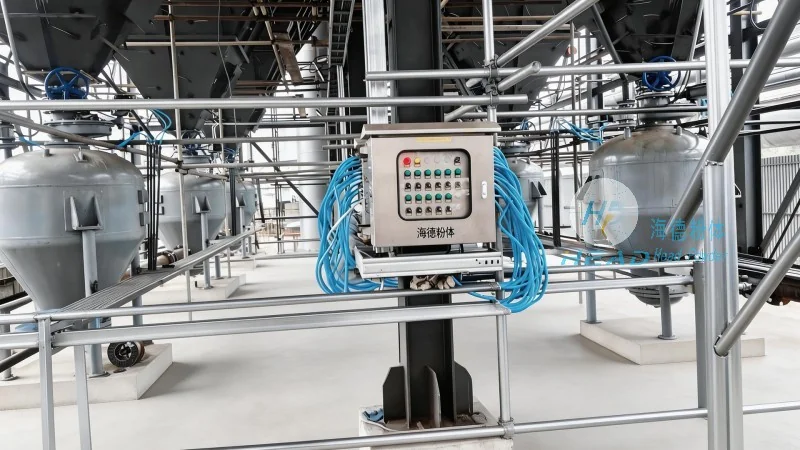
Role of Polyacrylamide in Pneumatic Conveying
Polyacrylamide plays a vital role in enhancing the performance of pneumatic conveying systems, particularly for materials that are difficult to handle. As a high-molecular-weight polymer, it acts as a flocculant or thickener, improving the material's viscosity and flow characteristics. By conditioning the material, polyacrylamide reduces the tendency of fine particles to agglomerate or settle, which can cause blockages in the pipeline. This results in smoother operation, lower maintenance requirements, and increased system reliability. Additionally, polyacrylamide can help reduce dust emissions, contributing to a cleaner working environment and compliance with environmental standards.
Company Overview: HeadPowder Engineering
Shandong HeadPowder Engineering Co., Ltd., based in China, is a leading manufacturer and supplier of polyacrylamide and related pneumatic conveying solutions. The company specializes in developing customized systems tailored to the specific needs of various industries, including water treatment, mining, and chemical processing. HeadPowder Engineering leverages advanced technology and extensive industry experience to provide high-quality polyacrylamide products and equipment that meet international standards. The company's commitment to innovation and customer satisfaction ensures that clients receive reliable, efficient, and cost-effective solutions for their material handling challenges.