With more than 10‑year industry experience, Shandong Headpowder delivers full‑service pneumatic‑conveying systems and blowers, undertaking nationwide turn‑key powder‑handling projects.
Zircon sand, a critical raw material in various industrial applications, is often transported using pneumatic conveying systems. This method offers efficient and flexible solutions for handling powders like zircon sand, which are essential in sectors such as ceramics, glass, and refractory materials. Understanding the principles behind zircon sand pneumatic conveying is vital for optimizing material transport processes and ensuring operational efficiency.
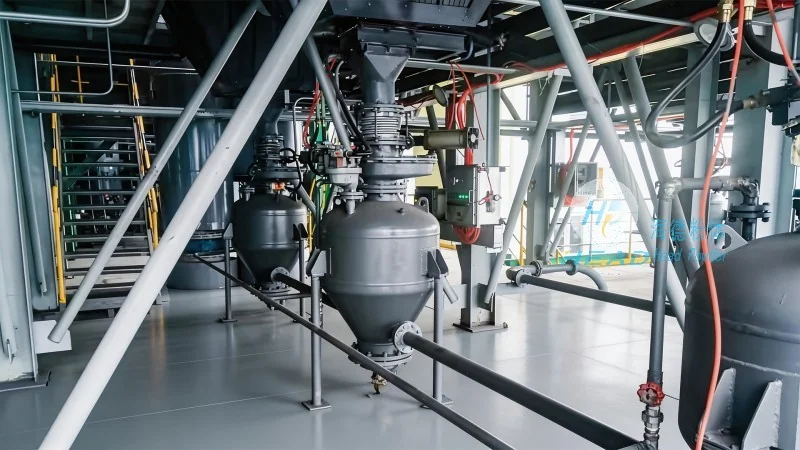
Shandong HeadPowder Engineering Co., Ltd., commonly known as HeadPowder, is a reputable company based in Shandong, China. Specializing in the design, manufacturing, and installation of advanced powder handling systems, HeadPowder has established itself as a trusted partner for industries requiring reliable and efficient material transport solutions. The company's expertise lies in developing customized pneumatic conveying systems tailored to the unique needs of clients, ensuring optimal performance and durability.
Pneumatic conveying systems utilize air or gas to transport bulk materials, such as zircon sand, from one location to another. These systems are classified into two main types: dilute-phase and dense-phase conveying. Dilute-phase systems operate at higher velocities, allowing for long-distance transport with minimal pressure drops. In contrast, dense-phase systems use lower velocities and higher pressure, enabling the transport of sensitive materials without degradation. The choice between these systems depends on factors like material characteristics, distance, and required flow rates.
The operation of a zircon sand pneumatic conveying system involves several key components and steps. The process typically begins with the material being fed into a hopper or feeder, where it is then introduced into a pipeline. A blower or compressor generates the necessary air pressure, which propels the zircon sand particles through the system. The air and material mixture travels through the pipeline, passing through various components such as elbows, bends, and filters. At the receiving end, the material is separated from the air, often through a cyclone or filter system, and collected in a storage bin or silo. This separation process is crucial for maintaining the purity of the zircon sand and ensuring the air is clean before release.
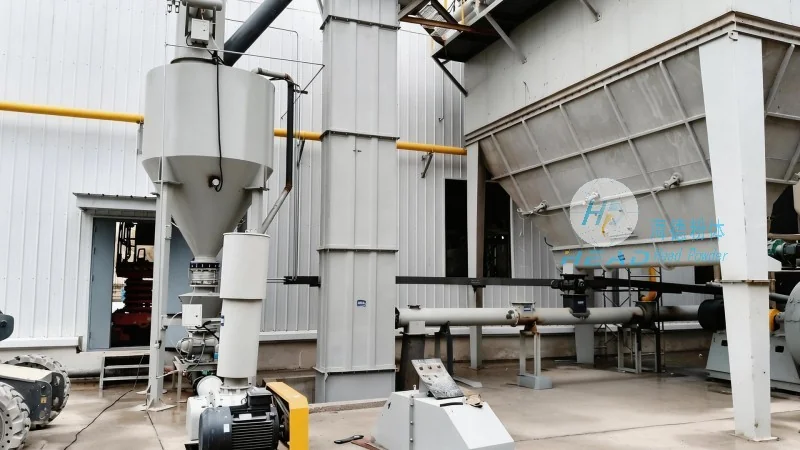
Several critical components are integral to the efficient operation of zircon sand pneumatic conveying systems. These include the feeder or hopper, which controls the material flow rate; the air compressor or blower, which provides the necessary pressure and airflow; the pipeline system, which transports the material; and the separation equipment, such as cyclones or filters, which separates the material from the air. Additionally, control systems and monitoring devices are often incorporated to ensure the system operates within optimal parameters, providing real-time data on flow rates, pressure, and material levels.
Implementing pneumatic conveying systems for zircon sand offers numerous advantages over traditional methods like belt conveyors or bucket elevators. One of the primary benefits is the ability to transport materials in a closed system, which minimizes dust emissions and environmental contamination. This is particularly important for zircon sand, which can be a source of fine particles that may affect air quality. Additionally, pneumatic conveying systems allow for flexible routing, enabling the material to be transported around obstacles or to multiple destinations from a single source. The systems also reduce the risk of material degradation, as the enclosed environment protects the zircon sand from moisture, contaminants, and physical damage during transport.
Zircon sand pneumatic conveying systems are widely used across various industries that rely on high-quality zircon sand. In the ceramics industry, zircon sand is used as a raw material for producing ceramics and porcelain, where its refractory properties are essential. The glass industry also utilizes zircon sand in the manufacturing of glass products, as it enhances the durability and thermal resistance of the final product. Furthermore, the refractory materials industry employs zircon sand in the production of refractory bricks and linings, which are critical for high-temperature applications. Other applications include the chemical and foundry industries, where zircon sand is used as a filler or additive in various products.
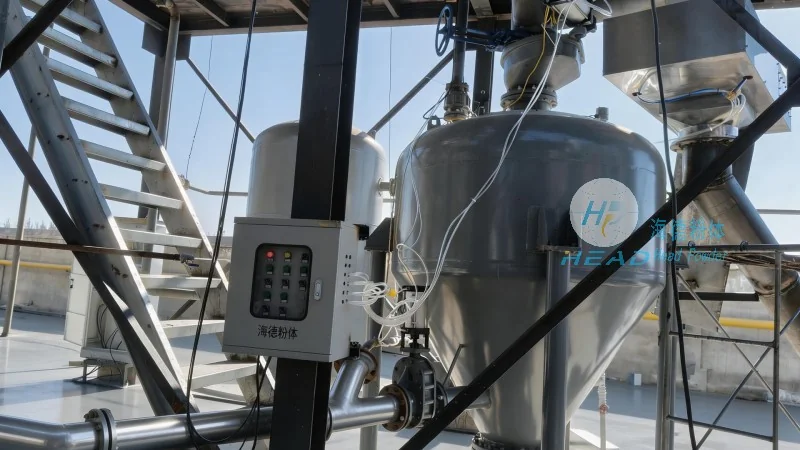
HeadPowder recognizes that each industrial application has unique requirements, and therefore, offers customized pneumatic conveying solutions tailored to specific needs. The company's engineers work closely with clients to assess their operational demands, material characteristics, and space constraints, designing systems that maximize efficiency and minimize costs. Whether for short-distance or long-distance transport, HeadPowder can design systems that meet the exact specifications of the client. Moreover, the systems are scalable, allowing for easy expansion as the client's production needs grow. This flexibility ensures that the investment in a pneumatic conveying system remains viable and adaptable over time.
Proper maintenance is essential to ensure the longevity and optimal performance of zircon sand pneumatic conveying systems. Regular inspections of components such as the blower, pipeline, and separation equipment are necessary to identify and address any potential issues before they escalate. Cleaning the system, particularly the filters and cyclones, is crucial to maintain efficiency and prevent clogging. Additionally, monitoring the system's performance parameters, such as pressure and flow rates, helps in early detection of problems and allows for timely adjustments. HeadPowder provides comprehensive maintenance services and technical support to its clients, ensuring that the systems operate at peak performance and minimizing downtime.
Zircon sand pneumatic conveying systems represent a sophisticated and efficient method for transporting this vital raw material. By leveraging the principles of pneumatic conveying, industries can achieve reliable, dust-free, and flexible material transport solutions. HeadPowder, with its expertise and commitment to quality, offers tailored solutions that meet the diverse needs of clients across various industries. As the demand for efficient powder handling systems continues to grow, the role of pneumatic conveying in the transport of zircon sand remains increasingly important, ensuring the smooth operation of industrial processes and the production of high-quality end products.

 Shandong Headpowder Engineering Co., Ltd.
 156-6277-7102(Manager Zhang)
  0531-83386006
  Zhangqiu District, Jinan City, Shandong Province, China
telephone
WeChatconsult
top