With more than 10‑year industry experience, Shandong Headpowder delivers full‑service pneumatic‑conveying systems and blowers, undertaking nationwide turn‑key powder‑handling projects.
Understanding the components of lithium fluoride pneumatic conveying systems is crucial for optimizing material handling processes in various industrial applications. This article provides a detailed overview of the key elements that constitute such systems, ensuring clarity and practical insights for professionals in the field.
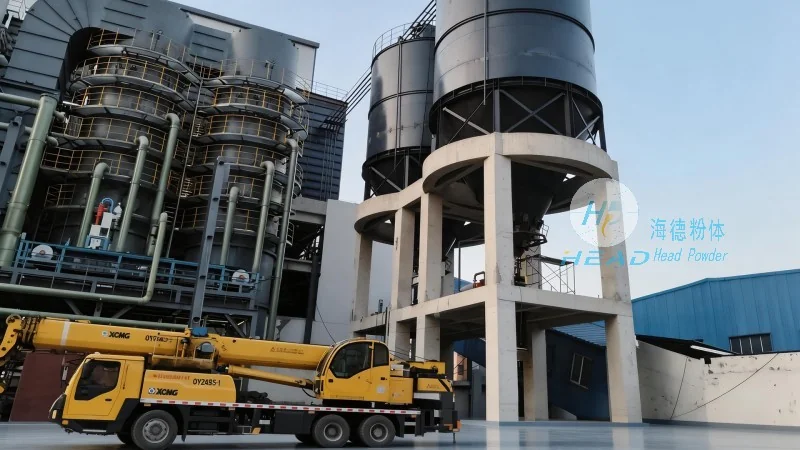
The lithium fluoride pneumatic conveying system typically consists of several essential components that work in tandem to achieve efficient material transport. These components are designed to handle the unique properties of lithium fluoride, such as its chemical reactivity and particle size characteristics. The primary components include the material feed system, conveying pipeline, air supply unit, and control mechanisms. Each of these elements plays a vital role in the overall functionality and performance of the system.
The material feed system is the initial stage of the lithium fluoride pneumatic conveying process. It is responsible for introducing the lithium fluoride material into the system in a controlled manner. This component often includes a hopper or a feeding hopper that holds the material and regulates its flow into the conveying line. The design of the feed system is critical to prevent material bridging or clogging, which can lead to system inefficiencies. For lithium fluoride, specialized feed hoppers with appropriate discharge mechanisms are employed to ensure smooth material introduction. The feed system may also incorporate level sensors and flow control valves to maintain consistent material feed rates, which is essential for stable conveying operations.
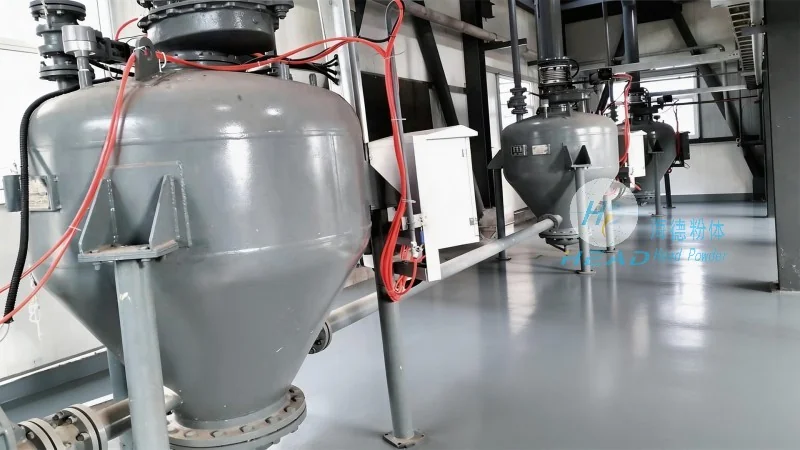
The conveying pipeline serves as the main pathway for transporting lithium fluoride particles through the pneumatic system. It is typically constructed from materials that are compatible with lithium fluoride, such as stainless steel or specialized plastic liners, to prevent chemical reactions and corrosion. The pipeline design considers factors like particle size, flow rate, and pressure drop to ensure optimal material transport. The pipeline may include bends, elbows, and straight sections, with each component carefully engineered to minimize pressure losses and maintain material velocity. For lithium fluoride, which can be abrasive, the pipeline is often lined with protective coatings or made from high-quality materials to extend its service life. The pipeline also features pressure sensors and flow meters to monitor the system's performance in real-time, allowing for adjustments to maintain efficient operation.
The air supply unit is a critical component that generates the necessary airflow to move lithium fluoride particles through the conveying pipeline. It typically consists of a blower or a compressor that provides the required pressure and volume of air. The choice of air supply equipment depends on the system's capacity and the specific characteristics of lithium fluoride, such as its density and particle size. For lithium fluoride, which may require higher airflow rates due to its properties, a high-efficiency blower is often used. The air supply unit is equipped with filters to remove contaminants and ensure clean air, as any impurities can affect the material quality and system performance. Additionally, the unit may include pressure regulators and safety valves to maintain stable air pressure and prevent over-pressurization, which is crucial for the safe operation of the system.
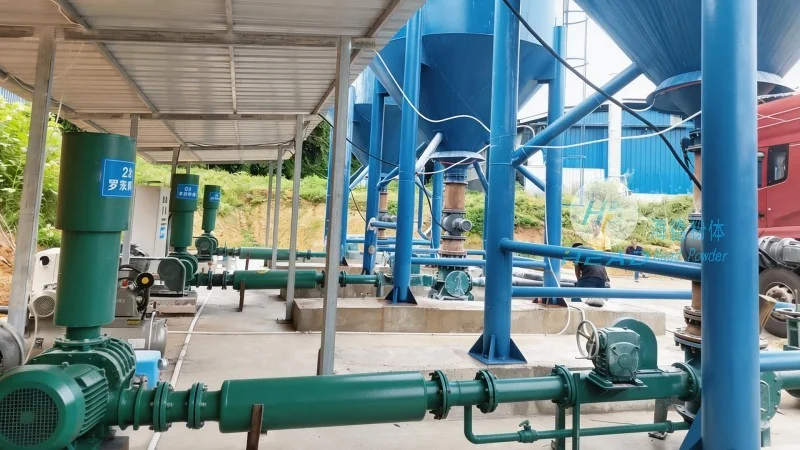
The control mechanisms in a lithium fluoride pneumatic conveying system are responsible for managing the entire process, from material feeding to air supply and conveying. These systems typically include programmable logic controllers (PLCs) or automated control panels that monitor and adjust various parameters in real-time. The control mechanisms regulate the feed rate, air pressure, and flow velocity to maintain optimal conditions for lithium fluoride transport. They may also include alarm systems that alert operators to any deviations or issues, such as low material levels or abnormal pressure changes. For lithium fluoride, which can be sensitive to temperature and moisture, the control system may incorporate temperature and humidity sensors to ensure the material remains in its desired state during transport. The control mechanisms are designed to enhance system efficiency, reduce downtime, and improve overall operational reliability.
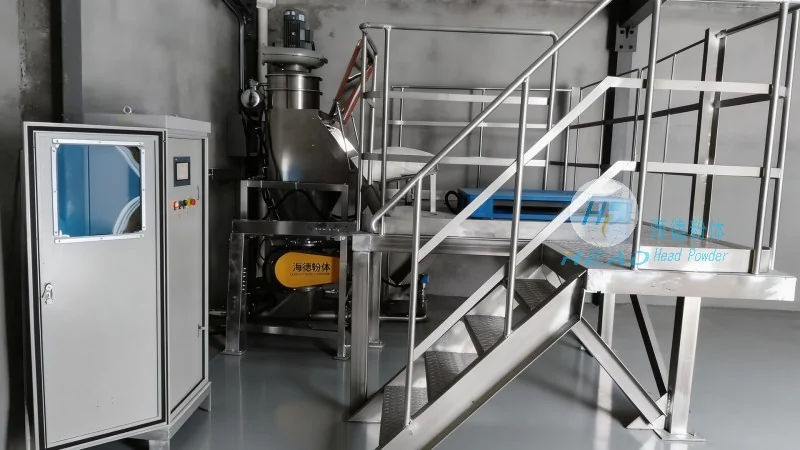
Beyond the primary components, lithium fluoride pneumatic conveying systems may include additional elements to enhance performance and safety. These can include dust collection systems to capture any airborne particles, which is important for maintaining a clean environment and complying with safety regulations. The system may also feature cleaning mechanisms, such as pulse jets or manual cleaning ports, to remove material buildup from the pipeline and prevent blockages. For lithium fluoride, which can be hazardous if inhaled or ingested, proper ventilation and filtration are essential to protect personnel. The system design also considers the need for regular maintenance and inspection to ensure long-term reliability. Components like check valves and isolation valves are included to control the flow direction and allow for system maintenance without disrupting operations. The integration of these additional components ensures that the lithium fluoride pneumatic conveying system operates safely and efficiently.
In summary, the components of lithium fluoride pneumatic conveying systems are carefully selected and engineered to handle the unique properties of lithium fluoride. From the material feed system to the air supply unit and control mechanisms, each component plays a vital role in achieving efficient and reliable material transport. Understanding these components and their functions is essential for optimizing system performance and ensuring safe operation. For industries dealing with lithium fluoride, investing in a well-designed pneumatic conveying system can lead to improved productivity, reduced downtime, and enhanced safety. The expertise of companies like Shandong HeadPowder Engineering Co., Ltd. in this field can provide valuable insights and solutions for effective lithium fluoride handling.

 Shandong Headpowder Engineering Co., Ltd.
 156-6277-7102(Manager Zhang)
  0531-83386006
  Zhangqiu District, Jinan City, Shandong Province, China
telephone
WeChatconsult
top