

Working Principle and Characteristics of Pharmaceutical Powder Pneumatic Conveying
Pharmaceutical powder pneumatic conveying is a critical technology in the pharmaceutical industry, designed to transport powders and granules safely and efficiently. This method involves using air or gas to move materials through a pipeline system, offering numerous advantages over traditional mechanical conveying methods. The following sections will explore the working principle and key characteristics of this technology, with a focus on its application in pharmaceutical manufacturing.
Working Principle of Pharmaceutical Powder Pneumatic Conveying
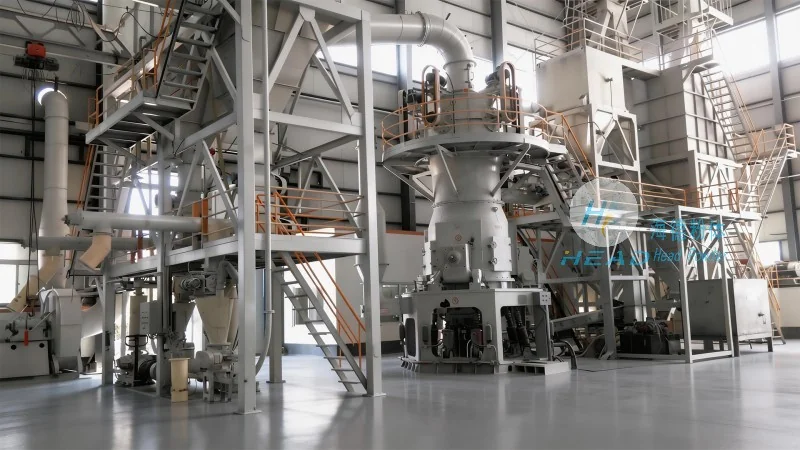
The core mechanism of pharmaceutical powder pneumatic conveying relies on the generation of a pressure differential or a vacuum to create airflow within a closed pipeline. This airflow then propels the powder particles through the system. There are two primary modes of operation: pressure conveying and vacuum conveying. In pressure conveying, a positive pressure is maintained at the conveying point, typically using a blower or compressor to force air and powder through the pipeline. Conversely, vacuum conveying uses a vacuum pump to create a negative pressure at the inlet, drawing the powder into the system. The choice between these modes depends on factors such as the distance to be covered, the material's properties, and the required throughput. The system typically includes components like a hopper for material storage, a feeder to control the flow rate, a conveying line, and a receiver to collect the material at the destination. The feeder, often a rotary valve or a star feeder, ensures a consistent flow of powder into the pipeline, preventing blockages and maintaining system efficiency. The conveying line may include fittings, bends, and filters to ensure the material is transported without degradation or contamination. The receiver is designed to separate the powder from the air, often using a cyclone separator or a bag filter, to prevent dust and ensure product purity.
Key Characteristics of Pharmaceutical Powder Pneumatic Conveying
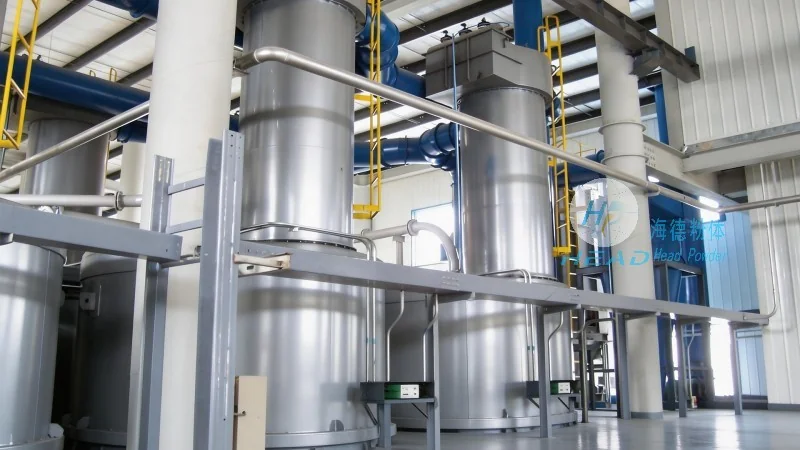
Pharmaceutical powder pneumatic conveying systems exhibit several distinct characteristics that make them suitable for sensitive applications. First, the system is fully enclosed, which minimizes the risk of cross-contamination and dust exposure, a critical requirement in pharmaceutical manufacturing. This enclosed design also helps maintain a controlled environment, ensuring that the powder remains free from external contaminants. Second, the technology offers high flexibility in terms of layout and integration with other equipment. The pipeline can be arranged in various configurations, allowing for complex material flow paths without the need for extensive mechanical components. This flexibility is particularly valuable in pharmaceutical plants where space is limited or where multiple production lines need to be connected. Third, pneumatic conveying systems provide excellent control over the material flow rate and pressure, enabling precise dosing and consistent product quality. The ability to adjust the airflow and pressure allows operators to optimize the conveying process for different powder types, ensuring that each batch is handled with the same level of precision. Fourth, the system is generally low in maintenance compared to mechanical conveying systems. Since there are no moving parts in direct contact with the powder (except for the feeder), the risk of wear and tear is reduced. This leads to lower operational costs and longer system lifespans. Additionally, the enclosed nature of the system simplifies cleaning and maintenance procedures, as the entire pipeline can be easily disassembled and sanitized to meet regulatory standards.
Company Introduction: Shandong HeadPowder Engineering Co., Ltd.
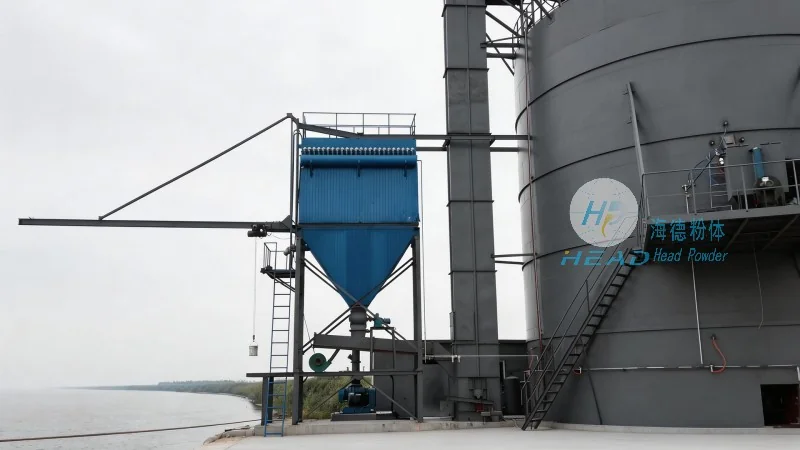
Shandong HeadPowder Engineering Co., Ltd., commonly known as HeadPowder, is a leading manufacturer specializing in the design, development, and installation of pharmaceutical powder handling systems. With a strong focus on quality and compliance, HeadPowder provides comprehensive solutions tailored to the unique needs of the pharmaceutical industry. The company's expertise lies in the integration of advanced pneumatic conveying technologies with regulatory requirements, ensuring that every system meets or exceeds industry standards. HeadPowder's team of engineers and technicians work closely with clients to understand their specific production challenges and develop customized solutions that enhance efficiency, safety, and product quality. The company's facilities are equipped with state-of-the-art equipment and adhere to strict quality control measures, guaranteeing that each product is reliable and durable. HeadPowder's commitment to innovation and customer satisfaction has established it as a trusted partner in the pharmaceutical manufacturing sector, delivering high-performance powder handling systems that support the production of safe and effective medications.
Application in Pharmaceutical Manufacturing
Pharmaceutical powder pneumatic conveying is widely used in various stages of pharmaceutical manufacturing, from raw material handling to final product packaging. In the raw material stage, the system efficiently transports raw powders and excipients from storage silos to production lines, ensuring a continuous and controlled supply. During the manufacturing process, it is used to convey active pharmaceutical ingredients (APIs), excipients, and intermediates between different processing units, such as mixing, granulation, and tableting. The enclosed nature of the system prevents contamination and cross-contamination, which is crucial when handling multiple products or sensitive materials. In the final stages, the system transports finished products from the production line to packaging areas, maintaining product integrity and preventing dust exposure. The ability to handle a wide range of powder properties, including different particle sizes, densities, and flow characteristics, makes pneumatic conveying a versatile solution for diverse pharmaceutical applications. By integrating with other manufacturing equipment, such as mixers and compressors, the system contributes to a streamlined production process, reducing downtime and improving overall operational efficiency.
Advantages and Considerations
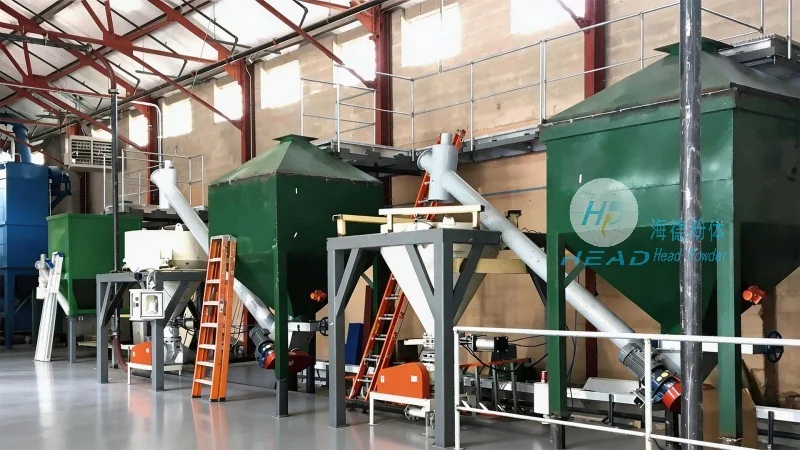
While pharmaceutical powder pneumatic conveying offers significant benefits, it also comes with certain considerations that must be addressed. One of the primary advantages is the ability to handle a wide variety of powder types, including fine powders and cohesive materials, which are difficult to convey using mechanical methods. The enclosed system also provides better control over the material's temperature and moisture content, preventing degradation and ensuring product stability. However, the system requires careful design to prevent blockages and ensure consistent airflow. The choice of conveying mode (pressure or vacuum) and the selection of appropriate components, such as feeders and filters, are critical to the system's performance. Additionally, the system's energy consumption must be managed to ensure cost-effectiveness. Proper maintenance and regular cleaning are essential to prevent dust accumulation and maintain system efficiency. Despite these considerations, the benefits of pneumatic conveying in terms of safety, flexibility, and control make it a preferred choice for pharmaceutical manufacturers seeking to enhance their production processes.