With more than 10‑year industry experience, Shandong Headpowder delivers full‑service pneumatic‑conveying systems and blowers, undertaking nationwide turn‑key powder‑handling projects.
Corn kernels pneumatic conveying systems are integral to modern industrial operations, particularly in the agricultural and food processing sectors. These systems utilize air as the primary medium to transport corn kernels from one location to another, offering a flexible and efficient method for material handling. Understanding the key components that constitute such a system is essential for optimizing performance, ensuring reliability, and maintaining operational efficiency in corn processing facilities.
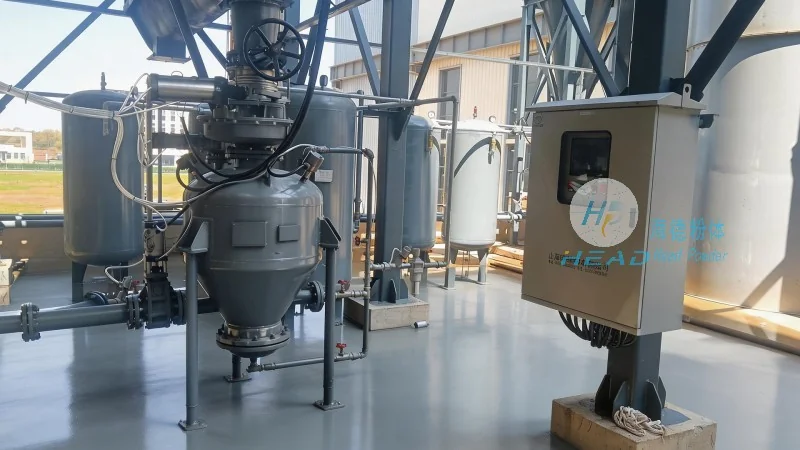
The fundamental components of a corn kernels pneumatic conveying system include the hopper, feeder, airlock, conveying line, and receiver. Each component is meticulously designed to work in concert, facilitating the smooth and continuous movement of corn kernels through the system.
The hopper serves as the initial storage and feeding unit, where corn kernels are loaded and stored before being conveyed. It is engineered to hold a sufficient quantity of material to support continuous operation, minimizing downtime caused by material replenishment. The feeder, typically a rotary valve or a screw feeder, regulates the flow of corn kernels from the hopper into the conveying line. This component is critical for controlling the discharge rate, which directly influences the air velocity and pressure within the system, ensuring consistent material transport.

The airlock acts as a transition point between the hopper and the conveying line, preventing backflow of air and ensuring that only the material passes through. It is usually a rotary airlock or a slide valve, designed to isolate the high-pressure air system from the hopper. The conveying line, constructed from stainless steel or other corrosion-resistant materials, transports the corn kernels along with the air stream. The line's diameter and length are carefully selected based on the material's characteristics and the required conveying distance, optimizing the system's capacity and efficiency.
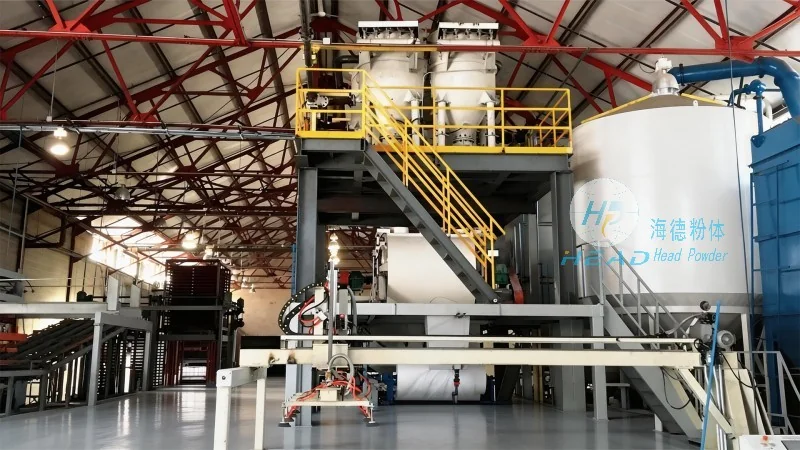
The receiver is the final destination where the corn kernels are deposited. It is designed to collect the material and may include a discharge valve or a conveyor for further processing. The receiver's design ensures that the material is contained and can be easily accessed for downstream operations, maintaining a clean and organized workspace.
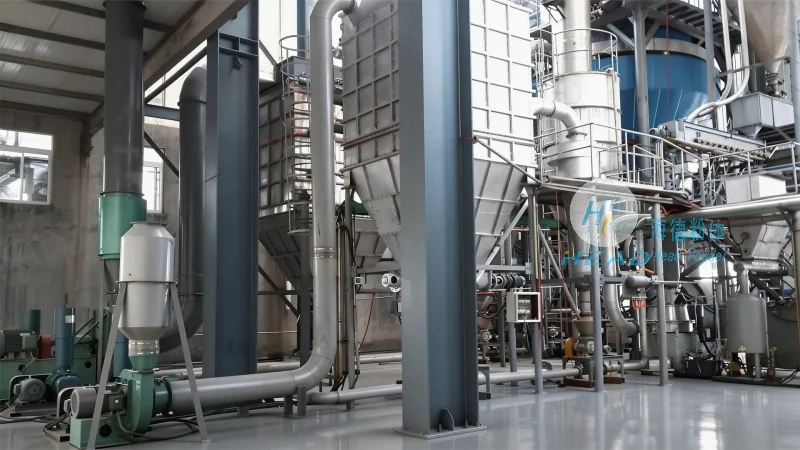
Air is the driving force behind corn kernels pneumatic conveying systems. The air velocity and pressure are precisely controlled to ensure that the corn kernels are carried along the conveying line without causing excessive wear or degradation. The air flow is generated by a blower or a fan, which provides the necessary force to move the material. The design of the air system, including the blower size and the air distribution within the line, directly impacts the system's efficiency and capacity. Proper air management is crucial for maintaining optimal conveying conditions and preventing issues such as material blockages or pressure drops.
Designing a corn kernels pneumatic conveying system requires careful consideration of the material's physical properties. Corn kernels have specific characteristics, including size, shape, density, and moisture content, which affect their conveying behavior. The system must be optimized to handle these properties effectively, ensuring smooth flow and preventing issues like clogging or excessive pressure buildup. Additionally, the material's potential for dust generation is a critical factor, as it can impact air quality and the overall performance of the system. Proper filtration and air management are essential to maintain a clean and safe operating environment.

 Shandong Headpowder Engineering Co., Ltd.
 156-6277-7102(Manager Zhang)
  0531-83386006
  Zhangqiu District, Jinan City, Shandong Province, China
telephone
WeChatconsult
top