With more than 10‑year industry experience, Shandong Headpowder delivers full‑service pneumatic‑conveying systems and blowers, undertaking nationwide turn‑key powder‑handling projects.
Understanding inert gas circulation material handling is crucial for industries that require safe and efficient handling of materials in environments where oxygen-sensitive processes are critical. This technology involves the use of inert gases, such as nitrogen or argon, to create a protective atmosphere that prevents oxidation or combustion during material transport and processing. The design principles of inert gas circulation systems are centered on maintaining a stable, low-oxygen environment while ensuring effective material movement and system efficiency.
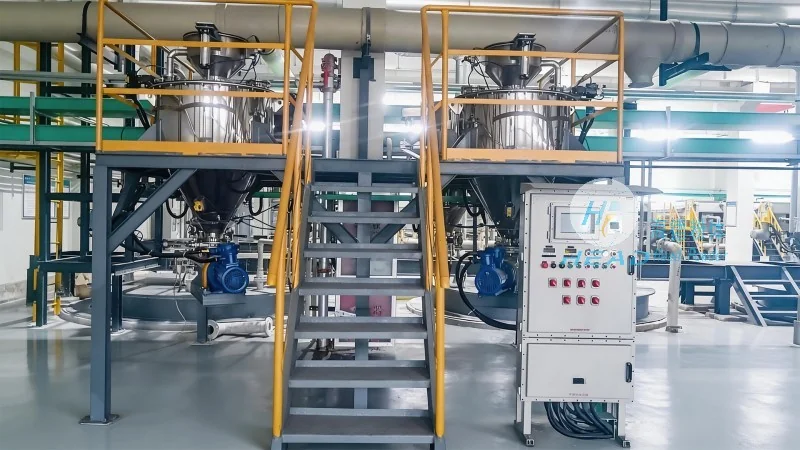
At its essence, inert gas circulation material handling refers to the process of transporting bulk materials, like powders or granules, within a closed system that is continuously flushed with an inert gas. The primary goal is to eliminate oxygen from the system, thereby reducing the risk of fire, explosion, or material degradation. This method is widely used in industries including pharmaceuticals, food processing, and chemical manufacturing, where product purity and safety are paramount.
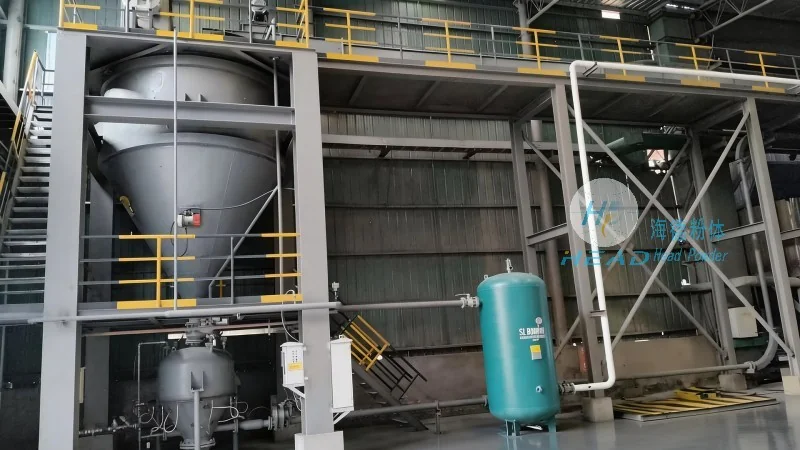
The design of an inert gas circulation system follows several key principles to ensure optimal performance and safety. First, the system must maintain a consistent gas flow rate to prevent oxygen ingress. This is typically achieved through a combination of gas supply, filtration, and circulation fans or pumps. Second, the system must include proper material handling equipment, such as screw conveyors, pneumatic transport lines, or bucket elevators, that are compatible with the inert gas environment. Third, the system design must incorporate gas monitoring and control mechanisms, such as oxygen sensors and automatic gas valves, to maintain the desired low-oxygen levels. Additionally, the system must be constructed from materials that are resistant to corrosion and compatible with the inert gas, ensuring long-term durability and reliability.
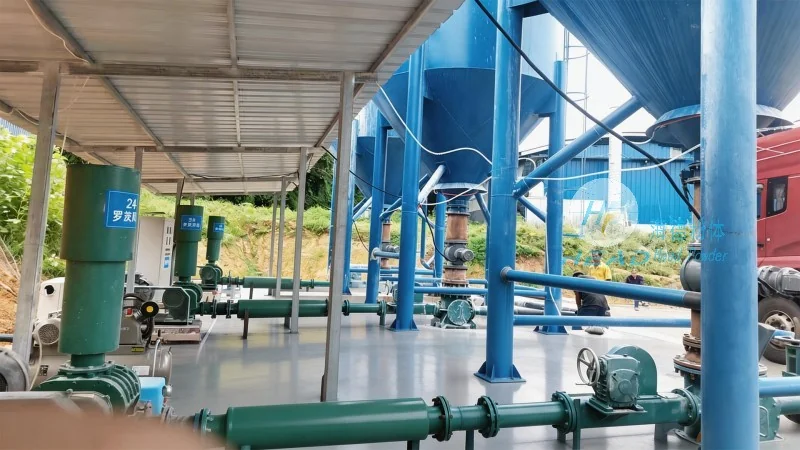
An effective inert gas circulation system consists of several critical components that work in tandem to achieve the desired results. The primary components include an inert gas supply source, typically a nitrogen generator or cylinder, which provides the gas needed to flush the system. Next, gas filtration units are used to remove contaminants from the gas, ensuring a clean and dry atmosphere. The circulation fan or blower is responsible for moving the gas through the system, maintaining the necessary flow rate. Material handling equipment, such as screw conveyors or pneumatic transport lines, are integrated into the system to transport the bulk material. Finally, gas monitoring devices, including oxygen sensors and pressure gauges, are installed to continuously monitor the system's performance and alert operators to any deviations from the set parameters.
Inert gas circulation material handling offers numerous benefits across various industries. In the pharmaceutical sector, it helps maintain product purity by preventing contamination from oxygen or moisture. In food processing, it ensures food safety by eliminating the risk of spoilage or fire. In chemical manufacturing, it enhances process safety by reducing the likelihood of explosions or reactions with oxygen. Additionally, this technology improves material handling efficiency by allowing continuous, unattended operation, which reduces labor costs and increases production throughput. The design principles of these systems also contribute to energy efficiency, as the closed-loop system minimizes gas waste and optimizes energy consumption.
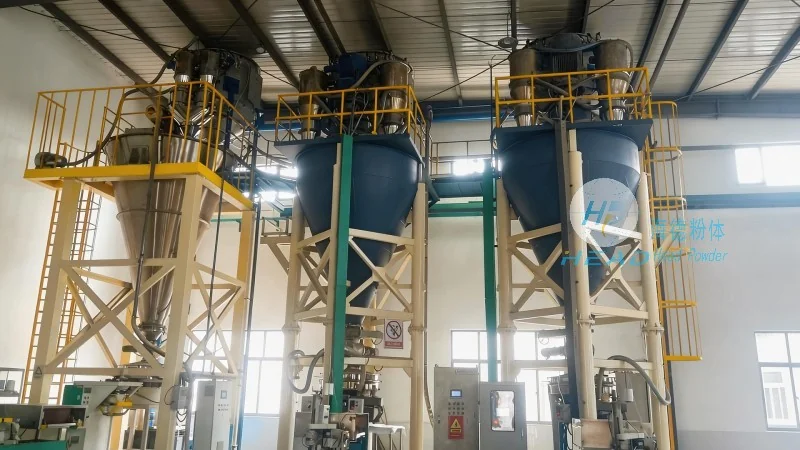
Shandong HeadPowder Engineering Co., Ltd., commonly known as HeadPowder, is a leading provider of inert gas circulation material handling solutions. With a strong presence in China, particularly in Shandong, the company specializes in designing, manufacturing, and installing custom inert gas circulation systems tailored to the specific needs of its clients. HeadPowder's expertise lies in understanding the unique challenges of each industry and developing solutions that meet both safety and operational requirements. The company's team of engineers and technicians work closely with clients to assess their material handling needs, select the appropriate inert gas, and design a system that maximizes efficiency and reliability. By leveraging advanced technology and rigorous quality control, HeadPowder ensures that its systems are built to the highest standards, providing long-term performance and peace of mind to its customers.

 Shandong Headpowder Engineering Co., Ltd.
 156-6277-7102(Manager Zhang)
  0531-83386006
  Zhangqiu District, Jinan City, Shandong Province, China
telephone
WeChatconsult
top