With more than 10‑year industry experience, Shandong Headpowder delivers full‑service pneumatic‑conveying systems and blowers, undertaking nationwide turn‑key powder‑handling projects.
Understanding powder material conveying is essential for industries that handle bulk solid materials, such as minerals, chemicals, and food products. This process involves the movement of loose, granular, or fine materials from one location to another, often requiring specialized equipment to ensure efficiency, safety, and minimal material degradation. The design principles behind these systems are critical to optimizing performance, reducing operational costs, and ensuring compliance with industry standards.
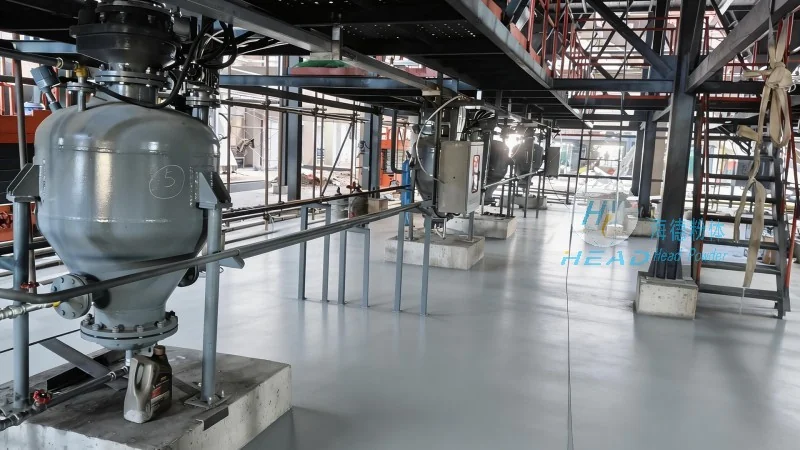
Powder material conveying, also known as bulk material handling, refers to the technology and methods used to transport dry, free-flowing materials. These materials can range from fine powders like cement or flour to larger granules like coal or sand. The primary goal of such systems is to move these materials efficiently from storage or processing areas to points of use, such as production lines, storage silos, or packaging facilities. The effectiveness of a conveying system depends heavily on the design, which must account for the physical properties of the material, including its density, flowability, and particle size distribution.
HeadPowder, a leading provider in the field of bulk material handling solutions, is dedicated to delivering innovative and reliable conveying systems. With a strong presence in China, particularly in Shandong, the company specializes in designing, manufacturing, and installing equipment tailored to the unique needs of various industries. The company’s headquarters and operational base are located in Shandong, China, where it leverages local expertise and resources to serve clients globally. HeadPowder’s commitment to quality and customer satisfaction has established it as a trusted partner for businesses seeking efficient and sustainable material handling solutions.
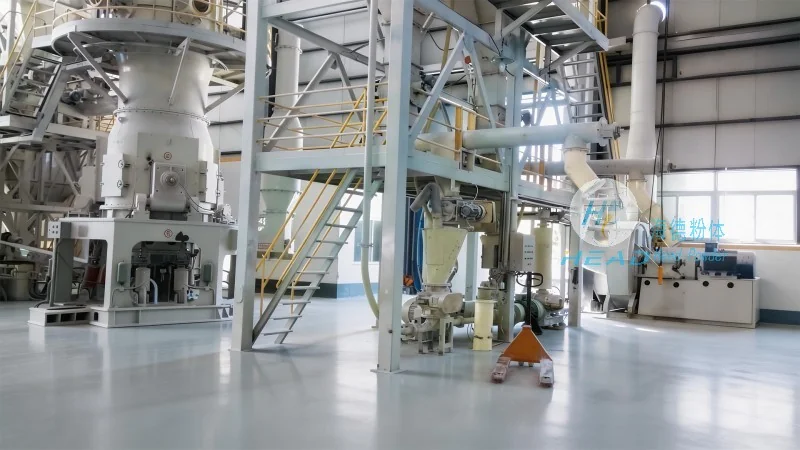
The design of a powder material conveying system is a complex process that involves careful consideration of several key factors. The first principle is material characterization, which involves analyzing the physical properties of the powder to determine its flow behavior, such as angle of repose, compressibility, and cohesion. This information is crucial for selecting the appropriate type of conveyor, as different materials may require different handling methods. For example, cohesive powders may need to be handled with pneumatic conveyors or screw conveyors that can maintain consistent flow, while free-flowing materials may be suitable for belt conveyors or bucket elevators.
Another critical design principle is the selection of the conveying method. Common types of powder conveyors include pneumatic systems, which use air to transport materials through pipes, and mechanical systems, such as screw, belt, and chain conveyors. Pneumatic conveyors are ideal for fine powders and can handle long distances and multiple transfers, while mechanical conveyors are often more cost-effective for bulk materials and can handle larger quantities with less energy consumption. The choice of method depends on factors like material properties, distance, and budget constraints.
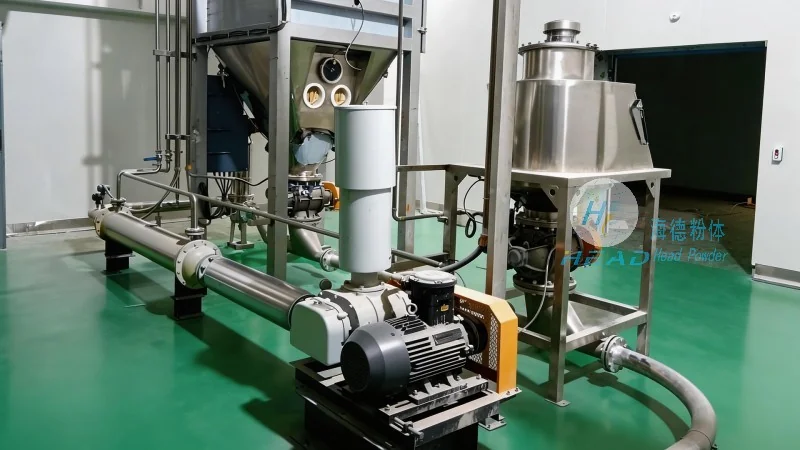
System integration is another essential design principle. A well-designed conveying system must be integrated with other equipment, such as storage silos, feeders, and processing machinery, to create a seamless workflow. This integration ensures that materials are moved efficiently from one stage to the next without bottlenecks or delays. For instance, a screw conveyor may be integrated with a hopper to feed a mixer, or a pneumatic system may connect multiple storage silos to a production line. Proper integration requires careful planning to ensure that the system operates smoothly and meets the production requirements.
When designing a powder material conveying system, several key considerations must be addressed to ensure optimal performance. One of the most important is the prevention of material degradation. Powders can be sensitive to moisture, temperature, and air exposure, which can affect their quality and usability. Therefore, the design must include features such as sealed systems, temperature control, and moisture-proofing to protect the material during transport. For example, a pneumatic conveyor may use insulated pipes to maintain the temperature of the material, while a screw conveyor may have a closed housing to prevent dust and moisture from entering.
Another consideration is the maintenance and operational costs. A well-designed system should be easy to maintain and operate, with minimal downtime and low energy consumption. This can be achieved by selecting durable materials for the conveyor components, such as stainless steel or high-grade plastics, and using efficient motors and drives. Additionally, the system should be designed with accessibility in mind, allowing for easy inspection and repair of parts. For instance, a belt conveyor may have a removable cover to allow access to the drive system, or a screw conveyor may have a quick-release mechanism for cleaning the screw.
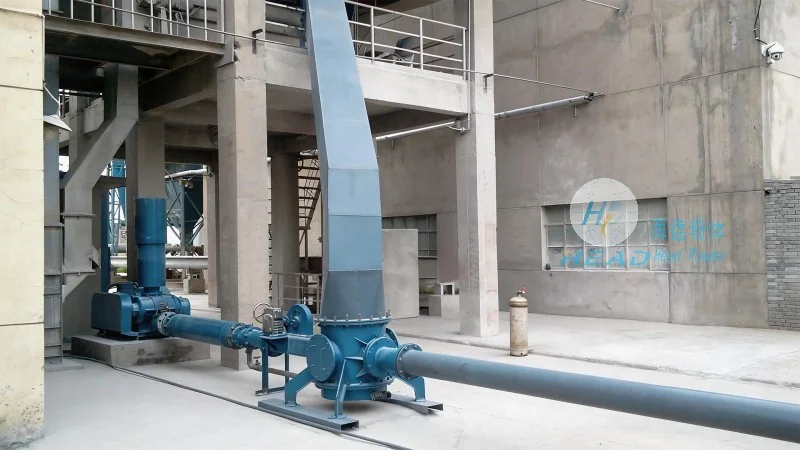
Compliance with safety and environmental regulations is also a critical design principle. Conveying systems must be designed to prevent dust explosions, which can be a significant hazard in industries handling powders. This involves using explosion-proof components, such as motors and electrical controls, and implementing dust suppression measures, such as wetting systems or inert gas purging. The system must also be designed to minimize environmental impact, such as reducing dust emissions and controlling noise levels. For example, a pneumatic conveyor may use a dust collector to capture and filter the exhaust air, while a belt conveyor may have a dust cover to prevent dust from escaping.
Powder material conveying is a vital process in many industries, and the design principles behind these systems are essential to ensuring efficiency, safety, and cost-effectiveness. By carefully considering material properties, conveying methods, system integration, and key considerations like material protection and operational costs, engineers can design systems that meet the specific needs of their clients. Companies like Shandong HeadPowder Engineering Co., Ltd. play a crucial role in providing these solutions, leveraging their expertise and experience to deliver reliable and innovative bulk material handling systems. As industries continue to evolve, the importance of efficient powder material conveying will only grow, making it a critical area of focus for businesses seeking to optimize their operations.

 Shandong Headpowder Engineering Co., Ltd.
 156-6277-7102(Manager Zhang)
  0531-83386006
  Zhangqiu District, Jinan City, Shandong Province, China
telephone
WeChatconsult
top