With more than 10‑year industry experience, Shandong Headpowder delivers full‑service pneumatic‑conveying systems and blowers, undertaking nationwide turn‑key powder‑handling projects.
Understanding the components of air-driven delivery systems for coated sand is crucial for optimizing industrial processes in foundries and related manufacturing sectors. The system's efficiency and reliability depend on a well-structured assembly of key elements that work in harmony to transport coated sand efficiently. This article explores the essential components that constitute such a system, providing insights into the technology behind the air-driven delivery of coated sand.
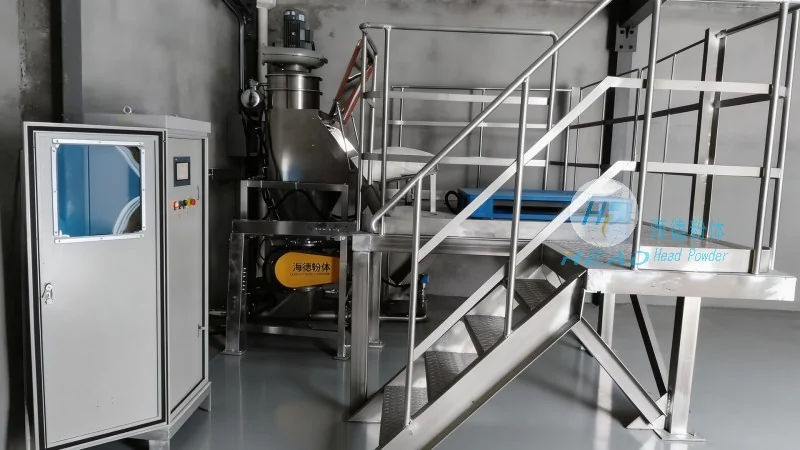
The air-driven delivery of coated sand typically consists of several interconnected components, each playing a vital role in the overall operation. These components are designed to ensure the smooth and consistent transport of coated sand from storage to the point of use, minimizing downtime and maximizing productivity. The primary components include:
The process begins with the storage and feeding equipment, which is responsible for holding and delivering the coated sand to the air delivery system. This component often includes a hopper or silo where the coated sand is stored, along with a feeder mechanism that regulates the flow of sand into the system. The feeder may be a rotary valve, a screw conveyor, or a vibratory feeder, depending on the specific requirements of the application. The storage and feeding equipment must be designed to handle the bulk density and flow characteristics of the coated sand, ensuring a consistent supply to the subsequent stages of the system.
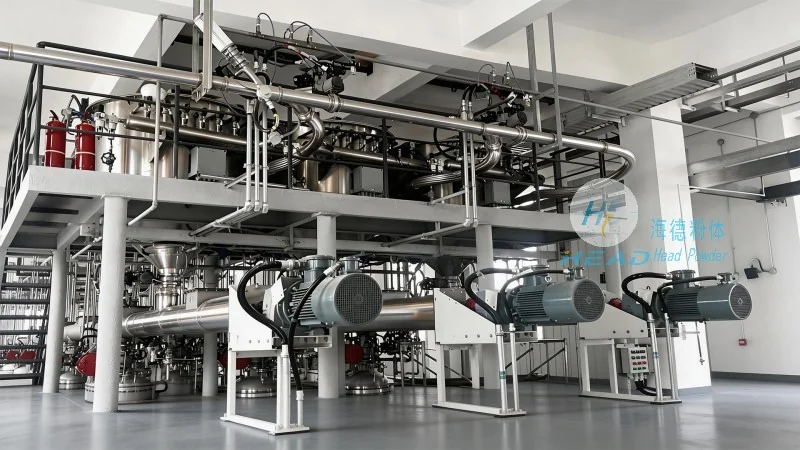
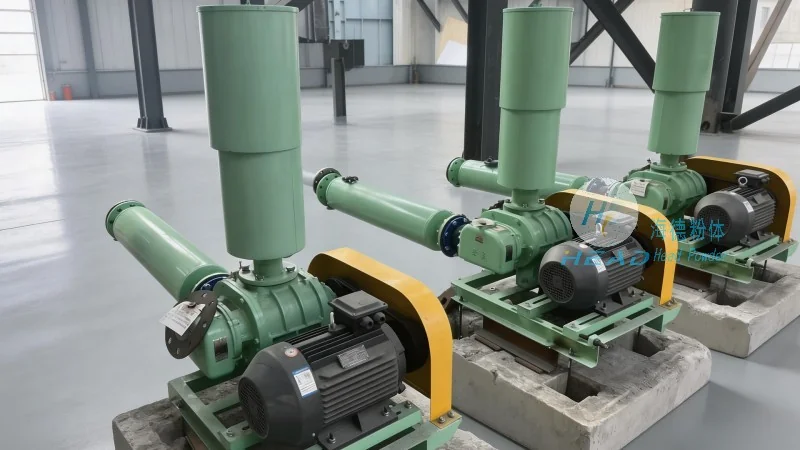
The heart of the air-driven delivery system is the air delivery unit, which provides the necessary pressure and airflow to transport the coated sand. This component can be a positive displacement pump, a rotary lobe blower, or a centrifugal fan, depending on the system's capacity and pressure requirements. The air delivery unit generates the airflow that carries the coated sand particles through the pipeline, ensuring that the material is transported efficiently without excessive pressure loss or particle degradation. The selection of the air delivery unit is critical, as it directly impacts the system's performance, energy consumption, and overall cost-effectiveness.
The transport pipeline and fittings form the conduit through which the coated sand is carried by the air stream. These components are typically made of durable materials such as stainless steel or PVC, chosen for their resistance to abrasion and corrosion from the coated sand. The pipeline is designed with appropriate diameters and lengths to minimize pressure drop and ensure the sand particles are transported at the desired velocity. Fittings such as elbows, tees, and reducers are used to direct the flow and connect different sections of the pipeline, allowing for flexible system configurations. Proper sizing and installation of the pipeline and fittings are essential to maintain the system's efficiency and prevent blockages or leaks.
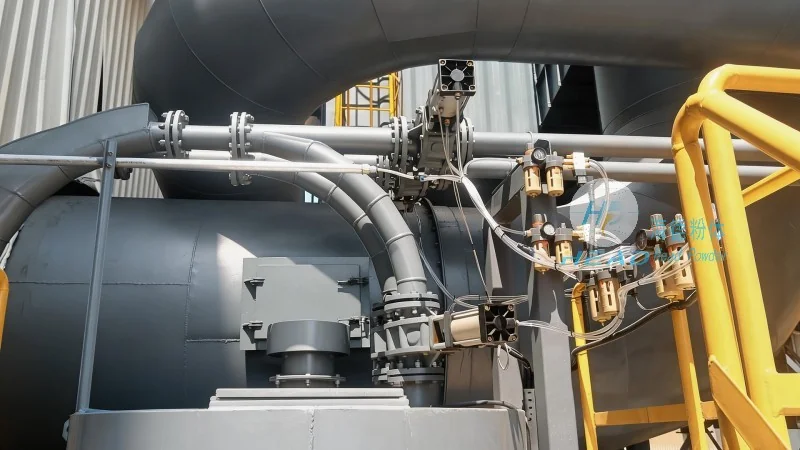
Control and monitoring systems are integral to the air-driven delivery of coated sand, enabling operators to manage and optimize the system's performance. These systems typically include pressure sensors, flow meters, and control valves that monitor the air pressure, flow rate, and sand delivery rate. The control system may also include a programmable logic controller (PLC) or a digital control panel that allows for automated operation and real-time adjustments. Additionally, safety features such as pressure relief valves and emergency shut-off mechanisms are incorporated to protect the system and personnel from potential hazards. The control and monitoring systems ensure that the air-driven delivery process operates within safe and efficient parameters, reducing the risk of accidents and improving overall system reliability.
Due to the nature of coated sand, dust generation is a common issue during the air-driven delivery process. To maintain a clean and safe working environment, dust collection and filtration systems are essential components. These systems typically include cyclone separators, baghouse filters, or cartridge filters that capture and remove the fine particles from the air stream. The collected dust is then returned to the storage hopper or disposed of according to regulatory requirements. Proper filtration is crucial to prevent dust accumulation in the pipeline, which can lead to blockages and reduced system efficiency. The dust collection and filtration system must be designed to handle the specific characteristics of the coated sand, ensuring effective dust removal and compliance with environmental regulations.
The final stage of the air-driven delivery system involves the delivery and discharge equipment, which directs the coated sand to its intended destination. This component may include a spray nozzle, a rotary valve, or a conveyor system that controls the flow of sand from the pipeline to the point of use. The delivery equipment is designed to ensure accurate and controlled discharge of the coated sand, minimizing waste and ensuring consistent application. For example, in foundry applications, the coated sand may be delivered to a molding machine or a sand mixing system, where it is used to create molds or cores. The delivery and discharge equipment must be compatible with the downstream processes and capable of handling the bulk density and flow characteristics of the coated sand.
Shandong HeadPowder Engineering Co., Ltd., operating under the brand name headpowder, specializes in the design, manufacturing, and supply of advanced air-driven delivery systems for coated sand. With a focus on innovation and quality, the company provides comprehensive solutions tailored to the specific needs of foundries and manufacturing industries. Headpowder's expertise in coated sand technology and air delivery systems ensures that their products are reliable, efficient, and cost-effective. The company's facilities are located in Shandong, China, where they leverage local resources and expertise to deliver high-quality products to global markets. By integrating the essential components discussed above, headpowder's air-driven delivery systems offer superior performance and durability, helping customers optimize their production processes and improve overall productivity.

 Shandong Headpowder Engineering Co., Ltd.
 156-6277-7102(Manager Zhang)
  0531-83386006
  Zhangqiu District, Jinan City, Shandong Province, China
telephone
WeChatconsult
top