With more than 10‑year industry experience, Shandong Headpowder delivers full‑service pneumatic‑conveying systems and blowers, undertaking nationwide turn‑key powder‑handling projects.
Glass-blasted beads pneumatic conveying systems represent an efficient and environmentally friendly material handling technology, widely used in the construction and chemical industries. These systems facilitate the transport of glass-blasted beads and similar granular materials from one location to another through the use of air power. To understand the operational principles of such systems, it is essential to identify their key components.
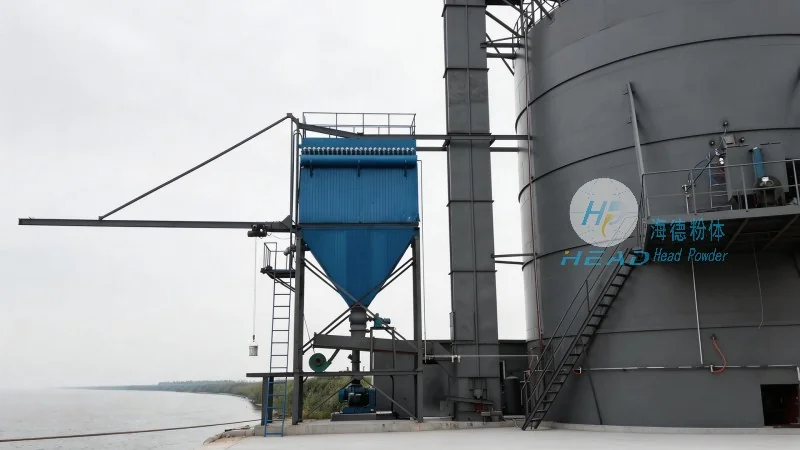
The gas source system serves as the driving force for glass-blasted beads pneumatic conveying systems, typically comprising blowers or compressors. These devices generate high or medium-pressure air to provide the necessary power for material transport. The selection of the gas source depends on factors such as the distance of transport, material characteristics, and system scale. For long-distance applications, higher-pressure gas source equipment may be required to ensure stable and continuous material transmission. Additionally, the gas source system may include air filters to remove impurities from the air, preventing blockages in the conveying pipes or compromising material quality.
Conveying pipes are the primary channels connecting the gas source system to the separation equipment, responsible for carrying glass-blasted beads. Depending on the system design, these pipes can take the form of straight pipes, bends, or variable-diameter pipes. The material of the pipes is typically stainless steel or plastic, chosen to accommodate the corrosion and wear characteristics of different materials. For glass-blasted beads, a lightweight and fragile material, the inner surface of the pipes must be kept smooth to minimize friction between the material and the pipe, avoiding material breakage. Furthermore, the pipe system may include valves, regulating valves, and other control elements to adjust air flow velocity and pressure, ensuring stable and controllable material transport.
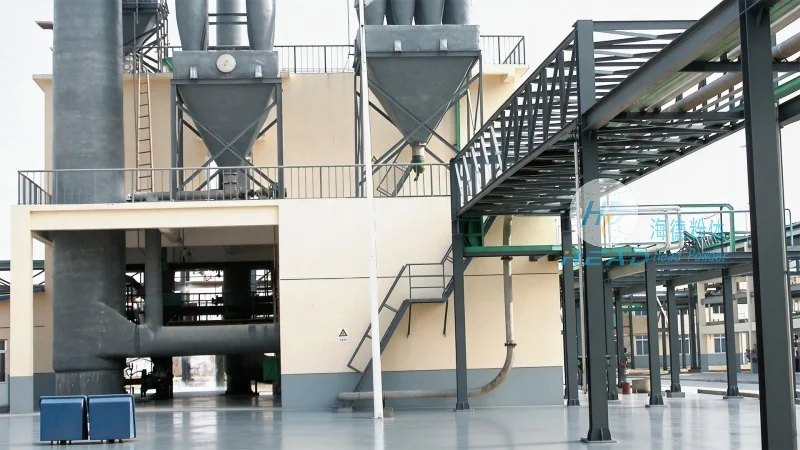
Separation equipment is a critical component of glass-blasted beads pneumatic conveying systems, responsible for separating the transported glass-blasted beads from the air. Common separation devices include cyclone separators, bag filters, or wet dust collectors. Cyclone separators utilize centrifugal force for separation, suitable for dry and non-adhesive materials. Bag filters use a filtering medium to trap material particles, ideal for high-precision separation applications. For glass-blasted beads, which are fine particles, the design of the separation equipment must consider their size and density to ensure high separation efficiency. After separation, the material is collected via the outlet, while the air is discharged through the exhaust system or treated and recycled.
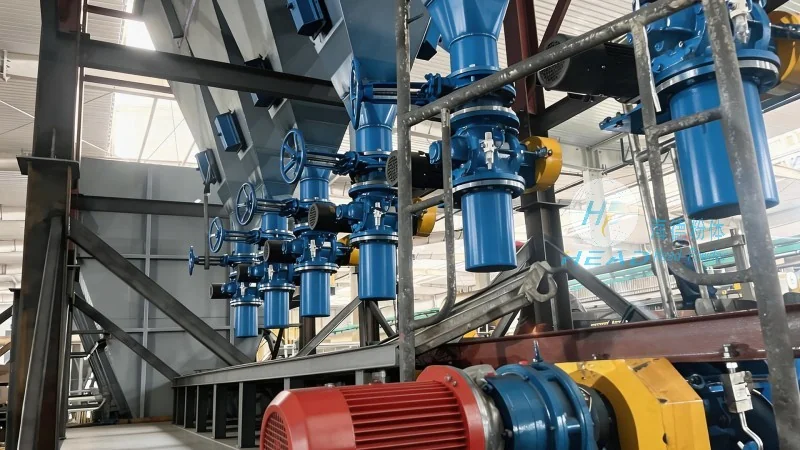
The control unit acts as the "brain" of the glass-blasted beads pneumatic conveying system, responsible for regulating and monitoring the entire system. It typically includes pressure sensors, flow meters, temperature sensors, and other detection devices, along with controllers and PLCs (Programmable Logic Controllers) for control. Through these devices, the system can monitor real-time parameters such as gas source pressure, conveying flow rate, and material temperature, adjusting gas source output, valve openings, and other settings based on preset parameters to maintain stable operation. The control unit may also be equipped with an alarm system to alert operators in case of abnormal pressure, flow fluctuations, or equipment failures. Modern glass-blasted beads pneumatic conveying systems may also integrate automated control systems for remote monitoring and operation, enhancing the system's intelligence level.
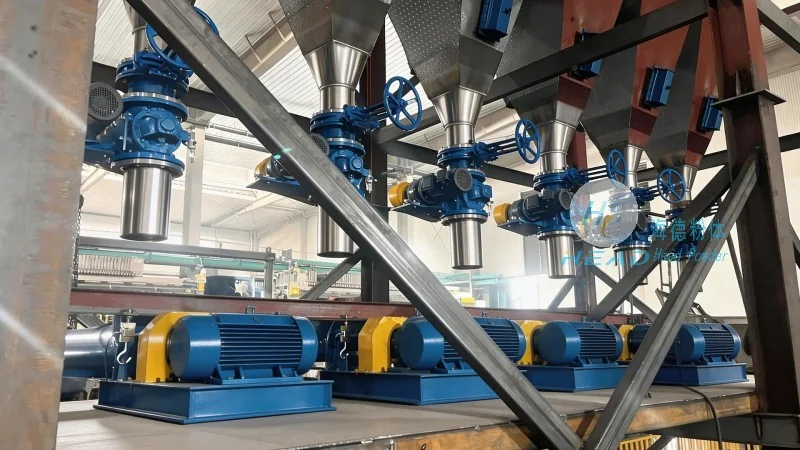
Besides the core components, glass-blasted beads pneumatic conveying systems may also be equipped with auxiliary equipment to enhance system functionality and ensure operational safety. For example, feeding equipment, such as screw feeders or vibratory feeders, is used to introduce glass-blasted beads into the conveying system, ensuring uniform and continuous material input. Additionally, the system may include storage tanks or buffer tanks to store material, preventing supply interruptions. For long-distance conveying applications, intermediate pressure stations may be required to supplement gas source pressure and ensure continuous material transport. Safety devices like pressure gauges and safety valves are also included to monitor system pressure and prevent overpressure accidents. Although these auxiliary devices are not core components, they are crucial for the system's normal operation and safety.
In summary, glass-blasted beads pneumatic conveying systems consist of gas source systems, conveying pipes, separation equipment, control units, and auxiliary equipment. Each component plays a specific role and works in concert to achieve efficient and stable transport of glass-blasted beads. By properly designing and configuring these components, the system can meet the needs of different application scenarios, improving material transport efficiency and quality. Shandong HeadPowder Engineering Co., Ltd. (referred to as headpowder), as a professional supplier of glass-blasted beads pneumatic conveying systems, is committed to providing customized system solutions that meet customer needs, ensuring reliable and economical material transport. The company is located in Shandong, China, with rich industry experience and a professional technical team, capable of designing, manufacturing, and installing customized glass-blasted beads pneumatic conveying systems according to specific customer requirements, helping clients enhance production efficiency and reduce operational costs.

 Shandong Headpowder Engineering Co., Ltd.
 156-6277-7102(Manager Zhang)
  0531-83386006
  Zhangqiu District, Jinan City, Shandong Province, China
telephone
WeChatconsult
top