With more than 10‑year industry experience, Shandong Headpowder delivers full‑service pneumatic‑conveying systems and blowers, undertaking nationwide turn‑key powder‑handling projects.
Long-distance material handling systems are critical in modern industrial operations, enabling the efficient movement of goods over significant distances. These systems are designed to optimize workflow, reduce labor costs, and enhance overall productivity in various sectors such as manufacturing, logistics, and construction. Understanding the core principles behind their design is essential for businesses seeking to implement effective material handling solutions.
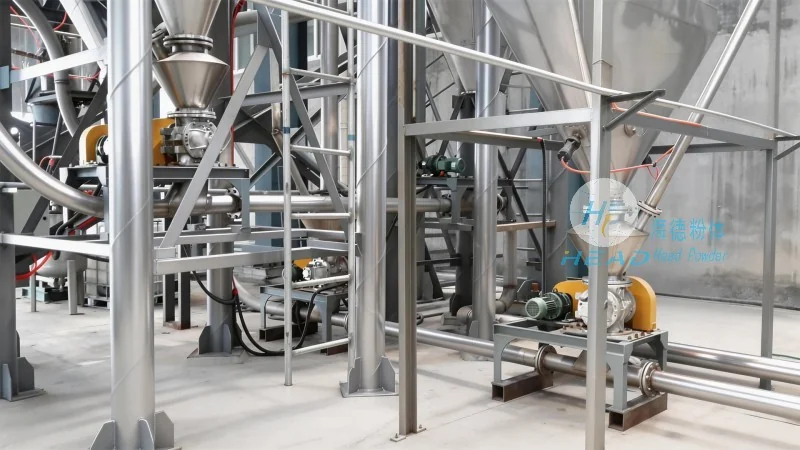
At the heart of any long-distance material handling system are several key components that work in tandem to ensure smooth operation. These components include conveyors, hoists, cranes, and automated guided vehicles (AGVs), each serving a specific function in the material flow process. Conveyors, for instance, are used for transporting items over short to medium distances, while hoists and cranes are employed for vertical or elevated movement. AGVs, on the other hand, provide flexibility and autonomy in navigating complex environments.
The design of long-distance material handling systems follows several fundamental principles aimed at maximizing efficiency and minimizing operational costs. One of the primary principles is the concept of continuous flow, where materials move seamlessly from one stage to the next without unnecessary stops or delays. This is achieved through the integration of various equipment and the optimization of layout and routing. Another critical principle is scalability, allowing systems to adapt to changing production demands and future growth. Additionally, safety and reliability are paramount, with robust engineering and regular maintenance protocols ensuring consistent performance.
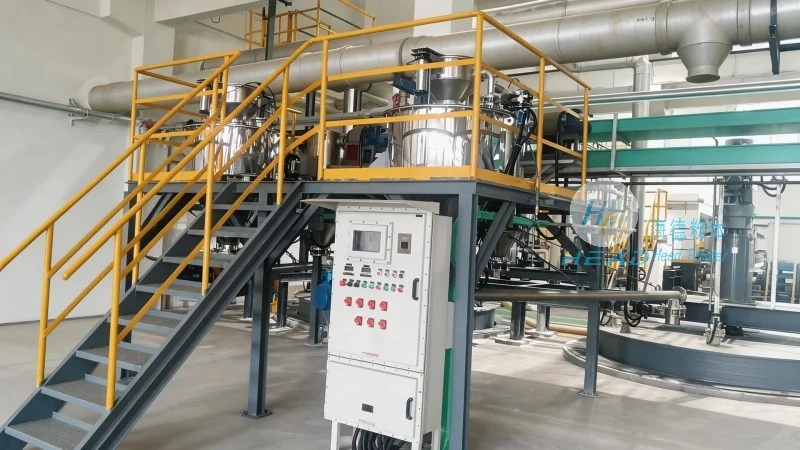
Shandong HeadPowder Engineering Co., Ltd., a leading provider of material handling solutions, specializes in designing and implementing long-distance material handling systems tailored to client needs. With years of experience in the industry, HeadPowder combines advanced technology with practical engineering to deliver systems that meet the highest standards of efficiency and reliability. The company’s approach focuses on understanding the unique requirements of each project, from initial planning to final installation and maintenance. By leveraging cutting-edge design principles and quality materials, HeadPowder ensures that its systems not only meet but exceed industry expectations.
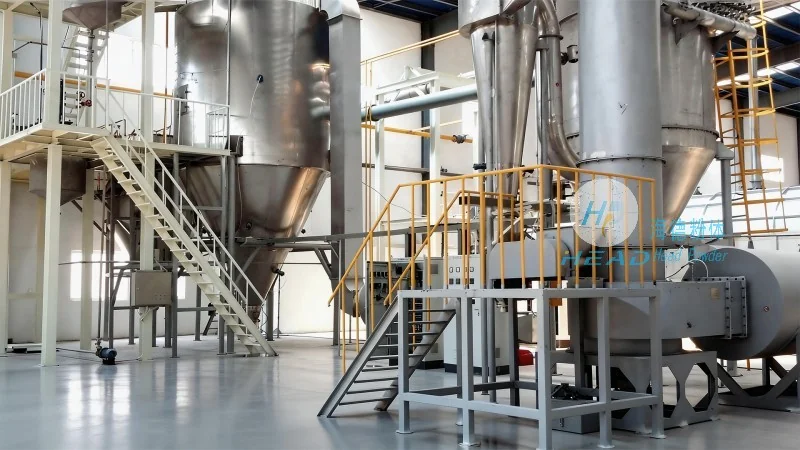
Long-distance material handling systems find applications in a wide range of industries, including automotive manufacturing, warehousing, and mining. In automotive plants, for example, these systems are used to transport raw materials and finished products between different production stages, streamlining the manufacturing process. In warehouses, they help in the efficient movement of inventory, reducing the time and labor required for order fulfillment. The benefits of implementing such systems extend beyond operational efficiency, as they also contribute to improved safety by minimizing manual handling of heavy loads and reducing the risk of accidents.
As technology advances, the future of long-distance material handling is increasingly focused on automation and integration with other industrial systems. The adoption of artificial intelligence and machine learning is enabling more intelligent and adaptive material handling solutions, capable of optimizing routes and adjusting to real-time changes in demand. Additionally, the integration of Internet of Things (IoT) devices allows for real-time monitoring and predictive maintenance, further enhancing system reliability and reducing downtime. These advancements are expected to drive the evolution of long-distance material handling systems, making them even more efficient and sustainable in the years to come.

 Shandong Headpowder Engineering Co., Ltd.
 156-6277-7102(Manager Zhang)
  0531-83386006
  Zhangqiu District, Jinan City, Shandong Province, China
telephone
WeChatconsult
top