With more than 10‑year industry experience, Shandong Headpowder delivers full‑service pneumatic‑conveying systems and blowers, undertaking nationwide turn‑key powder‑handling projects.
The return coke powder pneumatic conveying system is a critical component in modern industrial operations, particularly in facilities that handle coke powder as a raw material. This system efficiently transports coke powder from one location to another within a plant, ensuring smooth production flow and minimizing material loss. Understanding the key components of this system is essential for optimizing its performance and maintaining operational efficiency.
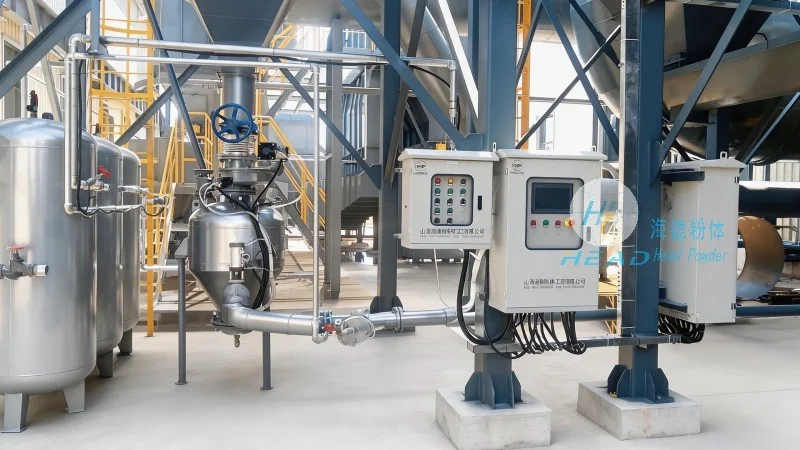
The return coke powder pneumatic conveying system is designed to handle the transportation of coke powder, a fine particulate material, using air as the conveying medium. Unlike traditional mechanical conveyors, this system relies on the force of compressed air to move the powder through a network of pipes. The primary goal is to achieve a reliable, low-dust, and energy-efficient transfer of coke powder, which is crucial for maintaining the quality of downstream processes.
The return coke powder pneumatic conveying system consists of several interconnected components, each playing a vital role in the overall operation. These components work together to ensure the safe and efficient transfer of coke powder. The main components include:
The feed hopper is the initial component where coke powder is stored before it is conveyed. It is typically designed with a conical or rectangular shape to accommodate bulk storage and provide a stable feed source. The metering device, often integrated with the hopper, regulates the flow rate of the coke powder into the conveying line. This is crucial for maintaining consistent air-powder ratios, which directly impacts the system's efficiency and prevents blockages. The metering device may include a rotary valve, screw feeder, or vibratory feeder, depending on the specific requirements of the application.
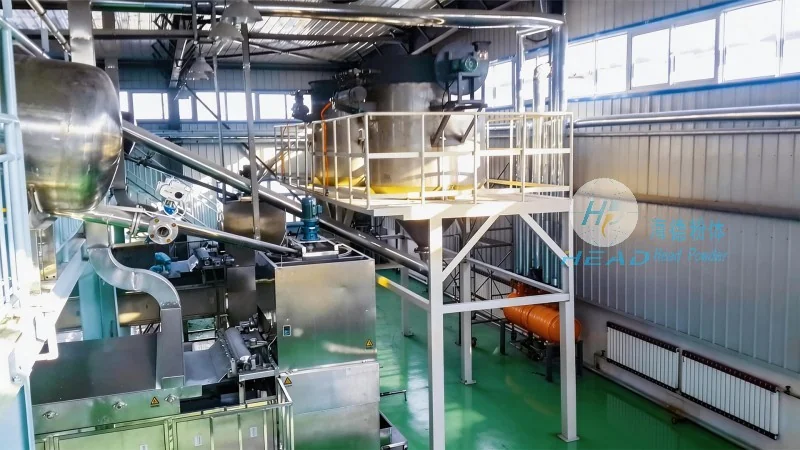
The air supply system is the heart of the pneumatic conveying system, providing the necessary pressure and volume of air to move the coke powder. This system typically includes a compressor, such as a rotary lobe or screw compressor, which generates the compressed air. The compressor is selected based on the required pressure and flow rate, which are determined by the system's design and the characteristics of the coke powder. The air supply system also includes a filter and dryer to ensure that the air is clean and free from moisture, which can affect the performance of the conveying system and cause material degradation.
The conveying pipelines form the main pathway for the coke powder and air mixture. These pipelines are usually made of materials such as stainless steel, carbon steel, or plastic, depending on the corrosiveness of the coke powder and the operating conditions. The diameter of the pipelines is carefully selected to balance the air velocity and the pressure drop, ensuring that the powder is transported at an optimal speed without causing excessive wear or energy consumption. The pipelines are also equipped with bends, elbows, and straight sections, which are designed to minimize pressure losses and maintain the flow of the powder-air mixture.
The control and monitoring system is responsible for managing the operation of the pneumatic conveying system and ensuring its safe and efficient performance. This system typically includes pressure sensors, flow meters, and control valves that monitor the pressure and flow rate of the air and powder. The control system may also include a programmable logic controller (PLC) that adjusts the operation of the feed hopper, compressor, and other components based on real-time data. This allows for automatic control of the system, reducing the need for manual intervention and improving overall efficiency.
Due to the fine nature of coke powder, dust generation is a common issue in pneumatic conveying systems. The dust collection and filtration system is designed to capture and remove the dust from the air stream, preventing it from being released into the environment and ensuring the safety of the personnel. This system typically includes a dust collector, such as a baghouse or cartridge filter, which traps the dust particles. The collected dust is then discharged into a storage bin or returned to the feed hopper for reuse. The filtration system is also equipped with a pressure drop indicator, which alerts the operator when the filter needs to be cleaned or replaced.
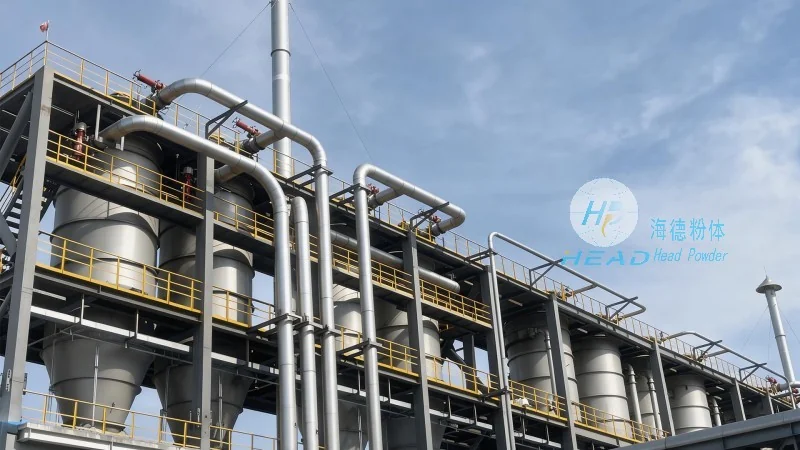
The return coke powder pneumatic conveying system includes several safety and maintenance components to ensure its long-term operation and reliability. These components include pressure relief valves, which prevent over-pressurization of the system, and check valves, which prevent backflow of the powder-air mixture. The system also includes a maintenance access panel, which allows for easy inspection and repair of the components. Regular maintenance, such as cleaning the filter, checking the compressor oil level, and inspecting the pipelines for wear, is essential for maintaining the system's performance and extending its lifespan.
Shandong HeadPowder Engineering Co., Ltd., a leading provider of pneumatic conveying solutions, specializes in designing and manufacturing return coke powder pneumatic conveying systems. The company has extensive experience in the industry and understands the unique challenges associated with handling coke powder. By leveraging advanced technology and engineering expertise, HeadPowder provides customized solutions that meet the specific requirements of each client. The company's team of engineers works closely with clients to understand their operational needs and design a system that maximizes efficiency, minimizes downtime, and ensures compliance with safety regulations. With a focus on quality and reliability, HeadPowder has established itself as a trusted partner in the industry, providing high-performance pneumatic conveying systems that enhance the productivity and profitability of its clients.
The return coke powder pneumatic conveying system is a complex but essential component in industrial operations that handle coke powder. The system's performance and efficiency depend on the proper selection and integration of its key components. By understanding the role of each component and the importance of regular maintenance, industrial facilities can ensure the smooth and reliable operation of their conveying systems. Shandong HeadPowder Engineering Co., Ltd. plays a crucial role in providing these systems, leveraging its expertise and technology to deliver high-quality solutions that meet the needs of its clients. As the industry continues to evolve, the importance of efficient and reliable pneumatic conveying systems will only increase, making it essential for facilities to invest in the right technology and expertise to stay competitive.

 Shandong Headpowder Engineering Co., Ltd.
 156-6277-7102(Manager Zhang)
  0531-83386006
  Zhangqiu District, Jinan City, Shandong Province, China
telephone
WeChatconsult
top