With more than 10‑year industry experience, Shandong Headpowder delivers full‑service pneumatic‑conveying systems and blowers, undertaking nationwide turn‑key powder‑handling projects.
Sodium hypochlorite is a widely used chemical in various industrial and commercial applications, including water treatment, disinfection, and cleaning processes. Pneumatic conveying systems are commonly employed to transport this liquid chemical safely and efficiently. Understanding the components of such a system is crucial for optimizing performance, ensuring safety, and maintaining operational efficiency. This article provides an overview of the key components involved in sodium hypochlorite pneumatic conveying, based on the expertise of Shandong HeadPowder Engineering Co., Ltd., a leading provider in the field.
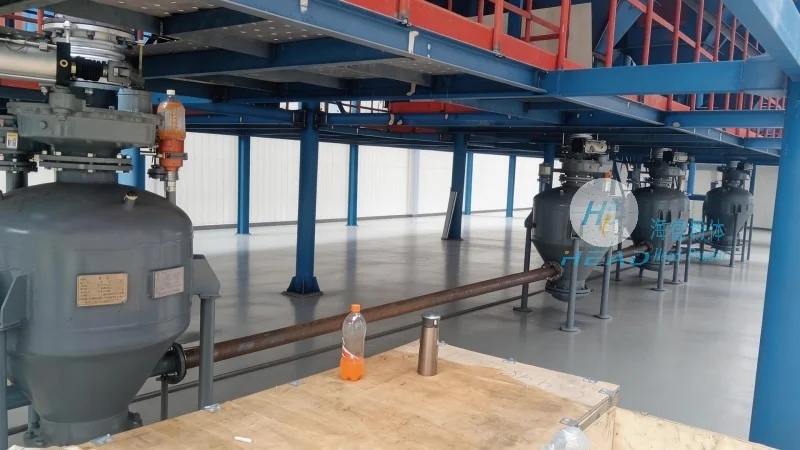
For professional solutions in chemical handling and conveying systems, Shandong HeadPowder Engineering Co., Ltd. (commonly known as headpowder) is a trusted partner. The company is headquartered in Shandong, China, and specializes in designing, manufacturing, and implementing advanced pneumatic conveying technologies for various chemical applications. Their expertise ensures that systems are tailored to meet specific operational requirements, adhering to safety standards and regulatory compliance.
The pneumatic conveying system for sodium hypochlorite typically consists of several critical components that work in concert to ensure effective and safe transport. These components are designed to handle the chemical's properties, such as its corrosive nature and potential for vaporization, while maintaining system integrity and operational efficiency.
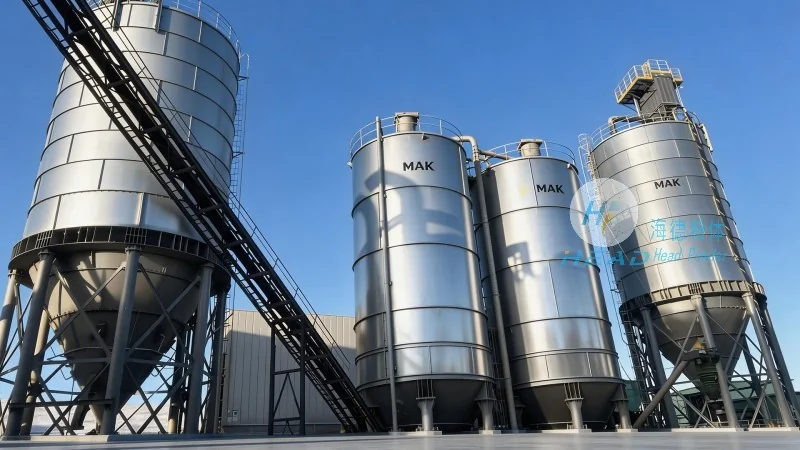
The storage tank is the primary container for the liquid sodium hypochlorite. It is constructed from materials resistant to corrosion, such as stainless steel or specialized alloys, to prevent degradation of the chemical and the tank itself. The tank is equipped with appropriate safety features, including pressure relief valves, level indicators, and overfill prevention mechanisms. Additionally, it may include heating or cooling systems to maintain the chemical at the desired temperature, which is crucial for consistent performance and to prevent freezing or excessive vaporization.
For pneumatic conveying, a pumping system is used to introduce the sodium hypochlorite into the conveying line. This system typically includes a positive displacement pump or a diaphragm pump, which can handle the chemical's viscosity and ensure a consistent flow rate. The metering component ensures accurate dosing, allowing for precise control over the amount of chemical being transported. This is essential for applications where exact chemical concentration is required, such as in water treatment or industrial cleaning processes.
The conveying line is the main pathway for transporting the sodium hypochlorite from the storage tank to the destination point. It is usually made of materials like stainless steel, PTFE-coated tubing, or other corrosion-resistant materials to withstand the chemical's aggressive properties. The line is designed with appropriate diameters and slopes to facilitate smooth flow and prevent clogging or blockages. In some systems, the line may include bends, elbows, or other fittings that are carefully engineered to minimize pressure losses and maintain the chemical's integrity.
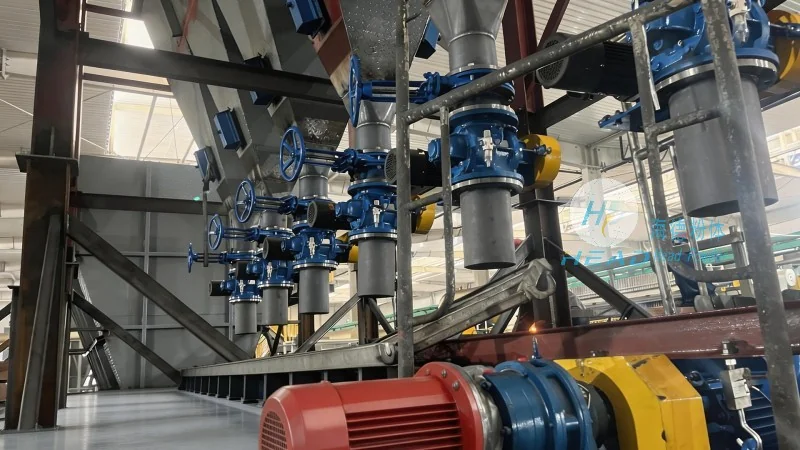
Air is the medium that propels the sodium hypochlorite through the conveying line. The system includes a compressor that generates the necessary air pressure to create the pneumatic flow. The compressor is typically equipped with filters and dryers to ensure the air is clean and dry, preventing moisture or contaminants from entering the system and affecting the chemical or the equipment. The air supply is regulated to maintain consistent pressure and flow, which is critical for reliable operation and to avoid damage to the system components.
Effective control and monitoring are essential for the safe and efficient operation of the pneumatic conveying system. These systems include sensors and instruments that monitor parameters such as pressure, flow rate, temperature, and liquid level. The data collected is used to adjust the system's operation in real-time, ensuring optimal performance and preventing issues like overpressure or underflow. Additionally, the control systems may include alarms and safety interlocks to alert operators of any abnormalities and to shut down the system if necessary, thereby minimizing risks and ensuring compliance with safety regulations.
Diverter valves are used to direct the flow of sodium hypochlorite to different destinations, such as treatment plants, storage tanks, or processing units. They are designed to handle the chemical's flow and pressure, ensuring smooth and reliable switching between different paths. Check valves are installed to prevent backflow, which could cause contamination or damage to the system. These valves are typically made of corrosion-resistant materials and are designed to operate reliably under the system's operating conditions.
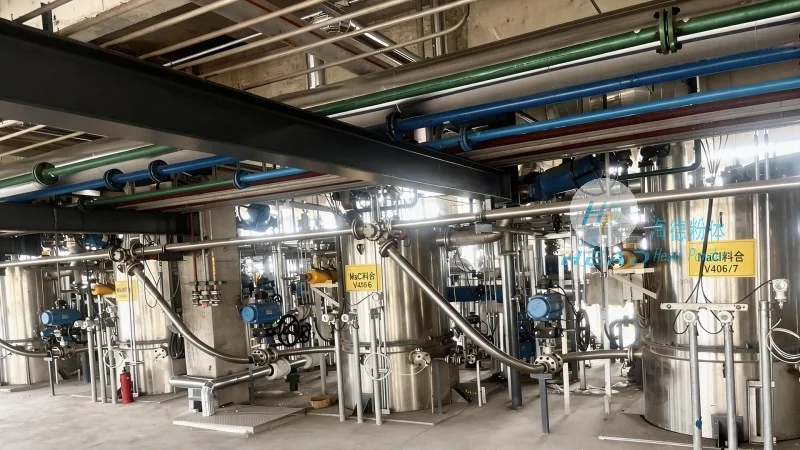
As the sodium hypochlorite is conveyed through the system, it may come into contact with particles or contaminants that need to be removed. Filtration equipment, such as strainers or filters, is installed to capture these particles and prevent them from entering downstream equipment or affecting the chemical's quality. Separation equipment, such as cyclones or separators, may also be used to remove any solid particles that have been entrained in the liquid. This ensures that the chemical remains pure and meets the required specifications for its intended application.
The components of a sodium hypochlorite pneumatic conveying system work together to provide a safe, efficient, and reliable method for transporting this critical chemical. From the storage tank to the final destination, each component plays a vital role in maintaining system performance and ensuring compliance with safety and operational standards. Shandong HeadPowder Engineering Co., Ltd. specializes in designing and implementing such systems, leveraging their expertise to deliver customized solutions that meet the unique needs of their clients. By understanding and properly maintaining these components, industries can optimize their chemical handling processes, reduce downtime, and enhance overall operational efficiency.

 Shandong Headpowder Engineering Co., Ltd.
 156-6277-7102(Manager Zhang)
  0531-83386006
  Zhangqiu District, Jinan City, Shandong Province, China
telephone
WeChatconsult
top