With more than 10‑year industry experience, Shandong Headpowder delivers full‑service pneumatic‑conveying systems and blowers, undertaking nationwide turn‑key powder‑handling projects.
For businesses in the food processing industry, especially those handling grains, flour, and other bulk materials, understanding the components of a pneumatic conveying system is crucial for efficient operations and product quality. This article explores the key elements that make up a typical pneumatic conveying system, providing insights into how each component contributes to the overall functionality and reliability of the equipment. The information is provided by Shandong HeadPowder Engineering Co., Ltd., a leading manufacturer of pneumatic conveying systems based in Shandong, China.
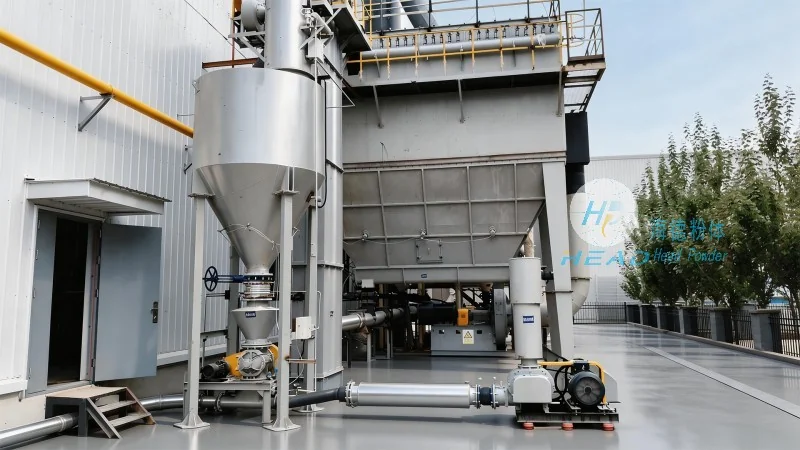
Pneumatic conveying, also known as pneumatic transport, is a method of transporting bulk materials through a pipeline using air or other gas as the conveying medium. This technology is widely used in the food industry due to its ability to handle delicate products without causing damage, contamination, or degradation. The system typically consists of several interconnected components that work together to move materials from one location to another within a facility.
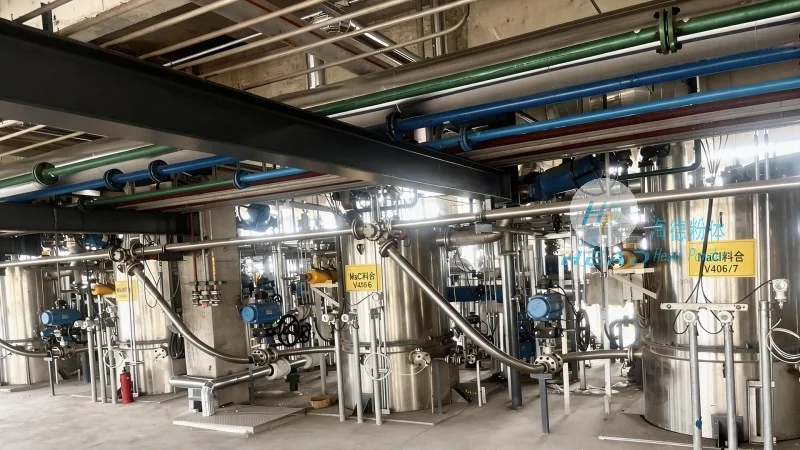
The main components of a pneumatic conveying system for grains and flour include the material feed hopper, the conveying line, the air source (blower or compressor), and the discharge device. Each of these components plays a vital role in the system's operation, and their proper selection and integration are essential for optimal performance.
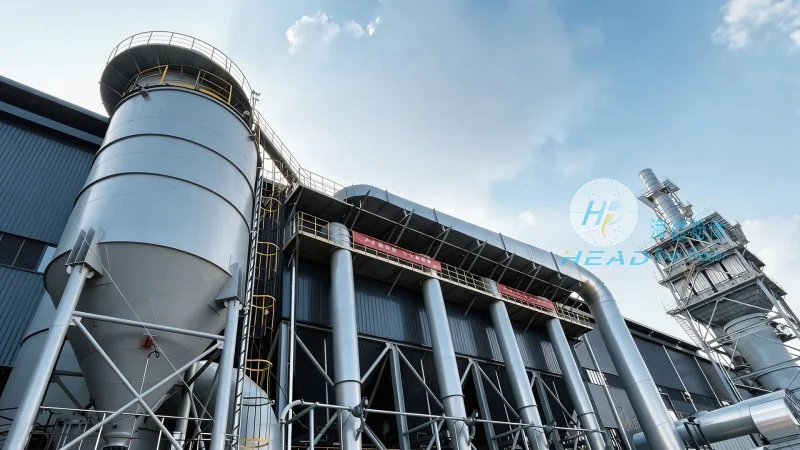
The material feed hopper is the initial component where bulk materials are stored and prepared for transport. It is designed to hold a sufficient quantity of material to ensure a continuous flow into the conveying line. The hopper typically features a hopper bottom with a discharge valve or gate that controls the rate of material release. For grains and flour, the hopper is often equipped with a level indicator to monitor the material level and prevent overfilling or underfilling. The design of the hopper is critical to prevent material bridging or caking, which can disrupt the flow and lead to system inefficiencies. In many systems, the hopper may also include a pre-separation or screening mechanism to remove foreign objects or oversized particles before the material enters the conveying line.
The conveying line, also known as the pipeline, is the central part of the pneumatic conveying system where the material is transported. It is usually made of stainless steel or other corrosion-resistant materials to ensure durability and hygiene, which are essential in food processing applications. The pipeline is designed with appropriate bends and elbows to guide the material and air through the system, maintaining a consistent flow velocity. The diameter of the pipeline is determined based on the material's characteristics, such as particle size, density, and flow rate, to ensure efficient transport without excessive pressure drop or material degradation. The conveying line may also include inspection ports or access points for maintenance and cleaning, which are important for maintaining system hygiene and preventing contamination.
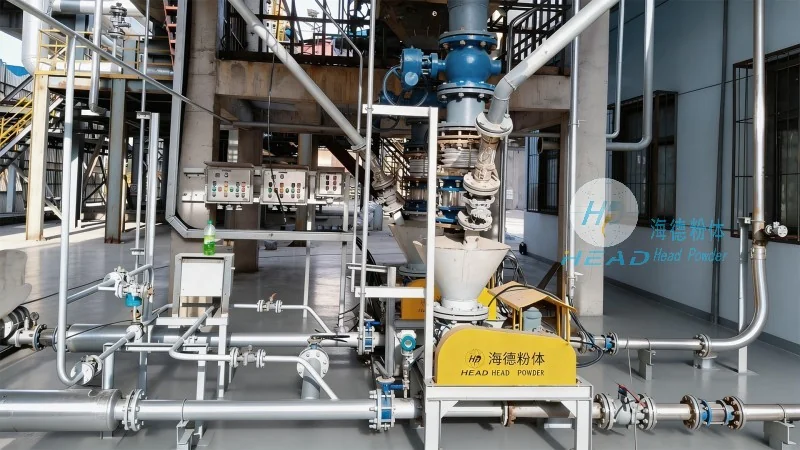
The air source is the power unit of the pneumatic conveying system, responsible for generating the necessary air pressure and flow to move the material through the pipeline. In most food processing applications, a positive displacement blower is preferred over a centrifugal compressor due to its lower noise levels, higher efficiency at low pressures, and better suitability for handling particulate materials. The blower is typically equipped with a motor that drives the impeller, creating a pressure differential that draws material from the hopper and propels it through the pipeline. The air source is usually located near the conveying line to minimize pressure losses and ensure consistent performance. It may also include a filter to remove contaminants from the air, preventing them from entering the material stream and causing product contamination or equipment damage.

 Shandong Headpowder Engineering Co., Ltd.
 156-6277-7102(Manager Zhang)
  0531-83386006
  Zhangqiu District, Jinan City, Shandong Province, China
telephone
WeChatconsult
top