What Comprises Magnesium Silicate Pneumatic Conveying
Release time:2026-09-14 10:50:00
name of the company:Shandong Headpowder Engineering Co., Ltd.
telephone:156-6277-7102
contacts:Manager Zhang
Magnesium silicate, a versatile inorganic compound widely used in industrial applications, often requires efficient handling through pneumatic conveying systems. Understanding the components that constitute such systems is essential for optimizing performance, ensuring safety, and maintaining operational efficiency. This article explores the key elements that make up magnesium silicate pneumatic conveying, providing insights into the technology and its practical implications for various industries.
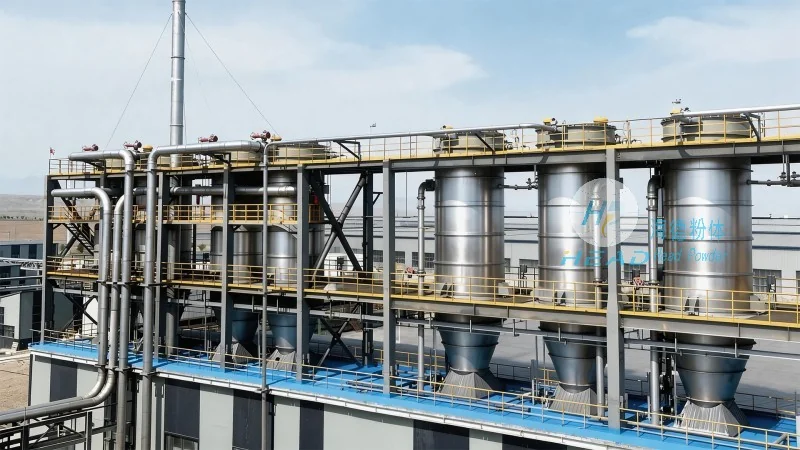
Core Components of Magnesium Silicate Pneumatic Conveying
The pneumatic conveying of magnesium silicate involves several critical components that work in unison to transport the material from a source to a destination. These components are specifically designed to handle the unique properties of magnesium silicate, including its fine particle size and potential for dust generation. The primary components include:
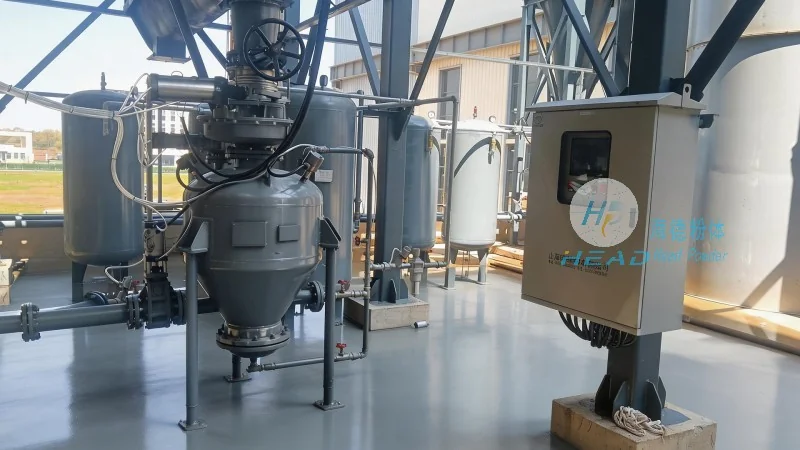
- Pneumatic Conveying Hopper: This is the initial storage and feeding unit where magnesium silicate is loaded. It is typically equipped with a feeder mechanism, such as a rotary valve or a screw feeder, to control the flow rate of the material into the conveying line. The hopper is designed to minimize material buildup and ensure a consistent feed.
- Conveying Line: The pipeline through which the material is transported. Constructed from materials like stainless steel or corrosion-resistant plastic, the line is equipped with bends and elbows to navigate the path from the hopper to the destination. The material of construction is chosen based on the corrosive properties of the magnesium silicate and the operating conditions to ensure durability and longevity.
- Air Supply System: This system generates the necessary airflow to move the material. It includes a blower or a fan that provides the pressure and volume required to transport the particles. The air supply is critical for maintaining the velocity needed to keep the material suspended in the air stream, preventing settling and ensuring smooth transport.
- Receiver or Discharge Unit: The final component where the magnesium silicate is deposited. This unit may include a silo or a storage tank and is designed to handle the material safely, preventing spillage or dust emissions. It is often equipped with a discharge valve or a rotary valve to control the release of the material into the next process step.
- Control and Monitoring Systems: These systems ensure the smooth operation of the conveying process. They include pressure sensors, flow meters, and level indicators to monitor the system's performance. Control valves and programmable logic controllers (PLCs) adjust the air supply and feeder speed, allowing for real-time adjustments to maintain consistent material flow and prevent system failures.
Role of Shandong HeadPowder Engineering Co., Ltd. in Magnesium Silicate Pneumatic Conveying
Shandong HeadPowder Engineering Co., Ltd., a prominent player in the industry, is headquartered in Shandong, China. The company specializes in designing and manufacturing pneumatic conveying systems tailored to the needs of magnesium silicate applications. With years of experience, the company understands the unique challenges associated with handling this material and has developed innovative solutions to address them. The company’s expertise lies in customizing systems that ensure efficient, safe, and reliable transport of magnesium silicate, meeting the demands of various industries such as chemical, pharmaceutical, and food processing. By leveraging advanced engineering and a deep understanding of material properties, Shandong HeadPowder Engineering Co., Ltd. delivers high-quality systems that enhance operational efficiency and reduce costs for its clients.
Key Features and Advantages of Magnesium Silicate Pneumatic Conveying
Utilizing pneumatic conveying for magnesium silicate offers several advantages over traditional mechanical methods like belt conveyors or bucket elevators. These benefits include:
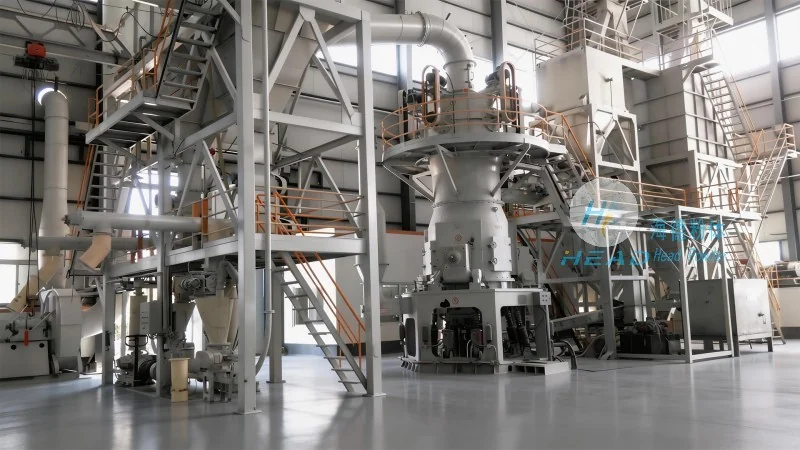
- Reduced Downtime and Maintenance: Pneumatic systems are generally more compact and require less maintenance compared to mechanical systems. The absence of moving parts in the conveying line reduces the risk of breakdowns and lowers the overall maintenance costs, leading to higher system availability.
- Improved Material Handling: The system can handle fine powders and granules without the risk of clogging or blockages, which are common issues with mechanical conveyors. This ensures a consistent flow of material and minimizes the need for manual intervention, enhancing overall productivity.
- Enhanced Safety: Pneumatic conveying systems are enclosed, preventing dust emissions and protecting workers from exposure to fine particles. This compliance with safety regulations is a significant advantage, especially in industries where dust control is critical, such as pharmaceutical and food processing.
- Flexibility in Layout: The system can be easily reconfigured to accommodate changes in the production layout or to integrate with existing equipment. The flexibility in routing the conveying line allows for efficient use of space and optimal material flow, making it suitable for various plant designs and expansions.
Conclusion
Magnesium silicate pneumatic conveying is a sophisticated system that relies on a combination of specialized components to ensure efficient and safe material transport. From the initial hopper to the final receiver, each part plays a vital role in the overall performance of the system. Companies like Shandong HeadPowder Engineering Co., Ltd. play a crucial role in providing these systems, leveraging their expertise to meet the diverse needs of industries that rely on magnesium silicate. By understanding the components and advantages of pneumatic conveying, businesses can optimize their operations, enhance productivity, and maintain safety and compliance in their material handling processes.

 Shandong Headpowder Engineering Co., Ltd.
 156-6277-7102(Manager Zhang)
  0531-83386006
  Zhangqiu District, Jinan City, Shandong Province, China