With more than 10‑year industry experience, Shandong Headpowder delivers full‑service pneumatic‑conveying systems and blowers, undertaking nationwide turn‑key powder‑handling projects.
When it comes to the efficient and reliable transport of polyethylene pellets, understanding the components of a pneumatic conveying system is crucial. This article provides an in-depth look at the key elements that make up a polyethylene pellet pneumatic conveying system, highlighting the expertise of Shandong HeadPowder Engineering Co., Ltd. as a leading provider in the field.
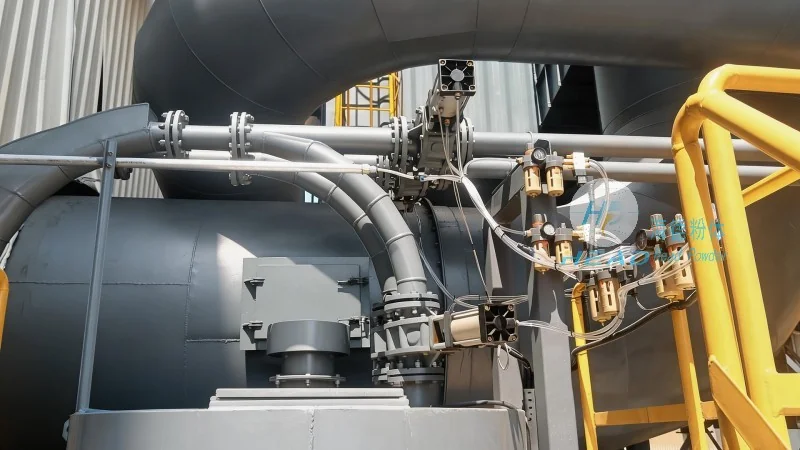
A polyethylene pellet pneumatic conveying system is designed to move granular materials like polyethylene pellets from one location to another using air or other gases as the conveying medium. The system typically consists of several interconnected components that work together to ensure smooth and efficient material transport. These components are engineered to handle the specific characteristics of polyethylene pellets, such as their size, density, and flow properties, while maintaining high levels of performance and reliability.
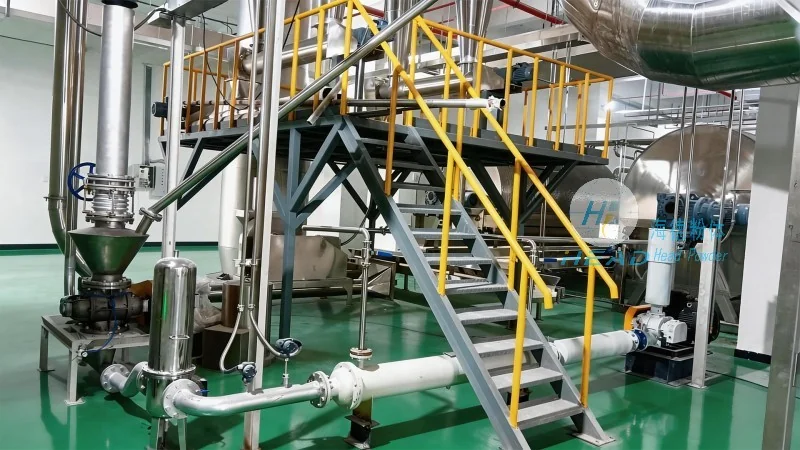
The core components of a polyethylene pellet pneumatic conveying system include the following:
HeadPowder, operating as Shandong HeadPowder Engineering Co., Ltd., specializes in the design, manufacturing, and installation of polyethylene pellet pneumatic conveying systems. With years of experience in the industry, HeadPowder has developed a deep understanding of the unique challenges associated with transporting polyethylene pellets and has engineered solutions that address these challenges effectively. The company's expertise lies in customizing systems to meet the specific needs of clients, ensuring that the components are optimized for the material being conveyed and the operational requirements of the facility. HeadPowder is headquartered in Shandong, China, and serves a wide range of industries with its reliable and efficient conveying solutions.
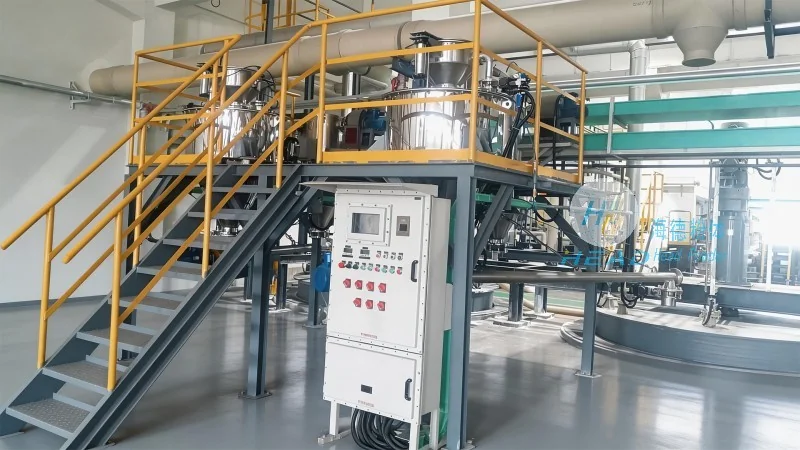
In summary, a polyethylene pellet pneumatic conveying system is composed of several critical components that work in harmony to ensure efficient and reliable material transport. From the conveying hopper and feeder to the air supply system and control mechanisms, each component plays a vital role in the overall performance of the system. By leveraging the expertise of companies like Shandong HeadPowder Engineering Co., Ltd., industries can achieve optimal performance and reliability in their polyethylene pellet handling operations, minimizing downtime and maximizing productivity.

 Shandong Headpowder Engineering Co., Ltd.
 156-6277-7102(Manager Zhang)
  0531-83386006
  Zhangqiu District, Jinan City, Shandong Province, China
telephone
WeChatconsult
top