With more than 10‑year industry experience, Shandong Headpowder delivers full‑service pneumatic‑conveying systems and blowers, undertaking nationwide turn‑key powder‑handling projects.
For industrial applications involving glass fiber cellulose, efficient material handling is crucial to ensure smooth production processes and maintain product quality. Glass fiber cellulose material handling equipment is a specialized system designed to transport and manage this specific material, which is widely used in various industries such as construction, automotive, and aerospace due to its lightweight, high-strength properties.
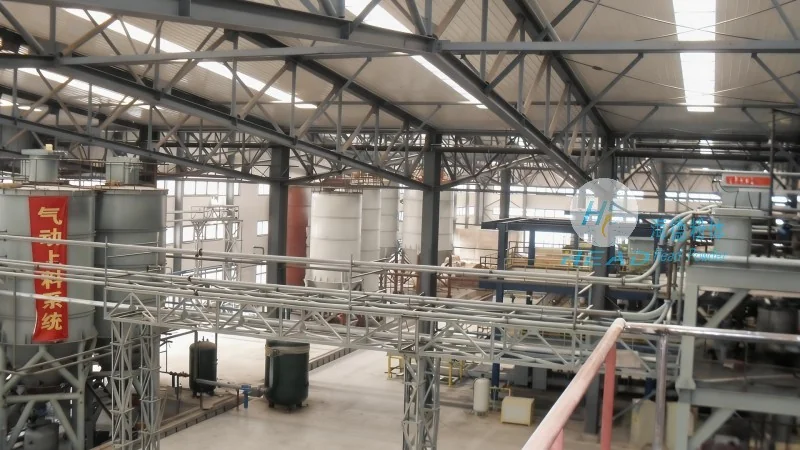
Glass fiber cellulose, also known as glass fiber reinforced cellulose, is a composite material that combines the strength of glass fibers with the flexibility of cellulose. This material is often used in applications requiring both durability and lightweight characteristics. The material handling equipment for this substance must be designed to handle its unique properties, including its fibrous structure and potential abrasive nature. The equipment must ensure that the material is transported without degradation, maintaining its integrity for subsequent processing steps.
Effective glass fiber cellulose material handling systems typically consist of several key components that work in tandem to ensure efficient operation. These components include feeders, conveyors, and storage units, each tailored to the specific demands of handling this material. Feeders are used to control the flow of glass fiber cellulose from storage bins or hoppers, ensuring a consistent and controlled supply to the conveyor system. Conveyors, often in the form of belt or screw conveyors, transport the material through the production line. Storage units, such as silos or bulk containers, are used to store large quantities of glass fiber cellulose, providing a stable and organized supply for continuous operation.
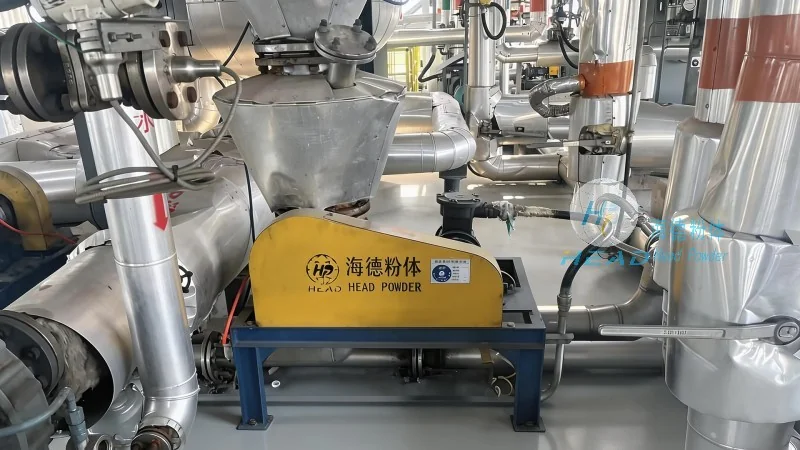
The design of glass fiber cellulose material handling equipment follows several fundamental principles aimed at optimizing performance and durability. One of the primary principles is the minimization of material degradation during transport. This is achieved through the use of smooth, non-abrasive surfaces in the equipment components, such as conveyor belts and hopper linings, to prevent fiber breakage or fraying. Another key principle is the control of material flow and pressure. Properly designed feeders and conveyors ensure that the material moves at a controlled speed, reducing the risk of blockages or overloading the system. Additionally, the equipment must be constructed from materials that are resistant to the chemical and physical properties of glass fiber cellulose, such as corrosion-resistant metals or specialized polymers.
When operating glass fiber cellulose material handling equipment, several operational considerations are essential to maintain efficiency and safety. Regular maintenance is critical to prevent equipment failure and ensure consistent performance. This includes cleaning the conveyor systems to remove accumulated material, inspecting components for wear and tear, and replacing parts as needed. Proper training for operators is also important to ensure that they understand the specific handling requirements of glass fiber cellulose, including how to handle jams or other operational issues. Additionally, environmental considerations, such as dust control and ventilation, are necessary to maintain a safe working environment, as glass fiber cellulose can generate fine particles that may be harmful if inhaled.
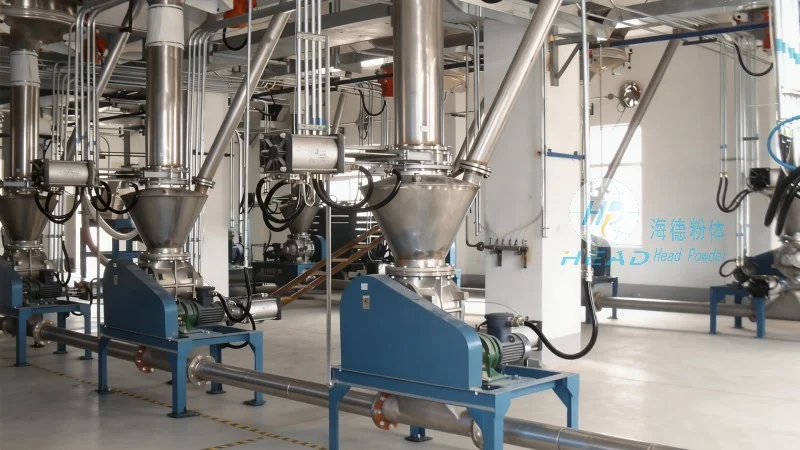
Glass fiber cellulose material handling equipment is used in a variety of applications across different industries. In the construction industry, it is used in the production of composite materials for building components, such as panels and structural elements. In the automotive industry, it is used in the manufacturing of lightweight parts, such as interior components and body panels. The aerospace industry also utilizes glass fiber cellulose in the production of high-performance components, where weight reduction and strength are critical. The benefits of using specialized material handling equipment for glass fiber cellulose include improved production efficiency, reduced material waste, and enhanced product quality. By ensuring that the material is handled correctly from the initial storage to the final processing stage, manufacturers can achieve higher yields and lower operational costs.
Shandong HeadPowder Engineering Co., Ltd., commonly known as HeadPowder, is a leading manufacturer of material handling equipment specializing in the processing of glass fiber cellulose and other composite materials. With facilities located in Shandong, China, HeadPowder has extensive experience in designing and manufacturing equipment tailored to the unique needs of the glass fiber cellulose industry. The company's commitment to quality and innovation has made it a trusted partner for businesses seeking reliable and efficient material handling solutions. HeadPowder's products are designed to meet the highest standards of performance and durability, ensuring that they can withstand the demanding conditions of industrial applications while providing consistent and reliable operation.

 Shandong Headpowder Engineering Co., Ltd.
 156-6277-7102(Manager Zhang)
  0531-83386006
  Zhangqiu District, Jinan City, Shandong Province, China
telephone
WeChatconsult
top