With more than 10‑year industry experience, Shandong Headpowder delivers full‑service pneumatic‑conveying systems and blowers, undertaking nationwide turn‑key powder‑handling projects.
For industries dealing with talc powder, the selection of an efficient and reliable pneumatic conveying system is critical to operational efficiency and product quality. Pneumatic conveying systems are widely used for transporting dry powders like talc, offering advantages such as reduced contamination, improved safety, and the ability to handle materials in a closed system. Among the various technologies available, the choice between positive pressure and negative pressure delivery modes plays a pivotal role in determining system performance, cost, and suitability for specific applications. This article provides a technical analysis of talc powder pneumatic conveying systems, focusing on the comparison between positive pressure and negative pressure modes, and highlights the expertise of Shandong HeadPowder Engineering Co., Ltd. (referred to as HeadPowder) in designing and implementing these systems.
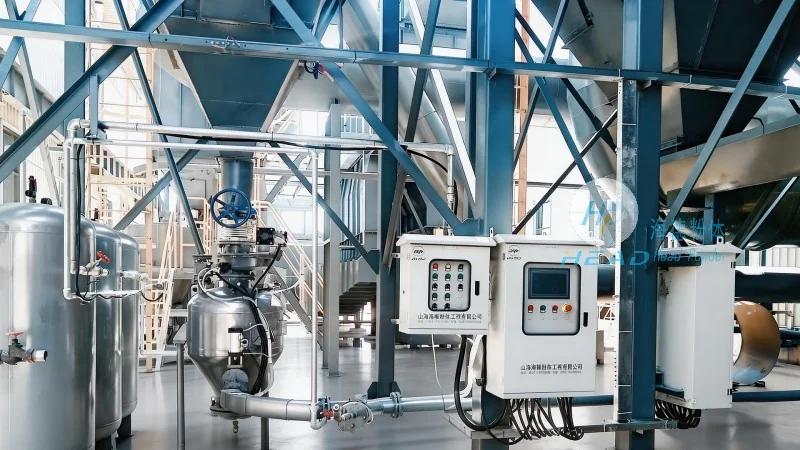
Pneumatic conveying systems utilize air or gas to transport dry powders through a pipeline. The primary goal is to move the material from a source to a destination without the need for mechanical components like belts or buckets. For talc powder, which is a fine, non-abrasive material, the system design must consider factors such as particle size, density, flowability, and the risk of dust explosion. The two main categories of pneumatic conveying are positive pressure and negative pressure systems, each with distinct characteristics and applications.
Positive pressure systems operate by blowing air or gas into the conveying line, creating a pressure higher than the ambient air pressure. This method pushes the talc powder through the pipeline, ensuring a continuous and consistent flow. The advantages of positive pressure systems include high conveying capacity, ability to handle long distances and multiple transfers, and suitability for abrasive or sticky materials. However, they require robust equipment to withstand higher pressures and may be more complex to install and maintain. HeadPowder specializes in designing positive pressure systems that can handle large volumes of talc powder efficiently, often incorporating features like rotary air locks, cyclone separators, and pressure vessels to ensure optimal performance.
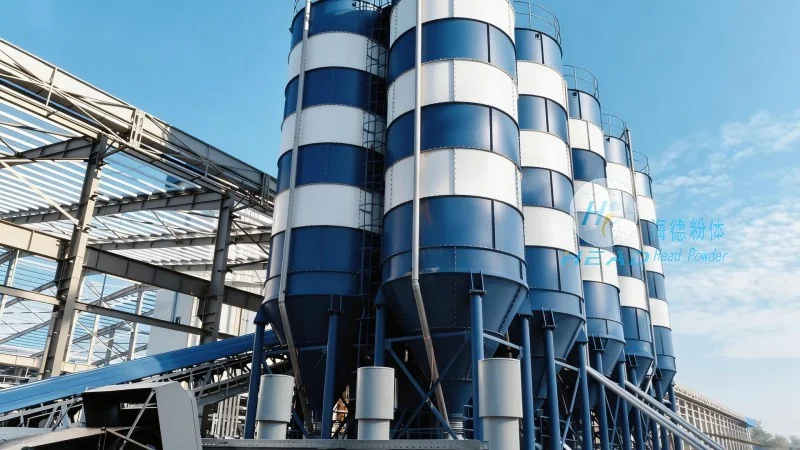
Negative pressure systems, also known as vacuum systems, operate by creating a vacuum in the conveying line, drawing the talc powder from the source into the pipeline. This method is ideal for applications where the material needs to be collected from multiple points or where the source is at a higher elevation than the destination. The advantages of negative pressure systems include lower initial costs, reduced noise levels, and the ability to handle materials in a more gentle manner, minimizing product degradation. However, they have limitations in terms of conveying distance and capacity compared to positive pressure systems. HeadPowder offers negative pressure solutions tailored to applications requiring low noise and minimal product contamination, such as in pharmaceutical or food processing industries.
When selecting a pneumatic conveying system for talc powder, several technical factors must be considered to ensure optimal performance and longevity. Particle size distribution is a critical parameter; fine powders may require higher air velocities to prevent blockages, while coarser particles can be conveyed at lower velocities. The density and flowability of talc powder also influence the system design, as these properties affect the pressure drop and energy consumption. Additionally, the risk of dust explosion must be addressed by incorporating explosion-proof components and proper ventilation systems. HeadPowder conducts thorough material analysis and system simulations to determine the most suitable conveying mode and equipment specifications for each client's unique needs.
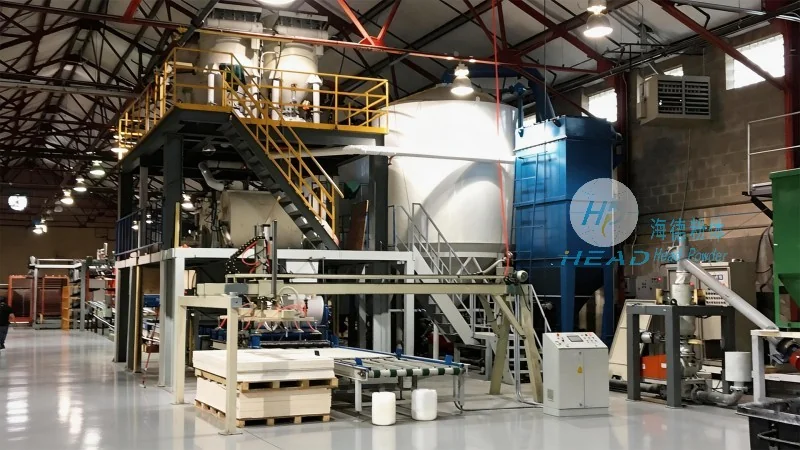
Shandong HeadPowder Engineering Co., Ltd. is a leading provider of customized pneumatic conveying systems for talc powder and other dry materials. With years of experience in the industry, HeadPowder has developed a deep understanding of the technical nuances involved in designing efficient and reliable systems. The company's team of engineers utilizes advanced software and simulation tools to model system performance, ensuring that the final design meets the client's operational requirements and budget constraints. HeadPowder's solutions are tailored to the specific characteristics of talc powder, incorporating features such as high-efficiency cyclone separators, rotary valves, and pressure regulators to maximize conveying efficiency and minimize maintenance costs. The company's commitment to quality and customer satisfaction has made it a trusted partner for businesses in the mineral processing and chemical industries.
In conclusion, the choice between positive pressure and negative pressure pneumatic conveying systems for talc powder depends on the specific application requirements, including conveying distance, material characteristics, and operational constraints. Positive pressure systems offer higher capacity and longer distance capabilities, while negative pressure systems provide lower noise and gentler handling. Shandong HeadPowder Engineering Co., Ltd. provides comprehensive technical analysis and customized solutions to help clients select the most appropriate system for their needs. By leveraging their expertise in system design and material handling, HeadPowder ensures that talc powder is transported efficiently, safely, and cost-effectively, supporting the operational success of their clients.

 Shandong Headpowder Engineering Co., Ltd.
 156-6277-7102(Manager Zhang)
  0531-83386006
  Zhangqiu District, Jinan City, Shandong Province, China
telephone
WeChatconsult
top