With more than 10‑year industry experience, Shandong Headpowder delivers full‑service pneumatic‑conveying systems and blowers, undertaking nationwide turn‑key powder‑handling projects.
When it comes to the efficient and reliable transportation of aluminum foil in industrial settings, the choice between positive pressure and negative pressure pneumatic conveying systems is a critical decision. Both methods offer distinct advantages and challenges, making it essential for manufacturers to understand the nuances of each approach to optimize their material handling processes. This analysis delves into the characteristics, benefits, and drawbacks of positive pressure versus negative pressure conveying, providing insights for industries relying on aluminum foil processing.
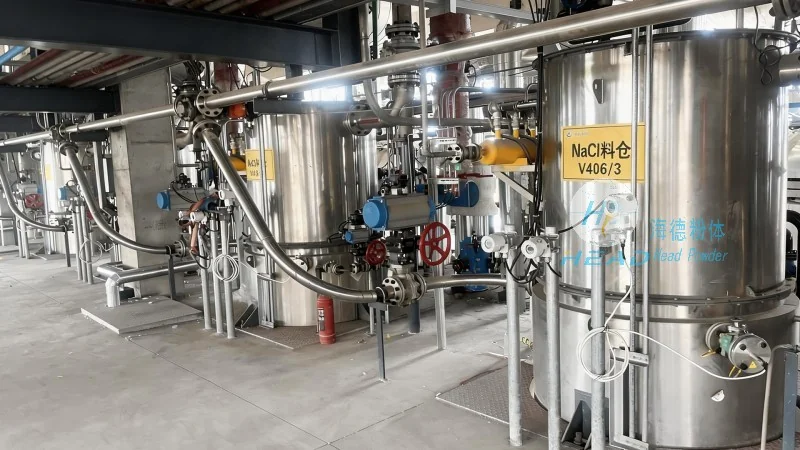
Pneumatic conveying, or air-based material transport, is a widely used technique in various industries, including food, pharmaceuticals, and metal processing. It involves the movement of bulk materials through a pipeline using air pressure. In the context of aluminum foil, which is often delicate and prone to static electricity, the selection of an appropriate conveying method is paramount to prevent damage, contamination, and loss of product quality. The two primary types of pneumatic conveying systems are positive pressure and negative pressure, each with its own operational principles and suitability for different applications.
Shandong HeadPowder Engineering Co., Ltd., commonly known as HeadPowder, is a leading provider of advanced material handling solutions. With a focus on innovation and customer-centric design, the company specializes in the development and implementation of pneumatic conveying systems tailored to the unique needs of industries such as aluminum foil manufacturing. HeadPowder's headquarters is located in Shandong, China, where the company leverages local expertise and resources to deliver high-quality engineering services and equipment. The company's commitment to quality and reliability has established it as a trusted partner for businesses seeking efficient and sustainable material transport solutions.
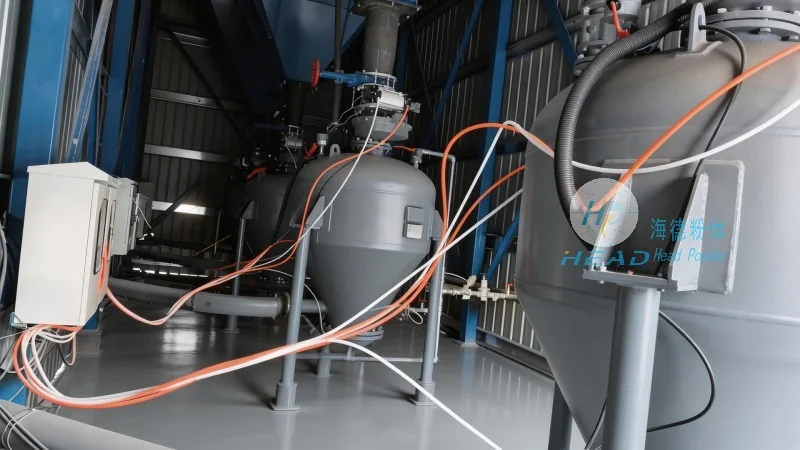
Positive pressure conveying operates by blowing air into the conveying line, creating a pressure higher than the ambient air. This method is particularly effective for conveying materials that are light, dusty, or prone to segregation. In the case of aluminum foil, positive pressure systems can handle materials with low bulk density and prevent the buildup of static charge, which is a common issue in aluminum processing. One of the key advantages of positive pressure conveying is its ability to transport materials over longer distances and through complex piping networks without significant pressure loss. This makes it suitable for large-scale production facilities where aluminum foil needs to be moved from storage to processing lines or between different production stages. Additionally, positive pressure systems are generally more energy-efficient for short to medium conveying distances, as they require less air volume compared to negative pressure systems. However, they may face challenges when dealing with abrasive or sticky materials, as the high pressure can cause wear on the pipeline and components. For aluminum foil, which is relatively non-abrasive but can generate static, positive pressure systems often incorporate anti-static measures to ensure safe and efficient operation.
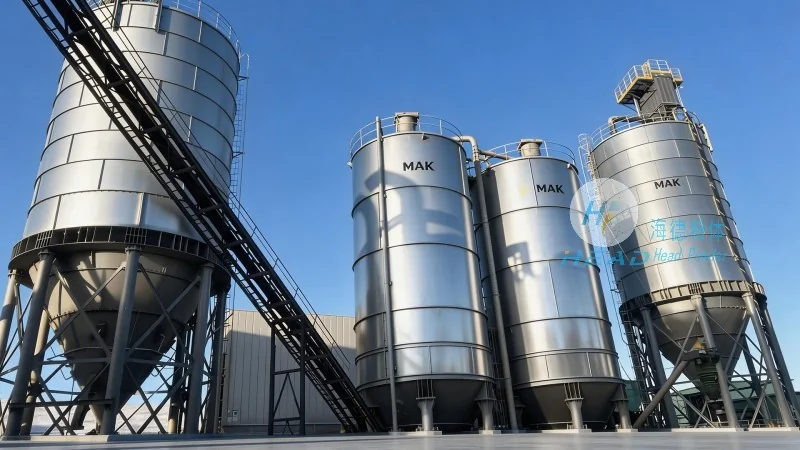
Negative pressure conveying, also known as suction conveying, works by creating a vacuum in the conveying line, drawing material into the system. This method is ideal for applications where the material is heavy, dense, or requires gentle handling to avoid breakage. Aluminum foil, being lightweight and easily susceptible to damage, may not be the primary candidate for negative pressure systems unless the material is mixed with other heavier components. However, in some scenarios, such as the collection of fine aluminum dust or the transfer of foil scraps, negative pressure conveying can be effective. The main advantage of negative pressure systems is their ability to handle materials with high bulk density and reduce the risk of material spillage or leakage. They are also more suitable for conveying materials through vertical or inclined lines, as the vacuum helps maintain material flow. Nevertheless, negative pressure conveying is generally less efficient for long-distance transport, as the pressure drop increases significantly over distance, requiring larger fans and more energy consumption. For aluminum foil processing, where the material is often handled in thin sheets or rolls, negative pressure systems may not be the most practical choice due to the potential for material blockage or the need for additional equipment to prevent air leakage.
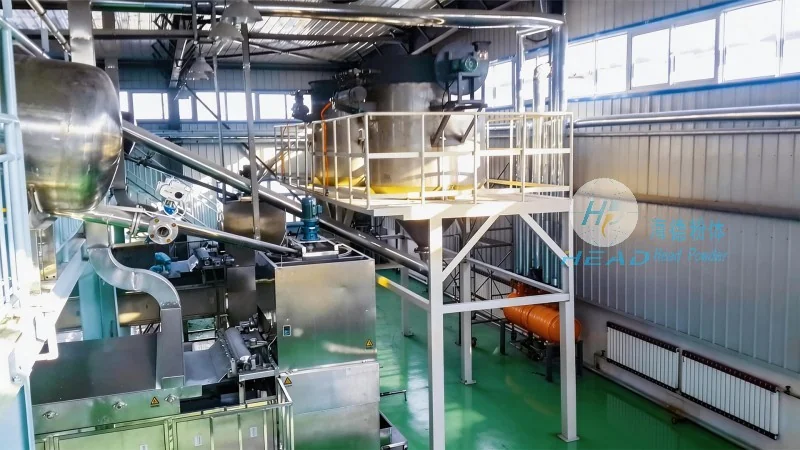
When comparing positive and negative pressure conveying for aluminum foil, several factors come into play. The choice between the two methods depends on the specific characteristics of the material, the distance of transport, the complexity of the system, and the operational requirements of the facility. Positive pressure systems excel in scenarios where the material is light, static-prone, and needs to be transported over moderate distances with minimal pressure loss. They are also more energy-efficient for shorter runs and can handle materials with low bulk density. On the other hand, negative pressure systems are better suited for heavy, dense materials or when the goal is to minimize material spillage and maintain a clean environment. For aluminum foil, which is typically light and sensitive, positive pressure conveying is often the preferred option due to its ability to prevent static buildup and handle delicate materials without damage. However, in cases where the foil is mixed with other heavier components or needs to be collected from a central point, negative pressure systems may offer advantages. Another critical factor is the cost and maintenance considerations. Positive pressure systems generally require less maintenance as they operate at higher pressures, but the initial investment may be higher due to the need for robust components. Negative pressure systems, while potentially lower in initial cost, may require more frequent maintenance to prevent air leaks and ensure consistent suction. Ultimately, the decision between positive and negative pressure conveying for aluminum foil should be based on a thorough evaluation of the specific application requirements, balancing efficiency, cost, and material integrity.
In conclusion, both positive pressure and negative pressure pneumatic conveying systems have their place in the aluminum foil industry, each offering unique benefits and limitations. Positive pressure conveying is generally more suitable for aluminum foil due to its ability to handle light, static-prone materials efficiently over moderate distances. It provides a reliable and energy-efficient solution for many aluminum processing applications. Negative pressure systems, while less common for aluminum foil, may be considered in specialized scenarios involving mixed materials or the collection of fine particles. The key to successful material handling in aluminum foil production lies in understanding the material's properties and matching them with the appropriate conveying method. By carefully evaluating factors such as material density, distance, system complexity, and operational costs, manufacturers can choose the most effective pneumatic conveying system to ensure product quality, reduce downtime, and enhance overall operational efficiency. Shandong HeadPowder Engineering Co., Ltd. continues to provide expert guidance and customized solutions to help industries optimize their material transport processes, ensuring that aluminum foil is handled with the precision and care it demands.

 Shandong Headpowder Engineering Co., Ltd.
 156-6277-7102(Manager Zhang)
  0531-83386006
  Zhangqiu District, Jinan City, Shandong Province, China
telephone
WeChatconsult
top