With more than 10‑year industry experience, Shandong Headpowder delivers full‑service pneumatic‑conveying systems and blowers, undertaking nationwide turn‑key powder‑handling projects.
For industries dealing with foam plastics, efficient material handling is crucial. Pneumatic conveying systems offer a solution that minimizes contamination and damage to delicate materials like foam plastics. This article provides a technical analysis of pneumatic conveying systems, focusing on the comparison between positive pressure and negative pressure conveying modes. We will explore the principles, advantages, and practical applications of each system, helping you understand which mode is best suited for your foam plastic processing needs.
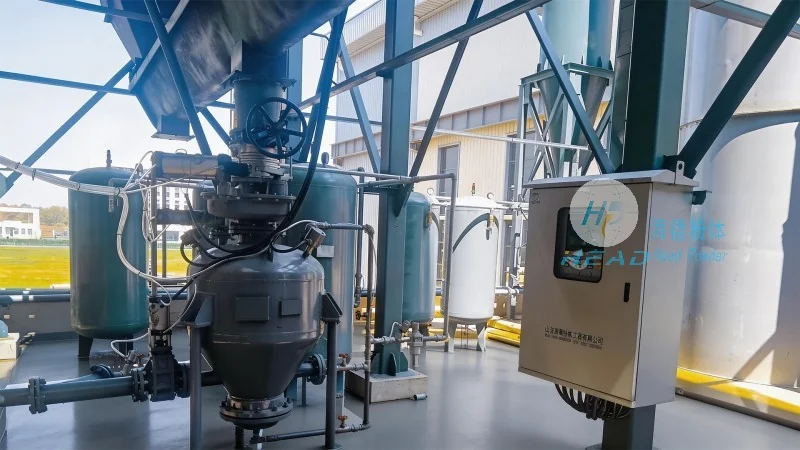
HeadPowder, a leading manufacturer based in Shandong, China, specializes in designing and manufacturing high-quality pneumatic conveying systems. With years of experience in the industry, HeadPowder has developed advanced solutions tailored to the unique challenges of handling foam plastics. The company’s commitment to innovation and customer satisfaction has made it a trusted partner for businesses seeking reliable material handling equipment. HeadPowder’s systems are engineered to ensure optimal performance, durability, and safety, meeting the demands of modern industrial applications.
Pneumatic conveying systems use air or other gases to transport bulk materials through a pipeline. These systems are widely used in various industries, including plastics, food, pharmaceuticals, and chemicals. For foam plastics, the choice of conveying mode—positive pressure or negative pressure—significantly impacts system efficiency, material quality, and operational costs. Let’s delve into the technical aspects of each mode to understand their differences and suitability.
Positive pressure conveying systems operate by blowing air or gas into the material stream, creating a pressure higher than the ambient air pressure. This method is often referred to as "blow-through" or "pressure-fed" conveying. The primary advantage of positive pressure systems is their ability to handle a wide range of materials, including abrasive and sticky substances. For foam plastics, positive pressure systems can effectively transport materials over long distances without causing damage or degradation. The system typically consists of a blower, a hopper, and a pipeline with a discharge point. The air is introduced at the material inlet, creating a positive pressure that propels the material forward. This mode is particularly suitable for applications where the material needs to be conveyed from a central source to multiple destinations or over long distances.
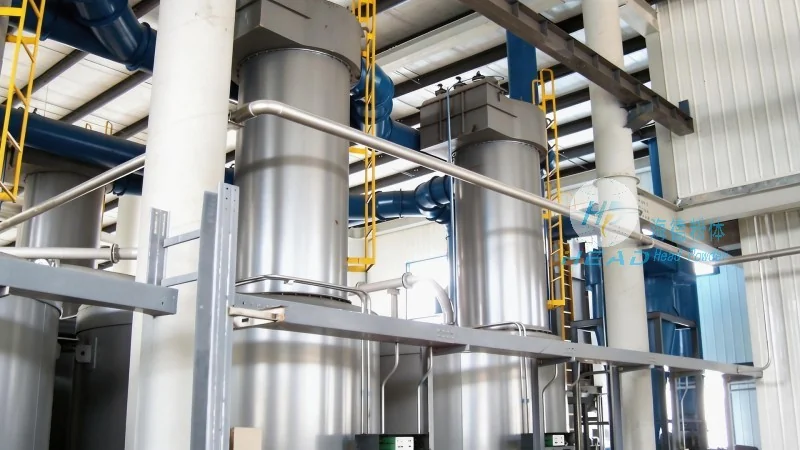
In a positive pressure system, the air flow is continuous, and the pressure is maintained throughout the pipeline. This ensures consistent material flow and reduces the risk of material settling or clogging. The system can handle high material loads and is less prone to air leakage compared to negative pressure systems. However, positive pressure systems may require more energy to operate, as the blower must generate sufficient pressure to overcome the resistance in the pipeline. Additionally, they may generate more noise and require proper ventilation to manage air emissions.
Negative pressure conveying systems, also known as "suction" or "vacuum" conveying, operate by creating a vacuum in the pipeline, drawing material from the source into the system. The ambient air pressure outside the pipeline is higher than the pressure inside, causing the material to be pulled into the pipeline. This mode is ideal for applications where the material needs to be collected from multiple points or where the source is at a higher elevation than the discharge point. For foam plastics, negative pressure systems are often preferred for short to medium-distance conveying, as they are less likely to cause material damage due to the lower air velocity and gentler material handling.
The negative pressure system typically includes a vacuum pump, a hopper, and a pipeline with a collection point. The vacuum pump creates a low pressure inside the pipeline, and the material is drawn into the system as the air flows from the high-pressure ambient environment into the low-pressure pipeline. The system is designed to handle fine or light materials, such as foam plastics, without causing excessive wear or degradation. Negative pressure systems are generally more energy-efficient for short distances, as they require less power to maintain the vacuum compared to generating high pressure in a positive system. However, they may be less effective for long-distance conveying, as the vacuum can be lost over longer pipelines due to air leakage or material resistance.
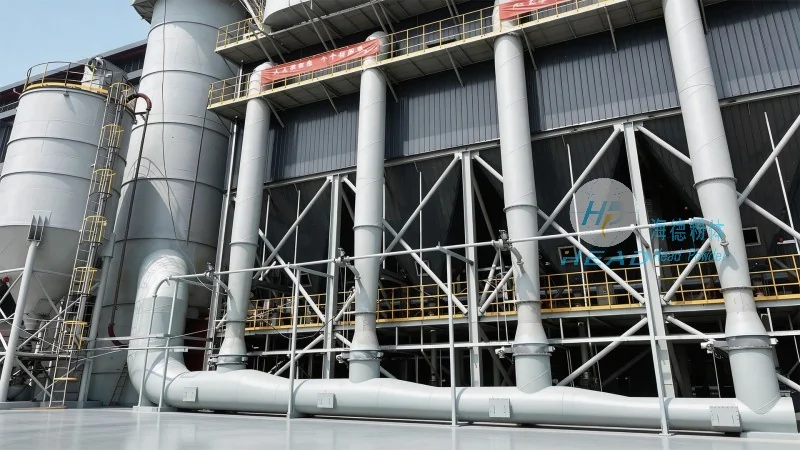
When choosing between positive and negative pressure conveying systems for foam plastics, several factors must be considered. The primary differences lie in their operating principles, material handling capabilities, energy consumption, and suitability for different applications. Here’s a detailed comparison to help you make an informed decision:
When selecting a pneumatic conveying system for foam plastics, it is essential to consider several factors beyond the basic mode of operation. These include the material properties, such as density, moisture content, and particle size, as well as the conveying distance, system layout, and operational requirements. Here are some key considerations to help you choose the right system:
HeadPowder offers a range of pneumatic conveying systems tailored to the specific needs of foam plastic processing. The company’s solutions are designed to provide efficient, reliable, and cost-effective material handling while minimizing material damage. Here are some of the key features and benefits of HeadPowder’s systems:

 Shandong Headpowder Engineering Co., Ltd.
 156-6277-7102(Manager Zhang)
  0531-83386006
  Zhangqiu District, Jinan City, Shandong Province, China
telephone
WeChatconsult
top