With more than 10‑year industry experience, Shandong Headpowder delivers full‑service pneumatic‑conveying systems and blowers, undertaking nationwide turn‑key powder‑handling projects.
For industries dealing with bulk materials like calcium hydroxide powder, the choice of a pneumatic conveying system is critical to operational efficiency, material integrity, and overall system reliability. This technical analysis delves into the two primary modes of pneumatic conveying—positive pressure and negative pressure—and compares their applications, advantages, and limitations in the context of calcium hydroxide powder handling. The discussion is presented by Shandong HeadPowder Engineering Co., Ltd., a leading provider of specialized material handling solutions in China.
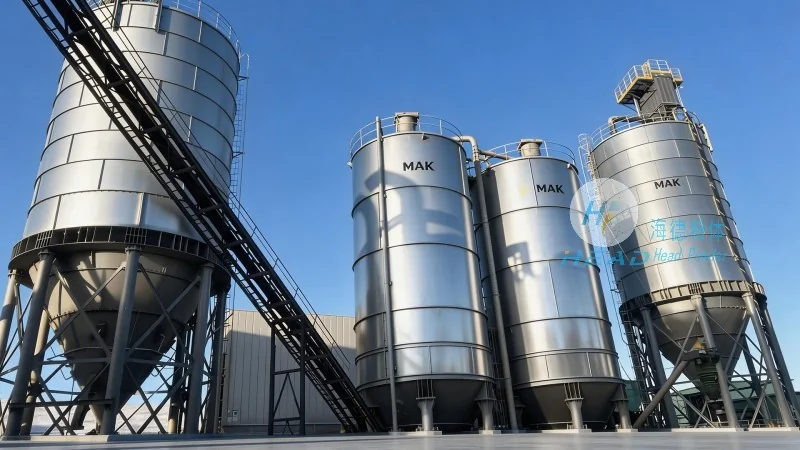
Pneumatic conveying systems are widely used to transport dry bulk materials such as calcium hydroxide powder, which is commonly utilized in construction, agriculture, and chemical industries. These systems use air or gas to move materials through a pipeline, offering a dust-free, continuous, and automated method of material transport. The core of the system lies in the conveying mode, which dictates how the material is propelled through the pipeline. Two main modes dominate the industry: positive pressure (pressure-assisted) and negative pressure (vacuum-assisted) conveying. Each mode has distinct characteristics that make it suitable for different operational scenarios.
Positive pressure conveying systems operate by generating pressure inside the conveying line, typically using a positive displacement blower or a rotary lobe pump. The system forces air and material through the pipeline, ensuring a continuous flow of material. This mode is particularly effective for transporting calcium hydroxide powder over long distances or through complex pipeline networks. One of the key advantages of positive pressure systems is their ability to handle high material loads and maintain consistent flow rates, even when dealing with abrasive or sticky materials like calcium hydroxide. The positive pressure also helps in preventing material degradation by minimizing exposure to air and moisture, which is crucial for maintaining the quality of the powder.
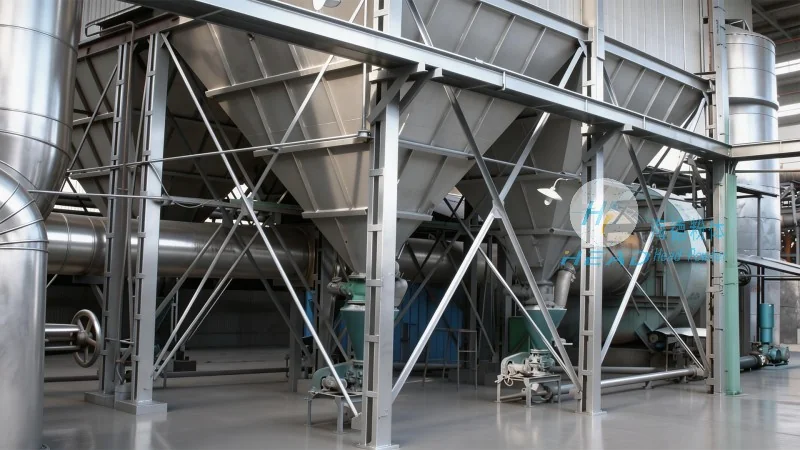
Shandong HeadPowder Engineering Co., Ltd. specializes in designing and manufacturing positive pressure pneumatic conveying systems tailored to the specific needs of calcium hydroxide powder applications. Their systems are engineered to handle the unique properties of calcium hydroxide, including its fine particle size and potential for caking, ensuring reliable and efficient material transport. The company’s expertise in material flow dynamics and system integration allows them to optimize the conveying process, reducing downtime and operational costs for clients.
Negative pressure conveying systems, also known as vacuum-assisted systems, operate by creating a vacuum in the conveying line, drawing material and air into the pipeline. This mode is often preferred for short-distance transport or when the material needs to be collected from multiple points. The primary advantage of negative pressure systems is their ability to handle materials that are sensitive to pressure or temperature changes, as the system operates at lower pressures. For calcium hydroxide powder, negative pressure systems are suitable for applications where the material is to be transported from a hopper or silo to a processing unit without the need for high-pressure operation. Additionally, negative pressure systems are generally more energy-efficient for short distances, as they require less power to maintain the vacuum compared to generating high pressure.
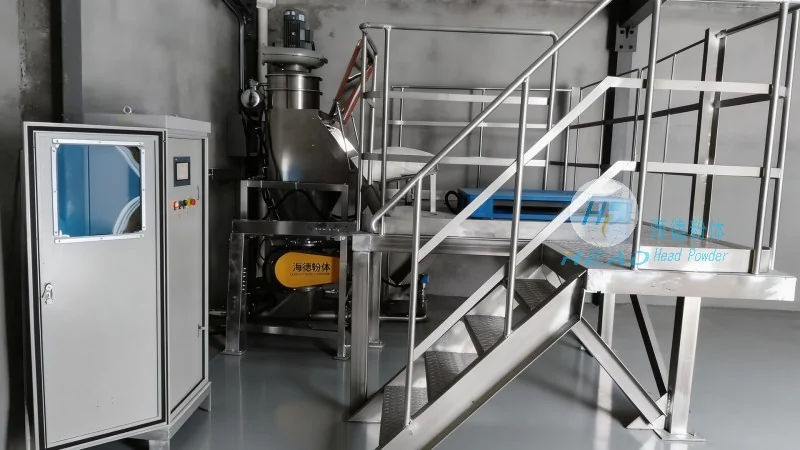
However, negative pressure systems have limitations when dealing with calcium hydroxide powder, particularly in terms of material loading capacity and the risk of dust leakage. The vacuum environment can sometimes lead to material degradation if the system is not properly sealed or if the material is prone to caking. Shandong HeadPowder Engineering Co., Ltd. offers negative pressure solutions that address these challenges through advanced filtration and sealing technologies, ensuring that the material remains intact during transport.
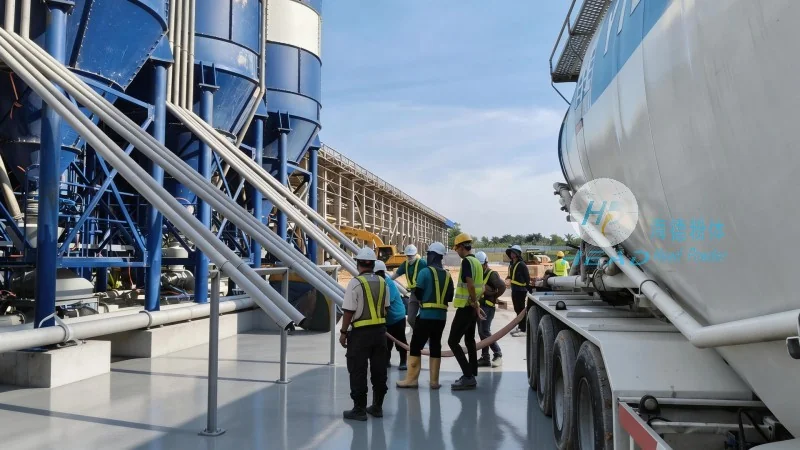
When selecting a pneumatic conveying system for calcium hydroxide powder, it is essential to evaluate the specific requirements of the application, including distance, material properties, and operational constraints. The table below summarizes the key differences between positive and negative pressure conveying modes:
| Conveying Mode | Operating Principle | Advantages | Limitations |
| Positive Pressure | Forces air and material through pipeline using a blower | High material load capacity, consistent flow, better material protection | Higher energy consumption, more complex system design |
| Negative Pressure | Draws material and air into pipeline using a vacuum | Energy-efficient for short distances, lower pressure on material | Lower material load capacity, risk of dust leakage, potential material degradation |

 Shandong Headpowder Engineering Co., Ltd.
 156-6277-7102(Manager Zhang)
  0531-83386006
  Zhangqiu District, Jinan City, Shandong Province, China
telephone
WeChatconsult
top