With more than 10‑year industry experience, Shandong Headpowder delivers full‑service pneumatic‑conveying systems and blowers, undertaking nationwide turn‑key powder‑handling projects.
HeadPowder, a leading provider in the field of material handling solutions, specializes in advanced pneumatic conveying systems tailored for industrial applications. This article provides a detailed comparison between positive pressure and negative pressure conveying systems, focusing on their application in handling cast iron fume—a critical material in the foundry industry. The analysis aims to help industry professionals make informed decisions when selecting the most suitable conveying method for their operations.
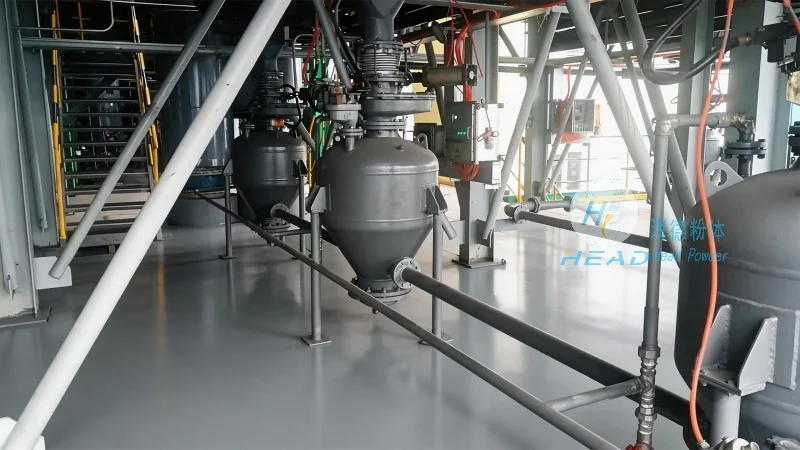
Pneumatic conveying is a widely used technique for transporting bulk materials through a pipeline using air or other gases. It offers advantages such as low maintenance, high efficiency, and the ability to handle materials that are difficult to transport via traditional methods. In the context of foundry operations, cast iron fume, a byproduct of metal casting processes, requires specialized handling due to its abrasive and potentially hazardous nature. The choice between positive pressure and negative pressure systems significantly impacts operational efficiency, safety, and cost-effectiveness.
Positive pressure conveying systems operate by blowing air or gas into the pipeline, creating a pressure higher than the ambient air pressure. This method is particularly effective for transporting materials over long distances or through complex piping networks. The system typically includes a blower, a material feed hopper, and a discharge point. The high-pressure air forces the material to move through the pipeline, ensuring consistent flow and preventing material settling. For cast iron fume, positive pressure systems are often preferred when dealing with large volumes or when the material needs to be conveyed to multiple destinations. The continuous airflow also helps in maintaining the material's dryness, reducing the risk of clogging or blockages. HeadPowder's positive pressure solutions are engineered to handle the abrasive properties of cast iron fume, featuring robust components like high-quality blowers and wear-resistant pipelines to ensure long-term reliability.
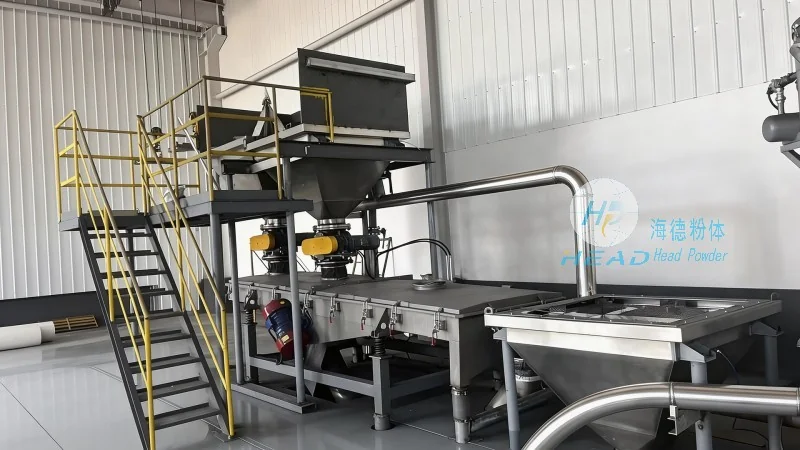
Negative pressure conveying, also known as vacuum or suction conveying, works by creating a vacuum in the pipeline, drawing material from the source into the system. This method is ideal for short-distance transport or when the material needs to be collected from multiple points. The system consists of a vacuum pump, a material collection hopper, and a discharge outlet. The vacuum pulls the material through the pipeline, making it suitable for applications where the material is generated at a fixed location and needs to be transported to a central processing unit. For cast iron fume, negative pressure systems are commonly used in foundries where the fume is generated in a localized area and needs to be collected and transported to a filtration or treatment unit. The low-pressure environment helps in controlling dust emissions and maintaining a clean working environment. HeadPowder's negative pressure solutions are designed with efficient vacuum pumps and sealed pipelines to minimize air leakage and ensure effective material collection.
When comparing positive and negative pressure conveying systems for cast iron fume, several factors must be considered. The primary difference lies in the direction of air flow and the pressure differential. Positive pressure systems use higher energy to push material, while negative pressure systems rely on lower energy to pull material. This affects the overall energy consumption and operational costs. Positive pressure systems are generally more suitable for long-distance or high-volume transport, as they can maintain consistent airflow and prevent material degradation. In contrast, negative pressure systems are more efficient for short distances and localized material collection, as they minimize the risk of dust dispersion and require less energy input. From a safety perspective, positive pressure systems may pose a higher risk of dust explosion due to the presence of high-pressure air, whereas negative pressure systems are safer as they operate under vacuum conditions. However, negative pressure systems require careful sealing to prevent air infiltration and maintain the vacuum level. HeadPowder's engineering team evaluates these factors to recommend the optimal system based on the specific requirements of each foundry operation.
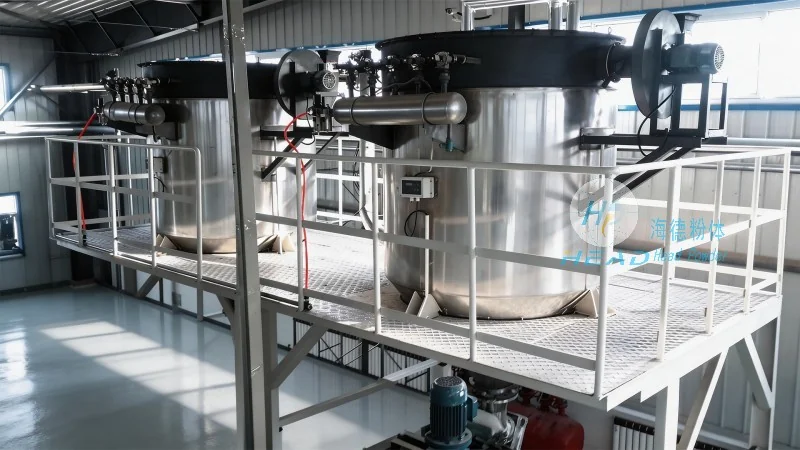
The choice between positive and negative pressure conveying for cast iron fume depends on several practical considerations. For foundries with large production volumes and multiple casting stations, positive pressure systems are often preferred due to their ability to handle high material throughput and distribute the material to various processing units. The system's design allows for easy integration with existing infrastructure, reducing installation time and costs. On the other hand, smaller foundries or those with localized fume generation may benefit from negative pressure systems, as they are more compact and require less space for installation. The cost of equipment is another critical factor. Positive pressure systems typically involve higher initial investment due to the need for powerful blowers and robust pipelines, but they offer lower operational costs over time. Negative pressure systems have lower initial costs but may incur higher maintenance expenses due to the wear and tear on vacuum pumps and seals. HeadPowder provides customized solutions that balance these factors, ensuring that clients achieve optimal performance and cost-effectiveness.
In conclusion, both positive pressure and negative pressure conveying systems offer viable options for handling cast iron fume in foundry operations. The selection of the appropriate system depends on factors such as material volume, transport distance, safety requirements, and cost considerations. HeadPowder, with its expertise in material handling solutions, provides comprehensive analysis and tailored systems to meet the unique needs of each client. By understanding the advantages and limitations of each method, foundries can enhance operational efficiency, improve safety, and reduce long-term costs. The company's commitment to quality and innovation ensures that clients receive reliable and efficient pneumatic conveying solutions for their cast iron fume handling needs.

 Shandong Headpowder Engineering Co., Ltd.
 156-6277-7102(Manager Zhang)
  0531-83386006
  Zhangqiu District, Jinan City, Shandong Province, China
telephone
WeChatconsult
top