

Technical Analysis of Fly Ash Particle Pneumatic Conveying Systems: Comparison of Positive Pressure
Shandong HeadPowder Engineering Co., Ltd., commonly known as headpowder, is a professional engineering company based in Shandong, China. The company specializes in the design, manufacturing, and installation of advanced pneumatic conveying systems, particularly for handling fly ash particles. With a strong focus on technological innovation and customer-centric solutions, headpowder has established itself as a reliable partner in the field of bulk material handling.
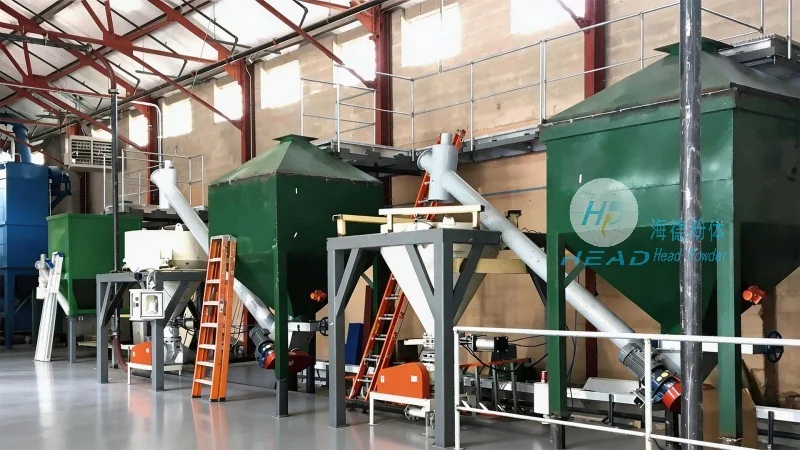
Pneumatic conveying systems are essential for transporting fly ash particles from production sites to storage or processing facilities. These systems utilize air or gas to move bulk materials through pipelines, offering a dust-free, efficient, and flexible solution compared to traditional methods like belt conveyors or trucks. The choice of delivery mode—positive pressure or negative pressure—significantly impacts system performance, cost, and operational considerations.
Positive Pressure Pneumatic Conveying Systems
Positive pressure systems operate by blowing air or gas into the conveying line, creating a pressure higher than the ambient air pressure. This method propels the fly ash particles through the pipeline. The system typically includes a blower or compressor at the inlet, which supplies the necessary pressure to move the material. One of the key advantages of positive pressure is its ability to handle long distances and multiple delivery points without significant pressure loss. It is particularly effective for applications requiring high material throughput and where the material is prone to bridging or caking. The positive pressure mode also allows for easier cleaning of the pipeline, as the system can be pressurized and flushed with air or inert gas.
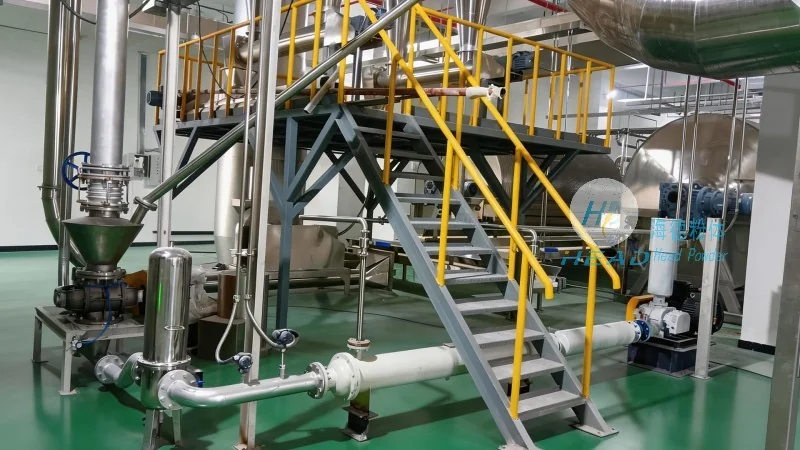
Negative Pressure Pneumatic Conveying Systems
Negative pressure systems, also known as suction systems, work by creating a vacuum at the inlet, drawing the fly ash particles into the pipeline. The system uses a vacuum pump or fan to reduce the pressure inside the line, causing the material to be drawn in. This mode is often preferred for applications where the material is to be collected from a source with a limited or variable supply, such as from a silo or hopper. Negative pressure systems are generally more suitable for shorter distances and lower material loads. They are also advantageous when the material is sensitive to high pressure or when the system needs to operate in a confined space. However, negative pressure systems may experience higher pressure drop over long distances and can be more prone to clogging if the material contains large particles or moisture.
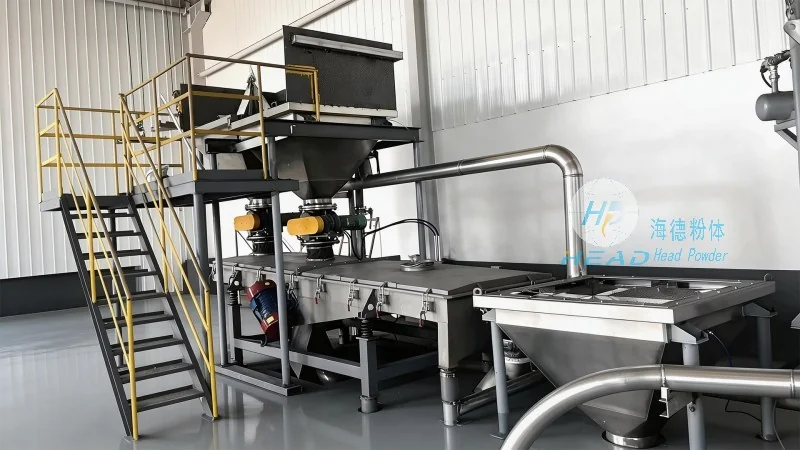
Comparison of Positive Pressure vs. Negative Pressure Delivery Modes
When selecting between positive and negative pressure pneumatic conveying systems for fly ash particle transport, several factors must be considered. The primary difference lies in the direction of air flow and the pressure differential. Positive pressure systems push the material, while negative pressure systems pull it. This fundamental difference impacts system efficiency, energy consumption, and maintenance requirements. Positive pressure systems generally consume more energy due to the continuous operation of the blower, but they offer better control over material flow and can handle larger particle sizes and higher throughput. Negative pressure systems, on the other hand, are more energy-efficient for short distances and can be more cost-effective for smaller applications. However, they may require more frequent maintenance of the vacuum pump and are less effective for long-distance transport or when dealing with abrasive materials.
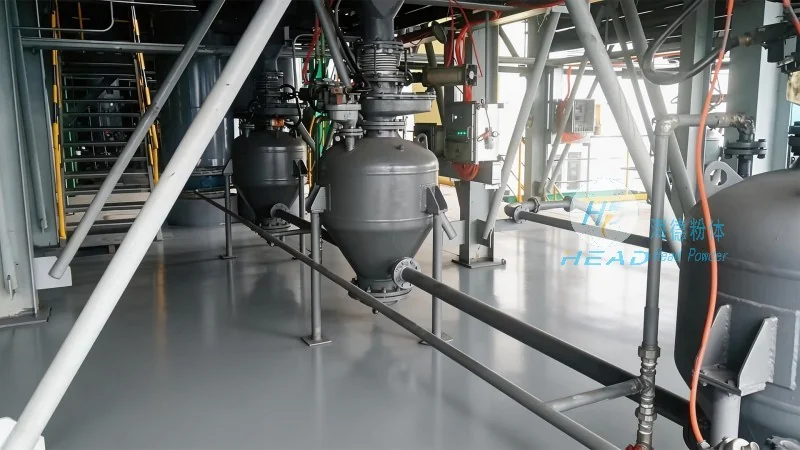
Application Considerations for Fly Ash Pneumatic Conveying
The choice between positive and negative pressure systems depends on the specific requirements of the fly ash handling process. For example, in power plants where fly ash is generated in large quantities and needs to be transported over long distances to a central storage facility, a positive pressure system is often preferred due to its ability to handle high volumes and maintain consistent pressure. Conversely, in smaller industrial settings where fly ash is collected from a limited source and transported to a nearby processing plant, a negative pressure system may be more suitable due to its lower energy consumption and simpler installation. Additionally, the physical properties of the fly ash, such as particle size distribution, moisture content, and abrasiveness, play a crucial role in system selection. Materials with high moisture content or fine particles may require additional equipment, such as a pre-drying or conditioning step, to ensure smooth operation in either delivery mode.
Conclusion and Recommendations
Both positive pressure and negative pressure pneumatic conveying systems offer viable solutions for fly ash particle transport, each with its own set of advantages and limitations. The optimal choice depends on factors like distance, material characteristics, throughput requirements, and operational budget. For applications demanding high efficiency and reliability, positive pressure systems are generally recommended, especially for long-distance or high-volume transport. Negative pressure systems are more appropriate for shorter distances, lower throughput, or when energy efficiency is a priority. Ultimately, a thorough technical analysis and site assessment are essential to determine the most suitable delivery mode for a specific fly ash handling project. Shandong HeadPowder Engineering Co., Ltd. provides comprehensive engineering services, including system design, equipment selection, and installation, to help clients choose and implement the most effective pneumatic conveying solution for their fly ash transport needs.