With more than 10‑year industry experience, Shandong Headpowder delivers full‑service pneumatic‑conveying systems and blowers, undertaking nationwide turn‑key powder‑handling projects.
Buckwheat hull pneumatic conveying systems are critical in processing industries for efficiently transporting bulk materials like buckwheat hulls. These systems utilize air pressure to move materials through pipelines, offering advantages over traditional mechanical conveying methods. Understanding the technical aspects of such systems, particularly the differences between positive pressure and negative pressure conveying modes, is essential for optimizing material handling processes.
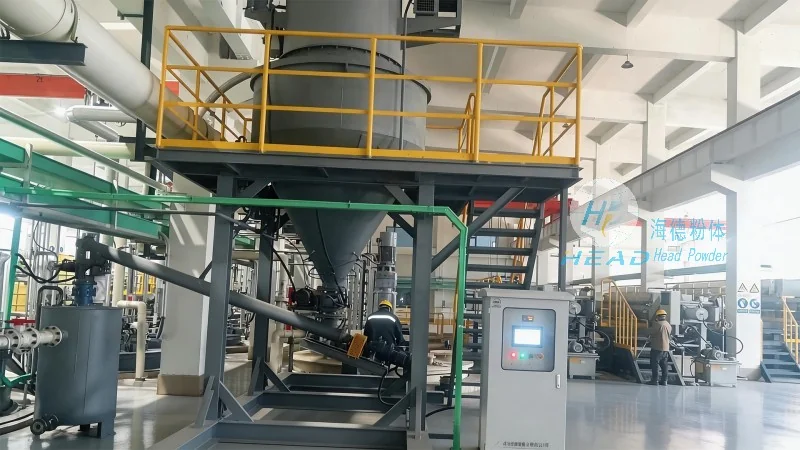
Shandong HeadPowder Engineering Co., Ltd., a leading manufacturer in the field, specializes in designing and supplying advanced pneumatic conveying solutions. With a focus on innovation and precision engineering, the company provides tailored systems that meet the specific needs of various industrial applications. HeadPowder's expertise in material handling technology ensures reliable and efficient operation of pneumatic conveying systems for clients across China and beyond.
Pneumatic conveying systems typically consist of several key components, including a material hopper, a conveyor line, a blower or compressor, and a receiver. The material hopper stores the bulk material, while the conveyor line transports it through the system. The blower or compressor generates the air pressure needed to move the material, and the receiver collects the material at the destination. Each component plays a crucial role in the overall efficiency and performance of the system.
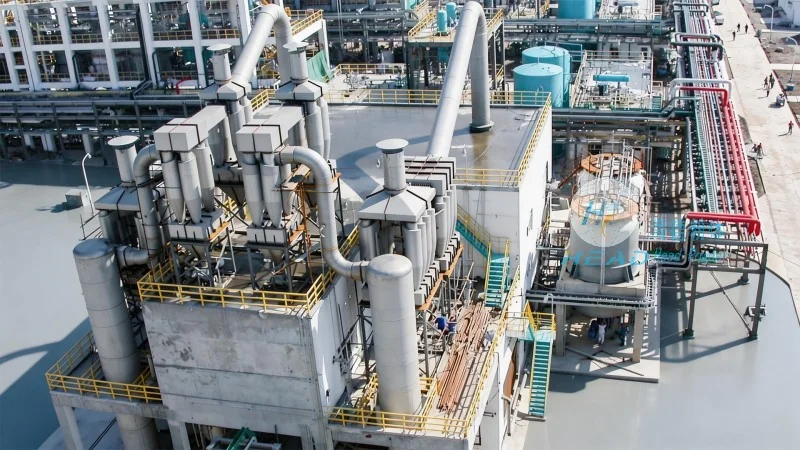
Positive pressure conveying, also known as pressure pneumatic conveying, operates by blowing air into the conveyor line under pressure. This method pushes the material forward through the pipeline. It is particularly effective for transporting materials over long distances or through complex system layouts. Positive pressure systems are often used in applications where the material is sensitive to moisture or contamination, as the sealed pipeline prevents external air from entering and the material from escaping. The system's design ensures consistent material flow and minimal product degradation.
Negative pressure conveying, or vacuum pneumatic conveying, operates by creating a vacuum in the conveyor line, which draws the material into the system. This method is suitable for shorter distances and simpler system configurations. Negative pressure systems are commonly used in applications where the material is light and dusty, as the vacuum helps to capture and transport fine particles effectively. However, these systems may be less efficient for transporting heavy or abrasive materials, as the vacuum pressure may not be sufficient to move them through the pipeline without additional assistance.
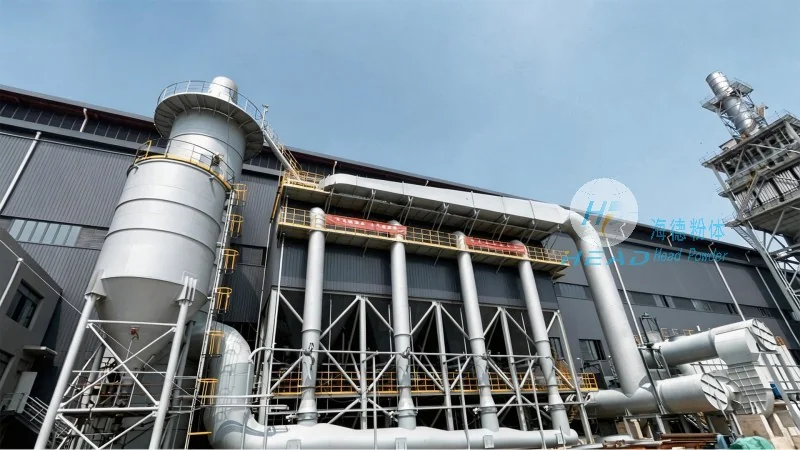
When comparing positive and negative pressure conveying modes, several factors need to be considered, including material characteristics, system distance, and operational efficiency. Positive pressure systems generally offer higher conveying rates and are more suitable for long-distance or complex layouts, while negative pressure systems are more cost-effective for short distances and simpler applications. The choice between the two modes depends on the specific requirements of the material handling process, including the material's density, moisture content, and particle size. Additionally, the system's design and maintenance requirements differ between the two modes, with positive pressure systems requiring more robust components to handle higher air pressures.
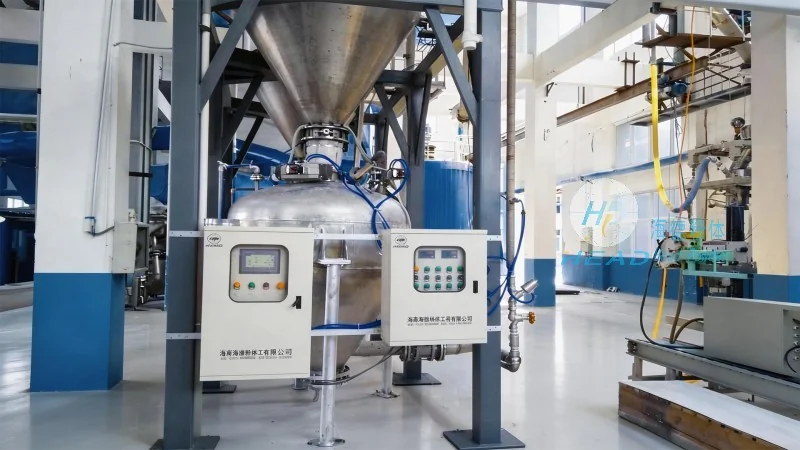
For buckwheat hull pneumatic conveying systems, the choice between positive and negative pressure modes impacts the overall efficiency and effectiveness of the process. Positive pressure systems may be preferred for transporting buckwheat hulls over longer distances or through multiple processing stages, as they can maintain consistent material flow and prevent product degradation. Negative pressure systems, on the other hand, may be suitable for shorter transport distances or when the hulls are being collected from a single source. The key advantages of pneumatic conveying for buckwheat hulls include reduced labor costs, minimized product contamination, and improved safety compared to manual handling methods. However, the system's initial investment and energy consumption must be considered, as well as the need for regular maintenance to ensure optimal performance.
Choosing between positive and negative pressure conveying modes for buckwheat hull pneumatic conveying systems requires a thorough evaluation of the specific application requirements. Shandong HeadPowder Engineering Co., Ltd. provides expert guidance and customized solutions to help clients select the most appropriate system for their needs. By understanding the technical differences between the two modes and considering factors such as material characteristics, system distance, and operational efficiency, businesses can optimize their material handling processes and improve overall productivity. With the right pneumatic conveying system, buckwheat hulls can be transported efficiently and reliably, supporting the success of various industrial applications.

 Shandong Headpowder Engineering Co., Ltd.
 156-6277-7102(Manager Zhang)
  0531-83386006
  Zhangqiu District, Jinan City, Shandong Province, China
telephone
WeChatconsult
top