With more than 10‑year industry experience, Shandong Headpowder delivers full‑service pneumatic‑conveying systems and blowers, undertaking nationwide turn‑key powder‑handling projects.
When it comes to transporting powders and bulk materials, selecting the right pneumatic conveying system is crucial for efficiency, cost-effectiveness, and operational safety. Two primary methods dominate the industry: positive pressure and negative pressure systems. Understanding the differences between these two approaches is essential for making an informed decision that aligns with your specific material handling needs. This article will explore the key characteristics of both positive and negative pressure pneumatic conveying systems, helping you identify which option is best suited for your application.
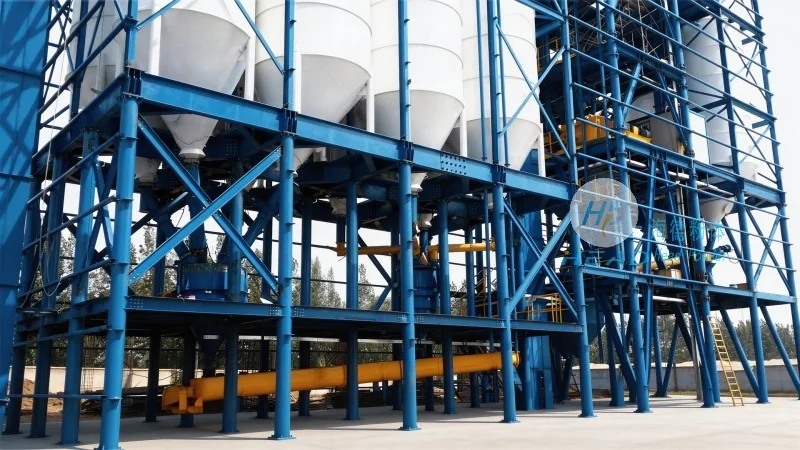
Pneumatic conveying systems use air or gas to transport solid materials through a pipeline. The choice between positive and negative pressure systems depends on factors such as material properties, distance, volume, and the desired level of control. Both systems have their advantages and limitations, and the right choice can significantly impact the overall performance and reliability of your material handling operation.
Positive pressure systems operate by blowing air or gas into the conveying line, creating a pressure higher than the ambient air pressure. This method is commonly used for short to medium distances and for materials that are sensitive to moisture or contamination. The high-pressure air forces the material through the pipeline, ensuring consistent flow and preventing material degradation. Positive pressure systems are often preferred for applications where the material is being transported from a central source to multiple destinations, as they can easily branch out to different points.
A key advantage of positive pressure systems is their ability to handle abrasive or corrosive materials without damaging the equipment. The high pressure also helps maintain the integrity of the material, making it suitable for products like food, pharmaceuticals, and chemicals that require strict quality control. However, these systems may require more robust equipment and higher energy consumption compared to negative pressure systems, especially for long-distance transport.
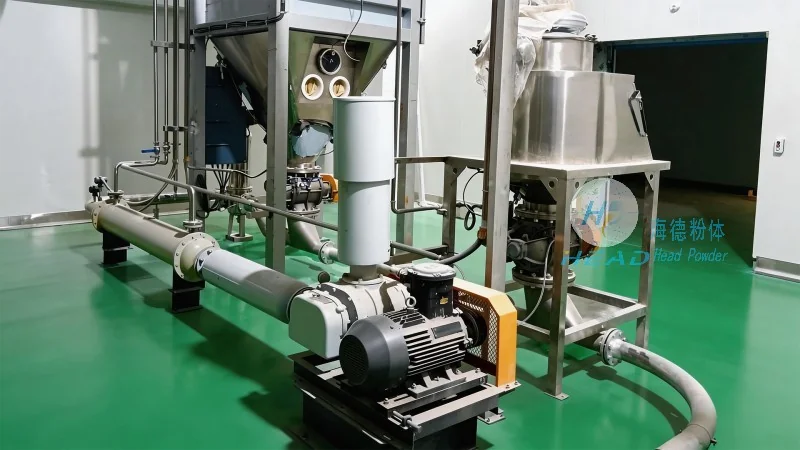
Negative pressure systems, also known as vacuum systems, operate by creating a vacuum in the conveying line, drawing material from the source into the pipeline. This method is ideal for long-distance transport and for materials that are light or easily airborne. The vacuum pulls the material through the system, making it suitable for applications where the material needs to be collected from multiple points and transported to a central location.
One of the main benefits of negative pressure systems is their lower energy consumption compared to positive pressure systems, especially for long distances. They are also more suitable for handling fine powders or dust, as the vacuum helps prevent material loss and contamination. However, negative pressure systems may be less effective for handling abrasive or heavy materials, as the vacuum can sometimes lead to material degradation or blockages in the pipeline.
So, how can you tell which system is right for your needs? The primary factors to consider include the distance of transport, the material properties, and the number of collection points. For short to medium distances and for materials that are sensitive to moisture or contamination, positive pressure systems are often the better choice. They offer better control over the material flow and are more suitable for branching out to multiple destinations. On the other hand, negative pressure systems are ideal for long-distance transport and for handling light or fine powders, as they are more energy-efficient and can handle multiple collection points without the need for branching.
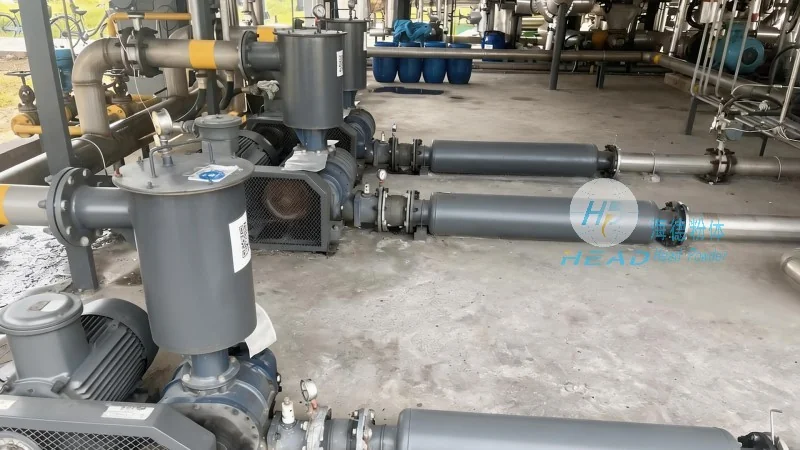
Another important consideration is the equipment required for each system. Positive pressure systems typically require high-pressure blowers and robust pipelines, while negative pressure systems use vacuum pumps and may need additional filtration to prevent dust from escaping. The choice of system also impacts maintenance and operational costs, with positive pressure systems generally requiring more frequent maintenance due to the higher pressure and wear on components.
Choosing between positive and negative pressure pneumatic conveying systems is a critical decision that can impact the efficiency and reliability of your material handling operation. By understanding the characteristics of each system and considering factors such as distance, material properties, and operational requirements, you can select the right system for your needs. Whether you opt for a positive pressure system for its control and material integrity or a negative pressure system for its energy efficiency and long-distance capabilities, the key is to align your choice with your specific application to achieve optimal results.
Shandong HeadPowder Engineering Co., Ltd., a leading provider of pneumatic conveying solutions, specializes in designing and manufacturing customized systems tailored to the unique needs of each client. With years of experience in the industry, HeadPowder offers a range of positive and negative pressure systems, ensuring that you get the right solution for your material handling challenges. Based in Shandong, China, HeadPowder combines advanced technology with expert engineering to deliver high-quality, reliable systems that meet the highest standards of performance and safety.

 Shandong Headpowder Engineering Co., Ltd.
 156-6277-7102(Manager Zhang)
  0531-83386006
  Zhangqiu District, Jinan City, Shandong Province, China
telephone
WeChatconsult
top