With more than 10‑year industry experience, Shandong Headpowder delivers full‑service pneumatic‑conveying systems and blowers, undertaking nationwide turn‑key powder‑handling projects.
Acrylic esters rubber material handling equipment is a specialized type of machinery designed to transport and manage materials in industrial settings. This equipment is particularly valued for its ability to handle a wide range of materials, including those that are abrasive, corrosive, or have unique physical properties. The design of such equipment is crucial, as it directly impacts efficiency, safety, and the longevity of the system. In this article, we will explore the fundamental aspects of acrylic esters rubber material handling equipment and delve into the key design principles that govern its operation.
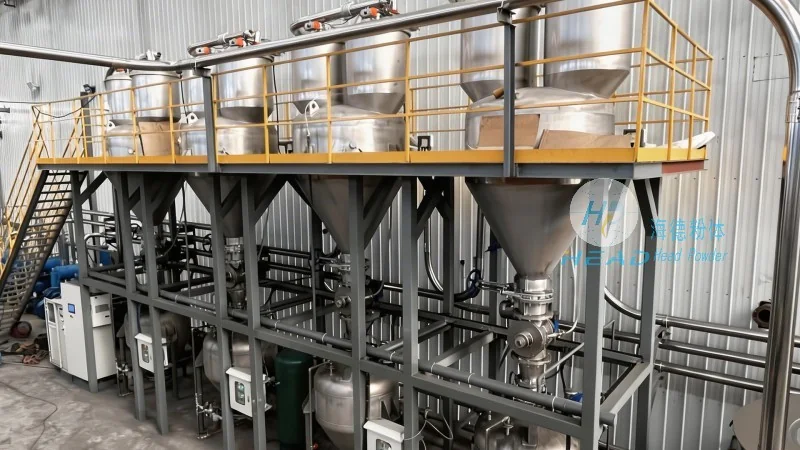
Acrylic esters rubber material handling equipment is engineered to facilitate the movement of bulk materials from one location to another within a manufacturing or processing facility. These systems are commonly used in industries such as chemicals, pharmaceuticals, food processing, and mining, where materials may be sensitive to temperature, pressure, or contamination. The primary components of this equipment typically include a conveyor system, feeding mechanisms, control panels, and protective enclosures. The choice of acrylic esters rubber as the material for the conveyor belt or other contact surfaces is deliberate, as it offers exceptional resistance to chemicals, oils, and high temperatures, making it ideal for handling aggressive or hazardous materials.
Acrylic esters rubber is a synthetic polymer that combines the flexibility of rubber with the chemical resistance of esters. This combination provides several advantages for material handling applications. First, it offers superior resistance to a wide array of chemicals, including acids, bases, and solvents, which is critical when handling corrosive materials. Second, it maintains its mechanical properties over a broad temperature range, ensuring consistent performance in both hot and cold environments. Third, the material is highly durable and can withstand repeated flexing and abrasion, reducing the need for frequent maintenance or replacement. These characteristics make acrylic esters rubber an ideal choice for conveyor belts, idlers, and other components that come into direct contact with the material being transported.
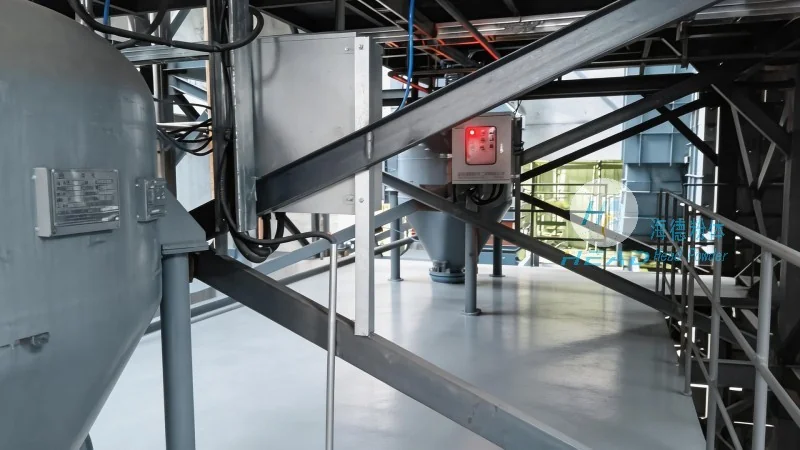
The design of acrylic esters rubber material handling equipment is guided by several key principles that ensure optimal performance and safety. The first principle is the selection of appropriate materials for all components, including the conveyor belt, rollers, and frame. Acrylic esters rubber is selected for its chemical resistance and durability, but other materials such as stainless steel or corrosion-resistant alloys may be used for structural parts to provide additional strength and longevity. The second principle is the consideration of the material's physical properties, such as its density, flowability, and moisture content, to determine the optimal conveyor speed and angle. For example, cohesive or sticky materials may require a higher conveyor speed or a different belt surface texture to prevent material buildup or blockages. The third principle is the integration of safety features, such as emergency stop buttons, overload protection, and protective guards, to minimize the risk of accidents and ensure compliance with safety regulations. Additionally, the design should incorporate easy access points for maintenance and cleaning to reduce downtime and maintenance costs.
Acrylic esters rubber material handling equipment offers several key features and benefits that make it a preferred choice for many industries. One of the most significant benefits is its ability to handle a wide variety of materials, including those that are difficult to transport with traditional rubber or metal conveyor systems. The chemical resistance of acrylic esters rubber allows it to handle corrosive or hazardous materials without degradation, reducing the risk of contamination or equipment failure. Another benefit is its durability and long service life, which reduces the need for frequent replacements and lowers overall operational costs. The equipment is also designed for easy maintenance, with accessible components and simple cleaning procedures that minimize downtime. Furthermore, the use of acrylic esters rubber can improve the efficiency of material handling processes by reducing material loss and improving throughput. The smooth surface of the conveyor belt can prevent material sticking, while the appropriate belt tension ensures consistent material flow, leading to higher productivity and lower energy consumption.
Acrylic esters rubber material handling equipment is widely used in various industries due to its versatility and reliability. In the chemical industry, it is used to transport corrosive chemicals, solvents, and other hazardous materials. The equipment can handle materials that would degrade or react with traditional rubber or metal systems, ensuring safe and efficient transport. In the pharmaceutical industry, it is used to handle sensitive materials, such as powders and granules, that require a clean and controlled environment. The chemical resistance and low contamination risk of acrylic esters rubber make it suitable for pharmaceutical applications where product purity is critical. In the food processing industry, it is used to transport food products, such as grains, powders, and snacks, that may be sensitive to moisture or temperature. The equipment can handle these materials without affecting their quality or safety. In the mining industry, it is used to transport minerals and ores, which are often abrasive and heavy. The durability and strength of acrylic esters rubber make it ideal for handling these materials, reducing wear and tear on the equipment and extending its service life.
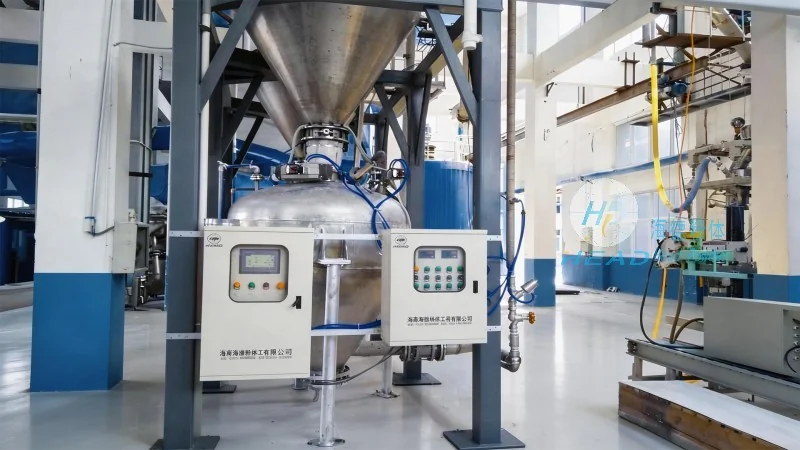
Proper maintenance and care are essential to ensure the longevity and optimal performance of acrylic esters rubber material handling equipment. Regular inspection of the conveyor belt and rollers is necessary to detect any signs of wear, damage, or contamination. The belt should be checked for cracks, fraying, or uneven wear, which can indicate the need for replacement or adjustment. The rollers should be lubricated regularly to ensure smooth operation and prevent friction-related damage. Cleaning the equipment after each use is also important to remove any material buildup or debris that could affect performance. The use of appropriate cleaning agents and tools is recommended to avoid damaging the acrylic esters rubber surface. Additionally, it is important to follow the manufacturer's guidelines for maintenance and operation to ensure compliance with safety regulations and warranty requirements. Regular maintenance can help prevent breakdowns, reduce downtime, and extend the service life of the equipment, ultimately leading to lower operational costs and higher productivity.
Acrylic esters rubber material handling equipment is a reliable and versatile solution for transporting and managing materials in various industrial applications. The design principles that govern its operation, including the selection of appropriate materials, consideration of material properties, and integration of safety features, ensure optimal performance and safety. The benefits of using acrylic esters rubber, such as chemical resistance, durability, and ease of maintenance, make it a preferred choice for many industries. By understanding the key aspects of this equipment and following proper maintenance procedures, businesses can improve their material handling efficiency, reduce costs, and ensure the safety of their operations. As technology continues to advance, the development of new materials and designs will further enhance the capabilities of acrylic esters rubber material handling equipment, making it an even more valuable asset in industrial settings.

 Shandong Headpowder Engineering Co., Ltd.
 156-6277-7102(Manager Zhang)
  0531-83386006
  Zhangqiu District, Jinan City, Shandong Province, China
telephone
WeChatconsult
top