With more than 10‑year industry experience, Shandong Headpowder delivers full‑service pneumatic‑conveying systems and blowers, undertaking nationwide turn‑key powder‑handling projects.
HeadPowder, a leading provider of engineering solutions in China, specializes in the design and implementation of advanced pneumatic conveying systems for silage material handling. This technical analysis delves into the key differences between positive pressure and negative pressure delivery modes, offering insights into their operational characteristics, advantages, and practical applications.
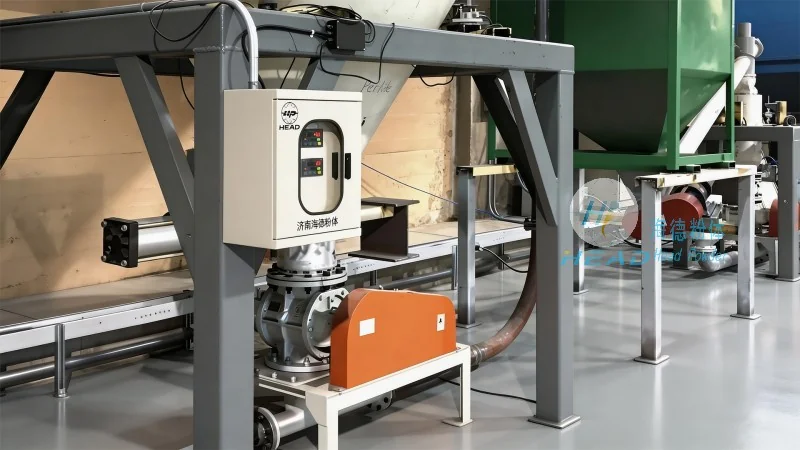
Silage, a fermented forage used in livestock feeding, requires efficient and hygienic handling to preserve its nutritional value and prevent spoilage. Pneumatic conveying systems have emerged as a preferred method for transporting silage from storage silos to feeding areas due to their ability to handle bulk materials with minimal human intervention. The choice between positive pressure and negative pressure systems depends on factors such as material properties, system layout, and operational requirements.
Positive pressure systems operate by blowing air or a carrier gas into the material stream, creating a pressure higher than the ambient environment. This mode is particularly effective for transporting dry or moderately moist silage, as the pressurized air helps to break down clumps and maintain material flow. The primary advantage of positive pressure systems is their ability to handle long, complex conveying lines with multiple transfer points, as the pressure ensures consistent material movement. However, they may require more robust equipment and higher energy consumption compared to negative pressure systems.
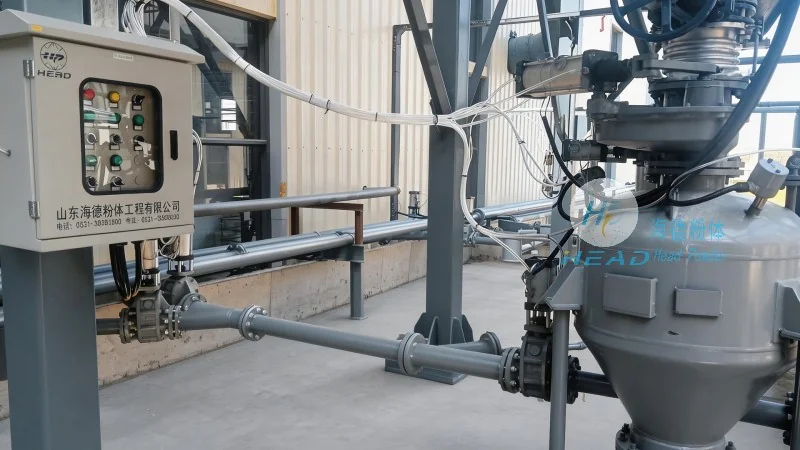
Negative pressure systems, conversely, draw material into the system by creating a vacuum or lower pressure than the ambient air. This mode is often preferred for handling dusty or fine silage particles, as the suction action helps to maintain material integrity and prevent dust dispersion. Negative pressure systems typically have lower energy requirements and are more suitable for shorter conveying distances or systems with fewer transfer points. Nevertheless, they may be less effective for long-distance or high-capacity applications due to potential material blockages and higher maintenance needs.
When comparing positive and negative pressure systems, several performance metrics and operational aspects come into play. Positive pressure systems generally offer higher conveying capacities and are more adaptable to complex layouts, making them ideal for large-scale agricultural operations. In contrast, negative pressure systems excel in environments where dust control and material preservation are critical, such as in feed mills or processing facilities. The choice of system also depends on the specific characteristics of the silage material, including moisture content, particle size, and density, as these factors influence the system's efficiency and reliability.
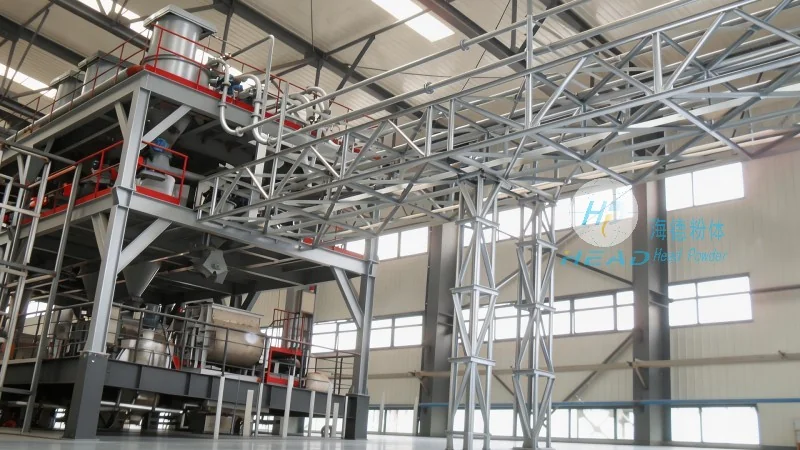
Positive pressure systems provide several benefits, including improved material flow control, reduced risk of blockages, and enhanced system flexibility. They are also better suited for handling abrasive or corrosive silage components, as the pressurized air helps to protect equipment from wear and tear. However, the higher energy consumption and potential for increased dust generation are notable limitations. Negative pressure systems, on the other hand, offer advantages such as lower energy costs and better dust containment, making them more environmentally friendly. Their limitations include lower conveying capacities, higher maintenance requirements, and potential issues with material buildup in the suction line.
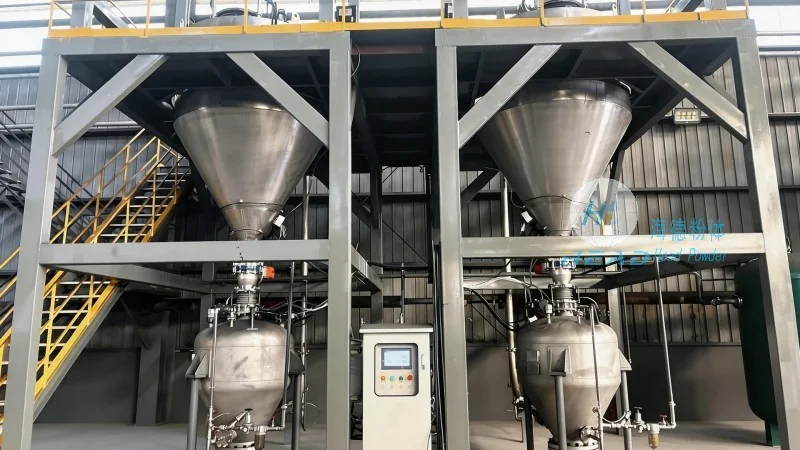
The selection of a pneumatic conveying system for silage material handling should be guided by specific operational needs and site conditions. For example, positive pressure systems are often preferred in large dairy farms where long conveying distances and multiple transfer points are common. Negative pressure systems may be more suitable for smaller feedlots or processing plants with shorter transport requirements and a focus on dust control. Additionally, the system design must consider factors such as silo size, material storage conditions, and the need for hygienic handling, as these elements directly impact the overall efficiency and effectiveness of the delivery process.
Both positive pressure and negative pressure pneumatic conveying systems offer viable solutions for silage material handling, each with distinct advantages and limitations. The optimal choice depends on the specific requirements of the agricultural operation, including material characteristics, system layout, and operational goals. By understanding the technical differences and performance metrics of each mode, farmers and agricultural engineers can select the most appropriate system to ensure efficient, hygienic, and cost-effective silage delivery. HeadPowder, with its expertise in engineering and material handling, provides tailored solutions that address the unique needs of each client, ensuring reliable and sustainable silage processing and distribution.

 Shandong Headpowder Engineering Co., Ltd.
 156-6277-7102(Manager Zhang)
  0531-83386006
  Zhangqiu District, Jinan City, Shandong Province, China
telephone
WeChatconsult
top