

Technical Analysis of Alumina Crystal Pneumatic Conveying Systems: Comparison of Positive Pressure v
Alumina crystals, a critical material in various industrial applications, require efficient and reliable transport methods to maintain product integrity and operational efficiency. Pneumatic conveying systems have emerged as a preferred solution for handling these delicate materials, offering advantages such as reduced contamination, lower energy consumption, and enhanced safety compared to traditional methods like belt conveyors or bucket elevators. This technical analysis focuses on the two primary pneumatic conveying modes—positive pressure and negative pressure—and compares their applications, performance characteristics, and suitability for alumina crystal transport.
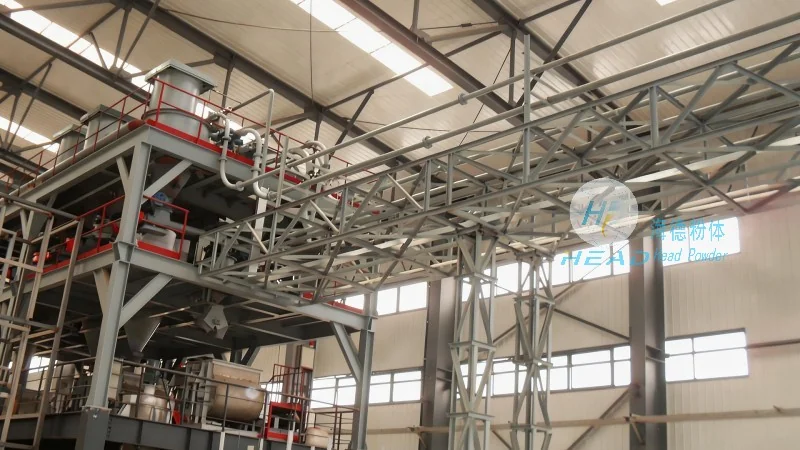
Company Profile: Shandong HeadPowder Engineering Co., Ltd.
HeadPowder, a leading engineering firm based in Shandong, China, specializes in the design, manufacturing, and installation of advanced material handling systems. With years of experience in the powder and bulk material industry, the company has developed expertise in optimizing pneumatic conveying solutions for diverse applications, including alumina processing. HeadPowder's commitment to innovation and customer-centric solutions ensures that their systems are tailored to meet the specific needs of each project, delivering reliable performance and long-term value.
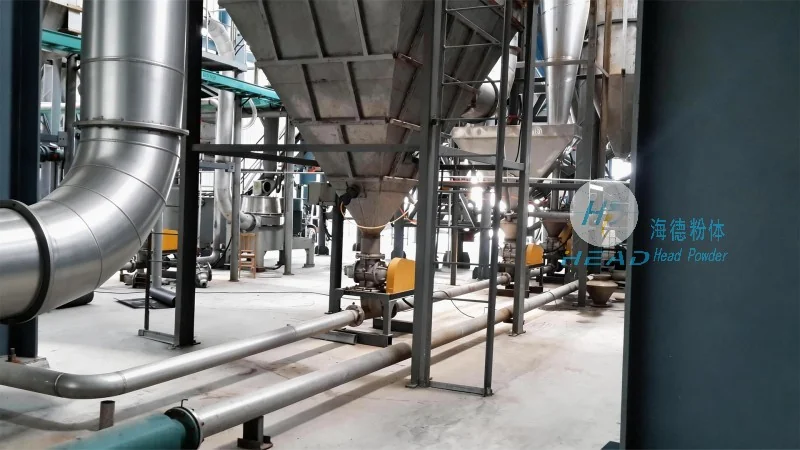
Positive Pressure Pneumatic Conveying Systems
Positive pressure systems operate by generating air pressure within the conveying line, pushing the material from the source to the destination. This mode is particularly effective for long-distance or high-rise applications, as it can overcome significant elevation changes and resistance in the pipeline. For alumina crystal transport, positive pressure systems often utilize high-pressure blowers or compressors to maintain a consistent flow of air and material. The system typically includes a hopper, a rotary airlock valve, and a conveying line, with the material being drawn into the air stream by the pressure differential. One key advantage of positive pressure is its ability to handle abrasive or corrosive materials, as the air pressure helps to prevent material buildup and maintain pipeline cleanliness. However, it may require more maintenance due to the higher pressure components and can be less energy-efficient for short-distance applications compared to negative pressure systems.
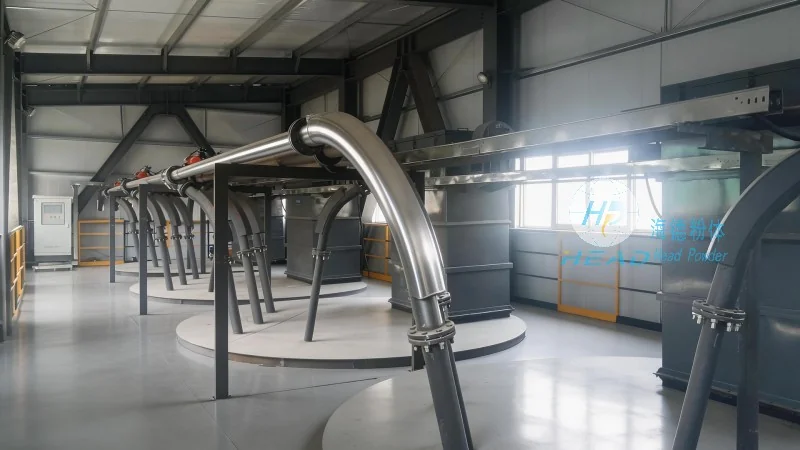
Negative Pressure Pneumatic Conveying Systems
Negative pressure systems, also known as vacuum conveying, operate by creating a vacuum in the conveying line, drawing material from the source into the system. This mode is ideal for short-distance or low-rise applications, as it is more energy-efficient for shorter distances and can handle materials that are sensitive to pressure changes. For alumina crystals, negative pressure systems often use vacuum pumps to create the necessary suction force, with the material being fed into the line through a hopper or feeder. The system typically includes a vacuum receiver, a filter, and a conveying line, with the material being pulled into the vacuum by the pressure difference. A significant advantage of negative pressure is its lower operating cost for short distances, as it requires less energy to maintain the vacuum compared to the higher pressure needed in positive pressure systems. However, it may have limitations in handling large volumes or abrasive materials, as the vacuum can cause material to stick to the pipeline walls, leading to blockages or reduced efficiency.
Comparison of Positive and Negative Pressure Modes for Alumina Crystal Transport
When selecting a pneumatic conveying system for alumina crystals, the choice between positive and negative pressure modes depends on several factors, including the distance between the source and destination, the elevation difference, the material characteristics, and the operational requirements. Positive pressure systems are generally more suitable for long-distance or high-rise applications, as they can effectively handle the increased resistance and elevation changes. They are also better suited for abrasive or corrosive materials, as the high pressure helps to maintain pipeline integrity and prevent material buildup. On the other hand, negative pressure systems are more energy-efficient for short distances and are ideal for handling sensitive materials that are prone to degradation under high pressure. For alumina crystals, which are often delicate and require careful handling, negative pressure systems may be preferred for short-distance transport to minimize the risk of breakage or contamination. However, for large-scale or long-distance alumina processing facilities, positive pressure systems may be more practical due to their ability to handle higher volumes and maintain consistent flow rates.
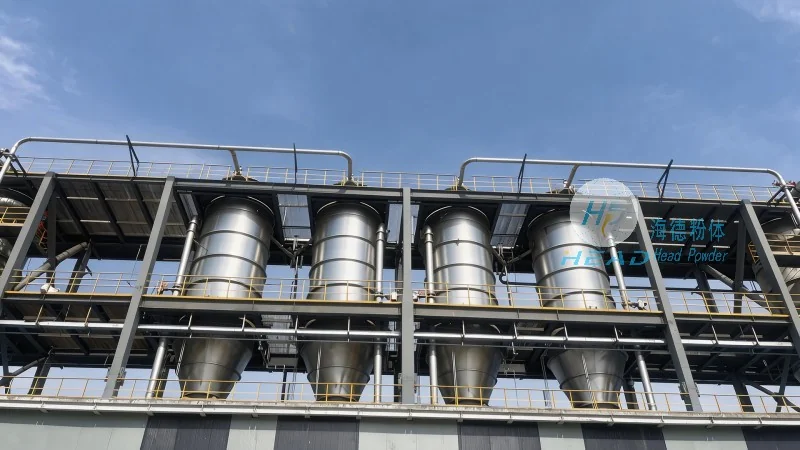
Key Considerations for Alumina Crystal Pneumatic Conveying
Regardless of the chosen mode—positive or negative pressure—several key considerations must be addressed to ensure optimal performance and product integrity. First, the material characteristics of alumina crystals, such as their particle size, density, and moisture content, play a critical role in system design. Larger or more abrasive particles may require higher air velocities or specialized equipment to prevent blockages or wear on the pipeline. Second, the system's capacity and flow rate must be matched to the production requirements, ensuring that the conveying rate is sufficient to meet the demand without causing excessive pressure drops or energy consumption. Third, the system's maintenance and operational costs must be considered, as both positive and negative pressure systems require regular upkeep to maintain efficiency and prevent downtime. Finally, the environmental and safety aspects of the system must be addressed, as alumina crystals are often handled in environments where dust control and explosion prevention are critical. HeadPowder's expertise in designing and implementing customized pneumatic conveying solutions ensures that these considerations are addressed effectively, providing clients with reliable and efficient systems tailored to their specific needs.