

What is a Talc Powder Pneumatic Conveying System? And What Are Its Design Principles?
Talc powder, a widely used industrial mineral, often requires efficient and reliable transportation methods for processing and distribution. A talc powder pneumatic conveying system offers a solution by utilizing air to move the material from one location to another. This technology is essential in industries such as cosmetics, pharmaceuticals, and ceramics, where maintaining the purity and quality of talc powder is critical. The design of such systems must consider various factors, including the physical properties of talc powder, operational requirements, and environmental regulations.
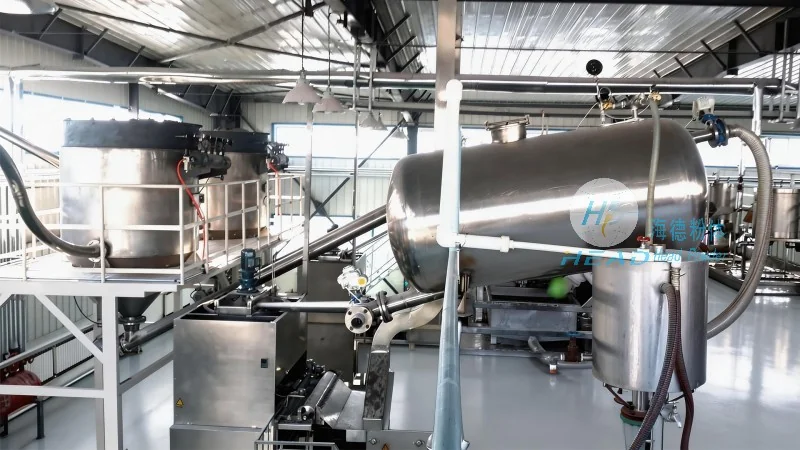
The Fundamental Principles of Pneumatic Conveying for Talc Powder
Pneumatic conveying operates on the principle of using compressed air to transport bulk materials through a pipeline. In the case of talc powder, which is typically a fine, dry powder with specific particle size and flow characteristics, the system must be designed to handle these properties effectively. The primary types of pneumatic conveying systems include dilute-phase and dense-phase, each with distinct advantages and applications. Dilute-phase systems use low air velocities to transport material, while dense-phase systems employ higher air velocities and often include a venturi or other acceleration devices to ensure efficient movement. For talc powder, the choice between these systems depends on factors like the distance to be covered, the required flow rate, and the need to minimize material degradation or segregation.
Key Components of a Talc Powder Pneumatic Conveying System
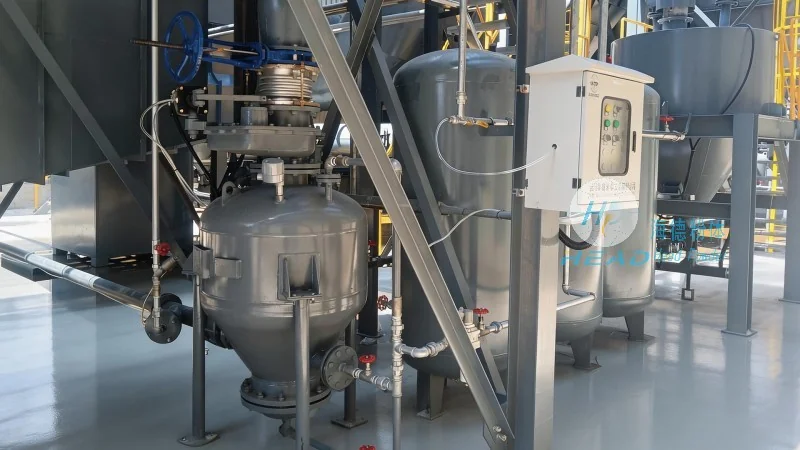
A typical talc powder pneumatic conveying system consists of several key components that work together to ensure smooth operation. These include a material feed hopper, a rotary valve or feeder to control the flow of talc powder into the system, a compressor or blower to generate the necessary air pressure, a pipeline network to transport the material, and a receiver or discharge hopper to collect the material at the destination. Additional components may include filters, cyclones, and dust collectors to maintain air quality and prevent material loss. The design of each component must be tailored to the specific characteristics of talc powder, such as its moisture content, particle size distribution, and flowability, to ensure optimal performance and minimize maintenance issues.
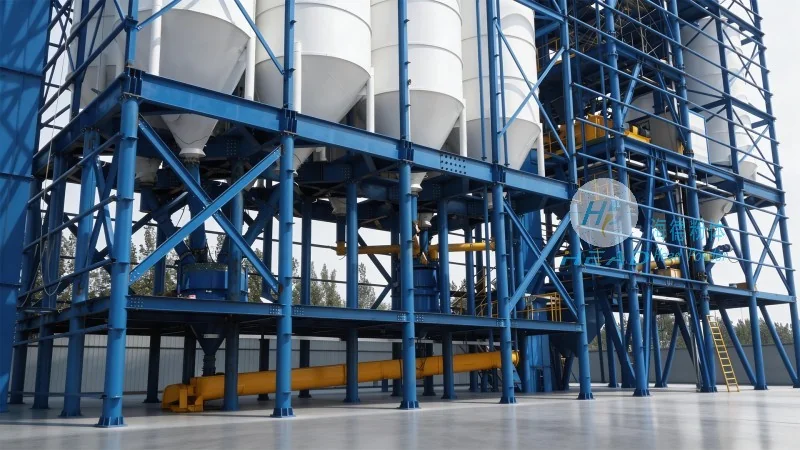
Design Considerations for Talc Powder Pneumatic Conveying Systems
The design of a talc powder pneumatic conveying system involves careful consideration of several technical and operational factors. One of the most critical aspects is the selection of the appropriate air velocity and pressure. Excessive air velocity can lead to material degradation, increased energy consumption, and higher maintenance costs, while insufficient velocity may cause blockages or poor material transport. Engineers must calculate the required air velocity based on the material's properties, such as its particle size, density, and flowability, using established formulas and empirical data. Another important factor is the pipeline diameter and length, as these directly impact the system's efficiency and energy consumption. Larger pipelines reduce pressure drop but increase initial costs, while shorter pipelines may require higher air pressure and more frequent maintenance. The system's layout, including the number and placement of bends, elbows, and valves, also plays a crucial role in maintaining consistent flow and preventing material buildup or segregation.
About Shandong HeadPowder Engineering Co., Ltd.
Shandong HeadPowder Engineering Co., Ltd., commonly known as HeadPowder, is a leading manufacturer and supplier of industrial conveying systems, including talc powder pneumatic conveying solutions. With years of experience in the field, HeadPowder specializes in designing and manufacturing customized systems tailored to the unique needs of its clients. The company's headquarters is located in Shandong, China, where it operates a state-of-the-art manufacturing facility equipped with advanced technology and skilled personnel. HeadPowder's commitment to quality and innovation has made it a trusted partner for industries worldwide, providing reliable and efficient conveying solutions that meet the highest standards of performance and durability.
Conclusion: The Importance of Proper Design in Talc Powder Pneumatic Conveying
Designing an effective talc powder pneumatic conveying system requires a deep understanding of both the material being transported and the principles of pneumatic conveying. By carefully considering factors such as air velocity, pipeline design, and component selection, engineers can create a system that maximizes efficiency, minimizes energy consumption, and ensures the quality of the talc powder. Companies like Shandong HeadPowder Engineering Co., Ltd. play a vital role in providing these specialized systems, leveraging their expertise and experience to deliver solutions that meet the diverse needs of industrial applications. As the demand for high-quality talc powder continues to grow, the importance of reliable and efficient conveying systems will only increase, making the design and implementation of these systems a critical aspect of industrial operations.