With more than 10‑year industry experience, Shandong Headpowder delivers full‑service pneumatic‑conveying systems and blowers, undertaking nationwide turn‑key powder‑handling projects.
For industrial applications requiring the efficient and safe transport of dry lime, understanding the mechanics and design principles of a dry lime pneumatic conveying system is crucial. This article explores the fundamental aspects of such systems, detailing their operation, key design considerations, and the components that ensure reliable performance. HeadPowder, a leading manufacturer based in Shandong, China, specializes in providing tailored solutions for dry lime handling, emphasizing both functionality and safety in their engineering approach.
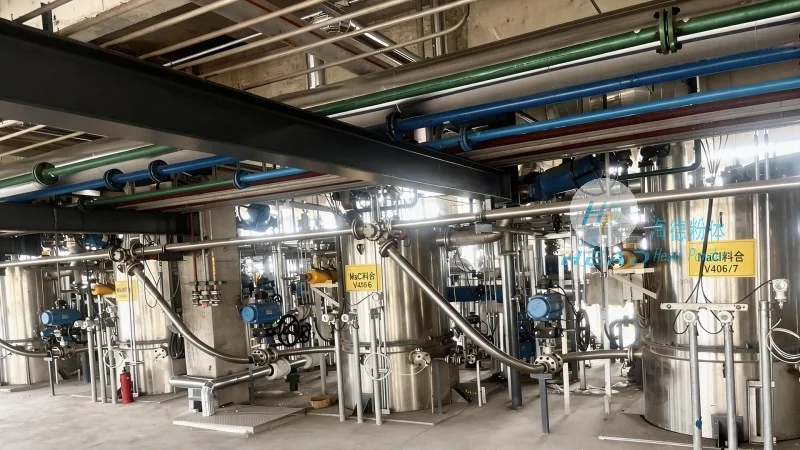
A dry lime pneumatic conveying system is a specialized equipment setup designed to transport dry lime powder through a pipeline using compressed air or other gas as the conveying medium. This method offers advantages over traditional bulk handling methods, such as reduced material degradation, minimized dust exposure, and enhanced process control. The system is widely used in industries like chemical processing, water treatment, and flue gas desulfurization, where precise and efficient lime delivery is essential for operational efficiency and environmental compliance.
The primary function of a dry lime pneumatic conveying system is to move dry lime from a storage or processing point to a destination, such as a reactor or a storage silo. The process typically involves several stages: material feeding, air induction, conveying, and discharge. The system relies on the principle of fluidization, where the dry lime particles are suspended and transported by the moving air stream. This method allows for continuous, automated operation, reducing labor costs and improving overall productivity. HeadPowder’s systems are engineered to handle varying lime particle sizes and moisture content, ensuring consistent performance across different operational conditions.
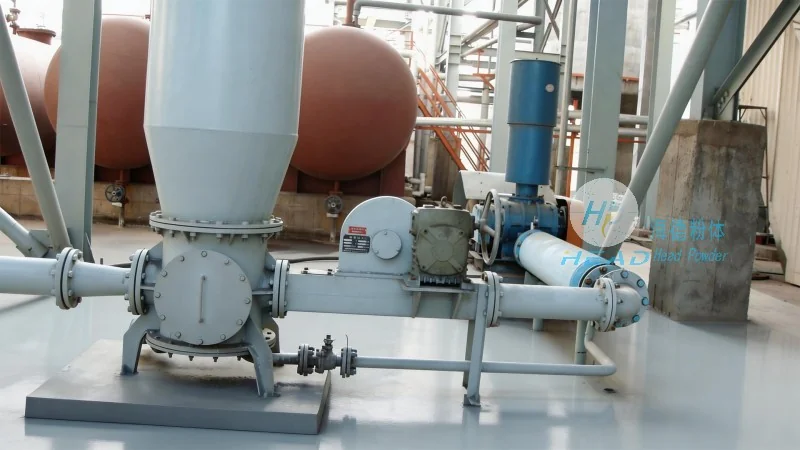
The design of a dry lime pneumatic conveying system is governed by several critical principles to ensure optimal performance and safety. These include the selection of appropriate air velocity, pipeline diameter, and system pressure. The air velocity must be sufficient to keep the lime particles in suspension but not so high as to cause excessive wear on the system components or energy waste. The pipeline diameter is chosen based on the required flow rate and particle size distribution, with larger diameters generally used for higher flow rates. System pressure is determined by the distance to be covered and the resistance in the pipeline, with higher pressures needed for longer or more complex conveying routes. HeadPowder engineers adhere to industry standards and best practices, conducting thorough calculations and simulations to optimize system design for each client's specific needs.
A dry lime pneumatic conveying system comprises several key components, each playing a vital role in the overall operation. These include the hopper or feeder, which stores and meters the dry lime; the air compressor or blower, which generates the conveying air; the pipeline network, which transports the material; the control valves and regulators, which manage air flow and pressure; and the receiver or silo, which stores the delivered lime. The hopper is typically equipped with a rotary valve or a star feeder to ensure a consistent and controlled feed rate, preventing blockages and maintaining system stability. The air compressor is selected based on the required air volume and pressure, with options ranging from rotary lobe compressors to centrifugal blowers. The pipeline is usually made of corrosion-resistant materials like stainless steel or polyethylene to withstand the chemical properties of lime and prevent degradation over time. HeadPowder’s systems are designed with high-quality components from reputable manufacturers, ensuring durability and long-term reliability.
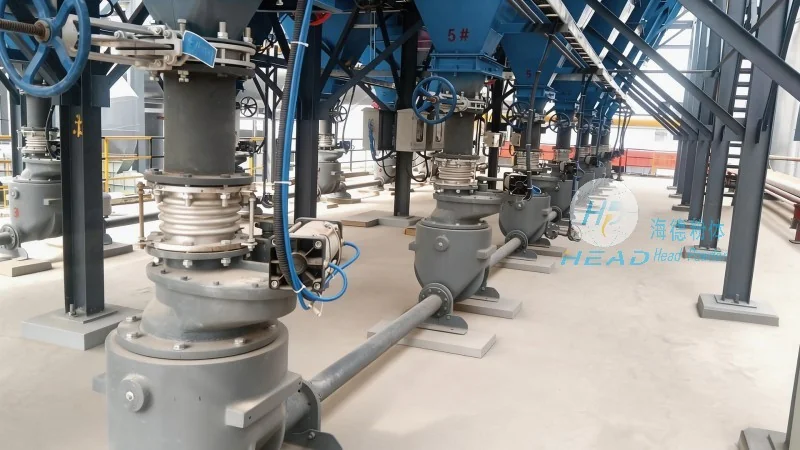
Operational efficiency is a key consideration in the design and maintenance of dry lime pneumatic conveying systems. This includes minimizing energy consumption, maximizing material throughput, and reducing downtime due to maintenance or failures. HeadPowder focuses on energy-efficient designs, such as using variable frequency drives (VFDs) to adjust air pressure and flow based on demand, thereby reducing unnecessary energy use. Safety is paramount in handling dry lime, as it can cause respiratory issues and skin irritation if not properly contained. The system is equipped with dust collection and filtration systems to capture and neutralize any airborne particles, ensuring a safe working environment. Additionally, the system includes safety valves and pressure relief devices to prevent over-pressurization and potential hazards. HeadPowder adheres to strict safety protocols and regulatory standards, providing comprehensive training and support to clients to ensure safe operation.
Dry lime pneumatic conveying systems are widely applied in various industrial sectors due to their versatility and efficiency. In water treatment plants, they are used to transport lime for pH adjustment and coagulation processes, ensuring water quality meets regulatory standards. In chemical manufacturing, they facilitate the delivery of lime for neutralization reactions and product formulation. In flue gas desulfurization (FGD) systems, dry lime is used to remove sulfur dioxide from exhaust gases, contributing to environmental protection. HeadPowder’s systems have been successfully implemented in these and other applications, demonstrating their effectiveness in improving operational performance and reducing costs. The company’s expertise in customizing systems to meet specific client requirements has made them a trusted partner in the industry.

 Shandong Headpowder Engineering Co., Ltd.
 156-6277-7102(Manager Zhang)
  0531-83386006
  Zhangqiu District, Jinan City, Shandong Province, China
telephone
WeChatconsult
top