

What is a Protein Powder Pneumatic Conveying System? What Are Its Design Principles?
Protein powder is a widely used ingredient in the food and supplement industries, and efficient handling of this fine powder is crucial for maintaining product quality and operational efficiency. Pneumatic conveying systems have emerged as a preferred solution for transporting protein powders due to their ability to handle delicate materials without causing degradation or contamination. This article explores the concept of a protein powder pneumatic conveying system, detailing its design principles and the key factors that contribute to its effectiveness in industrial applications.
Introduction to Protein Powder Pneumatic Conveying Systems
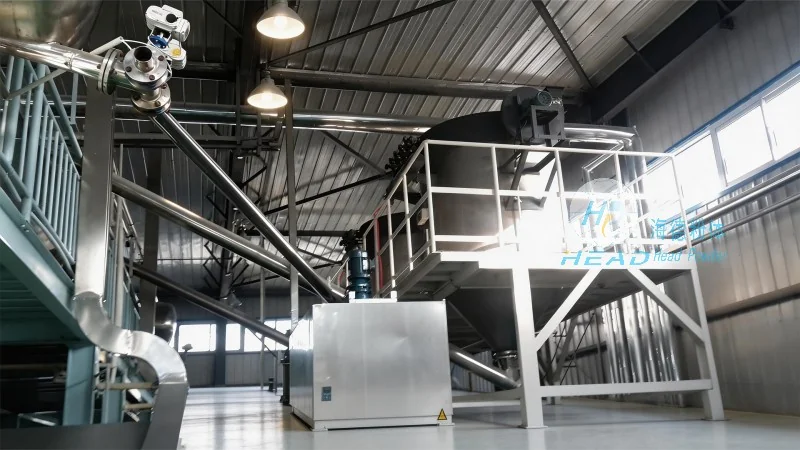
A protein powder pneumatic conveying system is a technology used to transport protein powders through a pipeline using compressed air or other gases. Unlike traditional mechanical conveying methods, which may cause particle attrition or agglomeration, pneumatic systems offer a gentle and controlled way to move fine powders. This is particularly important for protein powders, which are often sensitive to moisture, temperature, and mechanical stress. The system typically consists of a hopper, a conveyor line, and a control unit, all working together to ensure smooth and consistent material transport.
Key Components of a Protein Powder Pneumatic Conveying System
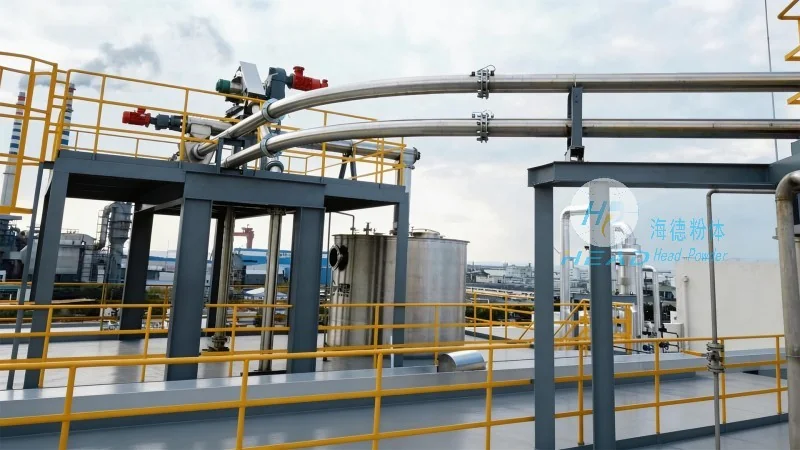
The effectiveness of a protein powder pneumatic conveying system relies on several critical components. The hopper serves as the storage and feeding unit, where the protein powder is loaded and prepared for transport. It is designed with a smooth interior to prevent material buildup and ensure uniform flow. The conveyor line, often made of stainless steel or other corrosion-resistant materials, is the main pathway for the powder. It is equipped with air nozzles or Venturi tubes that create a vacuum or pressure differential to move the powder through the system. The control unit manages the air pressure, flow rate, and other parameters to optimize the conveying process and prevent issues such as blockages or excessive energy consumption.
Design Principles for Optimal Performance
The design of a protein powder pneumatic conveying system must consider several factors to ensure it operates efficiently and safely. One of the primary design principles is the selection of the appropriate conveying method—either pressure or vacuum. Pressure systems use compressed air to push the powder forward, while vacuum systems use suction to draw the powder into the line. The choice depends on the distance, height, and material characteristics. For protein powders, vacuum systems are often preferred as they are gentler and can handle longer distances without excessive energy use. Another critical principle is the particle size and density of the powder. The system must be designed to handle the specific characteristics of the protein powder, ensuring that the air velocity is sufficient to lift the particles without causing excessive wear on the equipment. Additionally, the system must incorporate features to prevent moisture absorption and contamination, such as sealing and filtration components.
Benefits of Using a Protein Powder Pneumatic Conveying System
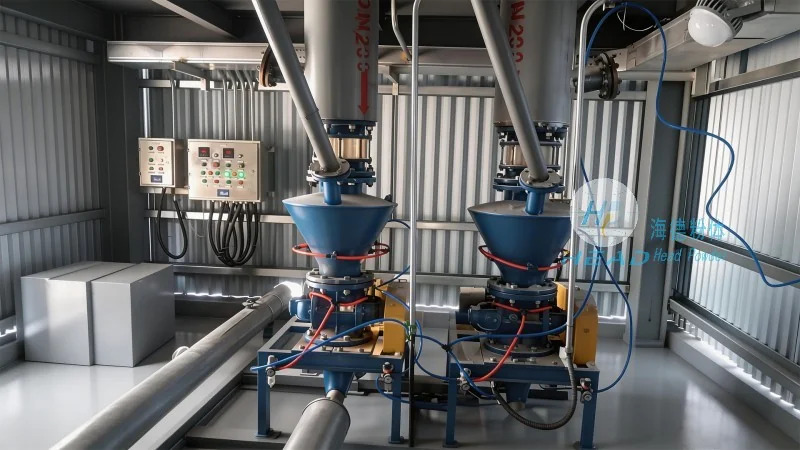
Implementing a protein powder pneumatic conveying system offers several advantages for industrial operations. First, it provides a hygienic and clean method of transporting fine powders, reducing the risk of cross-contamination and product degradation. The enclosed system prevents dust and particles from escaping into the environment, maintaining a safe and compliant workspace. Second, it enhances operational efficiency by allowing for continuous and automated material handling, reducing labor costs and increasing throughput. The system can be integrated with other processing equipment, creating a seamless workflow from storage to packaging. Third, it offers flexibility in terms of material handling, as it can be adapted to different protein powder types and production volumes. This makes it suitable for both small-scale and large-scale operations in the food and supplement industries.
About Shandong HeadPowder Engineering Co., Ltd.
Shandong HeadPowder Engineering Co., Ltd., commonly known as headpowder, is a leading manufacturer of pneumatic conveying systems specializing in protein powder handling. With headquarters in Shandong, China, the company has established itself as a trusted provider of high-quality conveying solutions tailored to the needs of the food and supplement industries. Headpowder's expertise lies in designing and manufacturing systems that meet stringent hygiene and safety standards, ensuring that protein powders are handled with the utmost care. The company's products are known for their durability, efficiency, and reliability, making them a preferred choice for businesses seeking to optimize their material handling processes. By combining advanced engineering with customer-centric solutions, headpowder continues to deliver innovative pneumatic conveying systems that enhance productivity and product quality in the industry.