With more than 10‑year industry experience, Shandong Headpowder delivers full‑service pneumatic‑conveying systems and blowers, undertaking nationwide turn‑key powder‑handling projects.
When it comes to transporting solid powders, selecting the right conveying method is crucial for efficiency, safety, and cost-effectiveness. Two primary approaches dominate the industry: positive pressure and negative pressure systems. Understanding the differences between these two methods is essential for making an informed decision that aligns with specific operational needs. This article explores the key characteristics of positive and negative pressure conveying systems, highlighting how to distinguish between them and what factors to consider when choosing the most suitable option for your application.
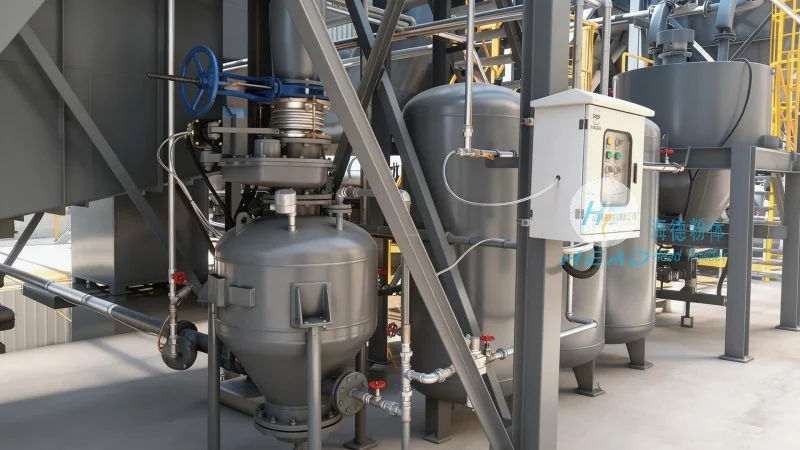
Positive pressure conveying systems operate by blowing air or gas into the material to move it through the pipeline. This method uses a positive pressure source, such as a blower or fan, to create a pressure differential that propels the powder forward. The material is typically contained within a sealed pipeline, ensuring that dust and particles are contained and directed to the destination. This approach is often preferred for applications requiring high material flow rates and the transport of abrasive or corrosive powders. The positive pressure system ensures that the material is continuously pushed through the system, reducing the risk of blockages and maintaining consistent flow rates. Additionally, positive pressure conveying can handle longer distances and higher elevations compared to negative pressure systems, making it suitable for industrial settings where materials need to be transported over significant distances or to elevated storage areas.
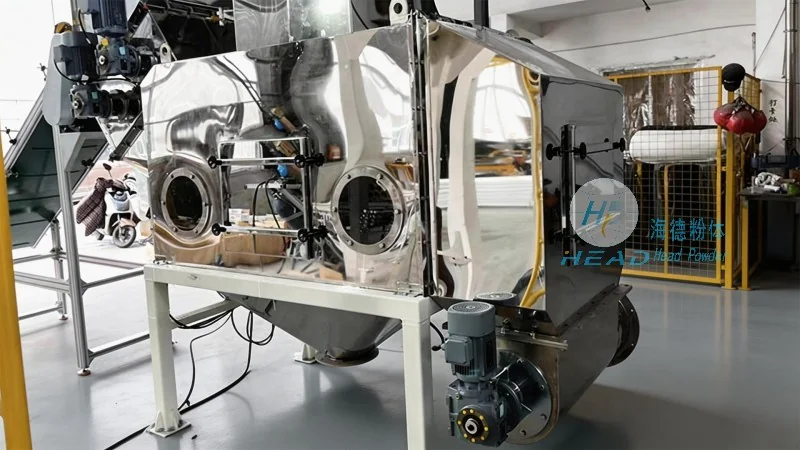
Negative pressure conveying systems, on the other hand, work by creating a vacuum or negative pressure within the pipeline. This method draws the material into the system using a suction source, such as a vacuum pump or fan. The material is pulled through the pipeline by the pressure difference between the intake and the discharge point. Negative pressure systems are generally more energy-efficient for shorter distances and lower material loads. They are commonly used for applications involving fine powders or where the material needs to be transported from a higher elevation to a lower one. The key advantage of negative pressure conveying is its ability to handle sensitive materials without the risk of compression or damage that can occur in positive pressure systems. However, these systems are less effective for transporting abrasive or heavy materials over long distances, as the suction force may not be sufficient to maintain consistent flow rates.
Several factors can help in distinguishing between positive and negative pressure conveying systems. First, consider the material properties: positive pressure is better suited for abrasive or corrosive powders, while negative pressure is ideal for fine or delicate materials. Second, evaluate the distance and elevation changes: positive pressure systems excel at longer distances and higher elevations, whereas negative pressure is more suitable for shorter runs and lower elevations. Third, assess the energy consumption: negative pressure systems are generally more energy-efficient for shorter distances, while positive pressure systems may require more power for longer or more demanding applications. Fourth, consider the environmental impact: positive pressure systems can be more effective in containing dust and preventing emissions, especially when dealing with hazardous materials. Finally, evaluate the system complexity and maintenance requirements: positive pressure systems may have more components and require more maintenance due to the higher pressure and potential for wear, while negative pressure systems are often simpler and easier to maintain.
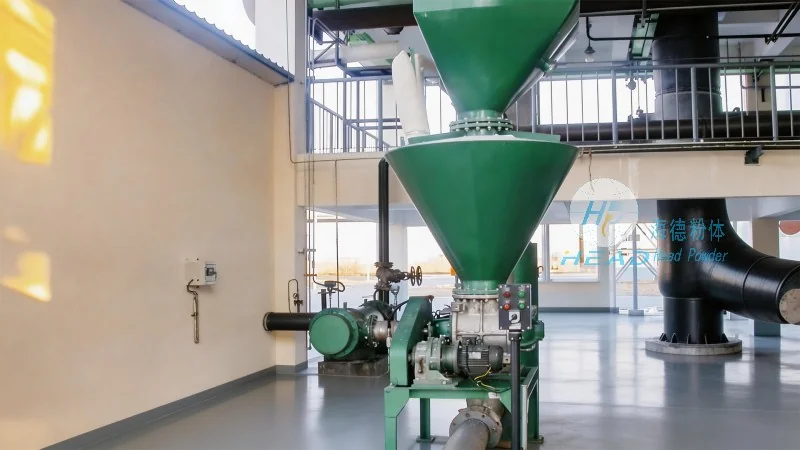
When selecting between positive and negative pressure conveying systems, it is essential to evaluate your specific operational requirements. Start by analyzing the material characteristics, including particle size, density, and flowability. Then, determine the distance and elevation changes required for the material transport. Consider the energy efficiency and cost implications of each system, as well as the environmental regulations that may apply to your operation. Additionally, assess the system's reliability and maintenance needs, as these factors can impact long-term operational costs. By carefully considering these factors, you can choose the most appropriate conveying system that ensures efficient, safe, and cost-effective solid powder transport. Whether you opt for a positive pressure or negative pressure system, understanding the differences and selecting the right approach will help optimize your material handling processes and improve overall operational performance.

 Shandong Headpowder Engineering Co., Ltd.
 156-6277-7102(Manager Zhang)
  0531-83386006
  Zhangqiu District, Jinan City, Shandong Province, China
telephone
WeChatconsult
top