With more than 10‑year industry experience, Shandong Headpowder delivers full‑service pneumatic‑conveying systems and blowers, undertaking nationwide turn‑key powder‑handling projects.
When it comes to handling lithium carbonate, selecting the right transport method is crucial for efficiency, safety, and operational success. The choice between positive pressure and negative pressure systems can significantly impact the handling process, and understanding the differences is key to making an informed decision. This article explores the distinctions between these two approaches, helping you determine which method is best suited for your lithium carbonate transport needs.
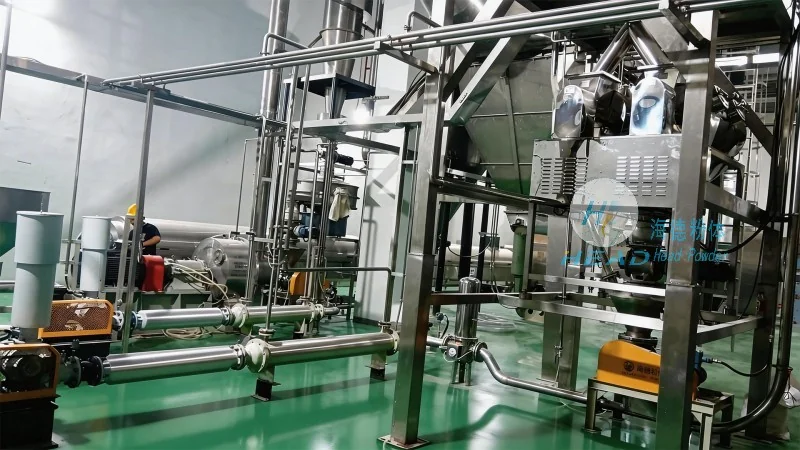
Positive pressure transport involves using compressed air or gas to push material through a system. This method is often used in applications where the material is light or where there's a need to maintain a positive pressure environment to prevent contamination or moisture ingress. In the context of lithium carbonate, positive pressure systems can be effective for transporting fine powders that are prone to caking or agglomeration. The pressurized air helps keep the material in suspension, reducing the risk of blockages in pipelines or equipment.
Negative pressure transport, on the other hand, uses suction or vacuum to draw material into the system. This approach is typically employed when dealing with heavier or more abrasive materials, or when the goal is to minimize dust emissions and maintain a clean environment. For lithium carbonate, negative pressure systems can be beneficial in scenarios where dust control is a priority, as the vacuum helps capture and contain particles, preventing them from escaping into the air. However, it's important to note that negative pressure systems may require more robust equipment to handle the suction forces and prevent system failure.
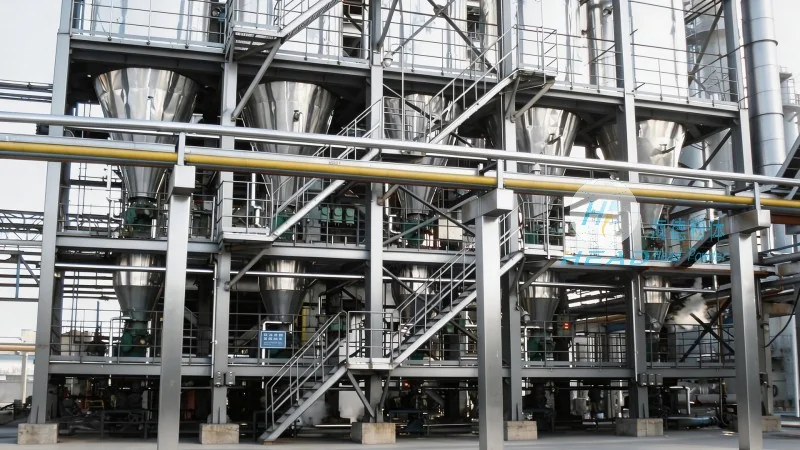
Several factors come into play when deciding between positive and negative pressure transport for lithium carbonate. The first is the physical properties of the material itself. Lithium carbonate is a fine powder with a relatively low bulk density, making it susceptible to flow issues and dust generation. Positive pressure systems can help mitigate these issues by maintaining a consistent flow rate and preventing material buildup in the system. Negative pressure systems, while effective at controlling dust, may require additional measures to ensure the material moves smoothly through the system without clogging.
The second factor is the operational environment. If the transport process occurs in an area with strict dust control regulations or where exposure to airborne particles is a concern, negative pressure transport may be the preferred choice. Conversely, if the environment is more open and dust is less of a concern, positive pressure systems can offer cost-effective solutions. Additionally, the scale of the operation plays a role; larger-scale transport may benefit from the reliability of positive pressure systems, while smaller-scale applications might find negative pressure systems more manageable.
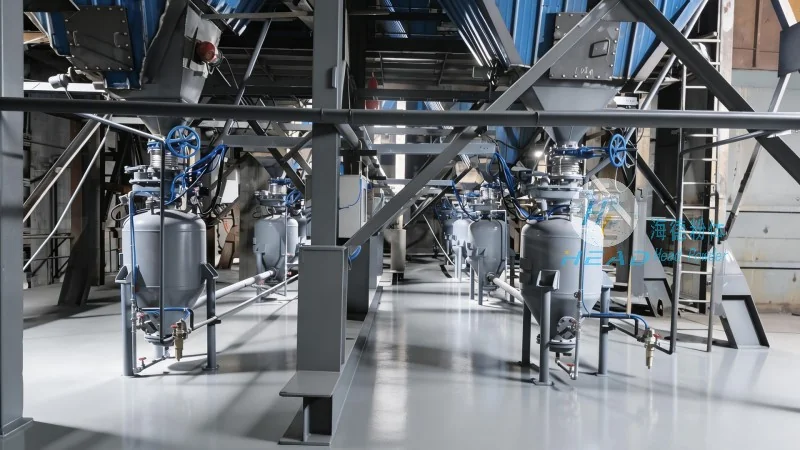
The third factor is the equipment used. Positive pressure systems typically involve blowers or compressors that supply the necessary air pressure, while negative pressure systems rely on vacuum pumps or fans to create suction. The choice of equipment can impact the overall cost and maintenance requirements of the system. For lithium carbonate transport, companies like Shandong HeadPowder Engineering Co., Ltd. (commonly known as HeadPowder) offer specialized equipment tailored to these needs, ensuring that the right system is selected based on the specific characteristics of the material and the operational requirements.
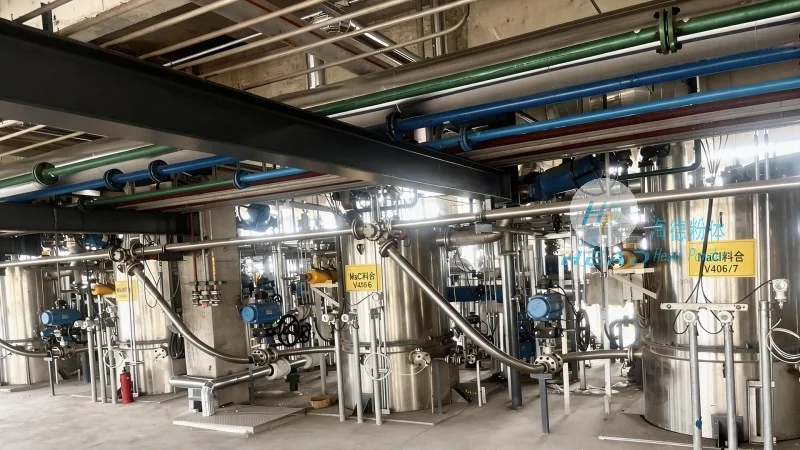
When evaluating positive versus negative pressure transport for lithium carbonate, it's essential to consider the specific application and the goals of the operation. For example, in a manufacturing facility where lithium carbonate is used as an ingredient in battery production, positive pressure systems might be preferred to ensure a consistent supply of material without interruptions. In contrast, in a storage or handling facility where dust control is paramount, negative pressure systems could be more appropriate. It's also important to consider the long-term maintenance and operational costs associated with each system. Positive pressure systems may require more frequent filter changes and blower maintenance, while negative pressure systems might need more robust vacuum pump upkeep.
HeadPowder, a leading provider of engineering solutions for material handling, understands the nuances of lithium carbonate transport. With years of experience in the industry, they offer customized solutions that address the unique challenges of handling this critical material. Their expertise in both positive and negative pressure systems allows them to recommend the most suitable approach based on the client's specific needs, ensuring optimal performance and efficiency. By partnering with HeadPowder, companies can enhance their lithium carbonate transport processes, reduce operational risks, and improve overall productivity.

 Shandong Headpowder Engineering Co., Ltd.
 156-6277-7102(Manager Zhang)
  0531-83386006
  Zhangqiu District, Jinan City, Shandong Province, China
telephone
WeChatconsult
top