With more than 10‑year industry experience, Shandong Headpowder delivers full‑service pneumatic‑conveying systems and blowers, undertaking nationwide turn‑key powder‑handling projects.
When it comes to the efficient and reliable transport of fine powders, especially in industries dealing with materials like ternary lithium compounds, the choice of a suitable conveying system is critical. This article delves into the concept of ternary lithium gas-solid pneumatic conveying, explaining its working principles and how it serves as a key component in modern powder handling systems. By understanding this technology, businesses can optimize their material handling processes, enhance operational efficiency, and ensure compliance with industry standards.
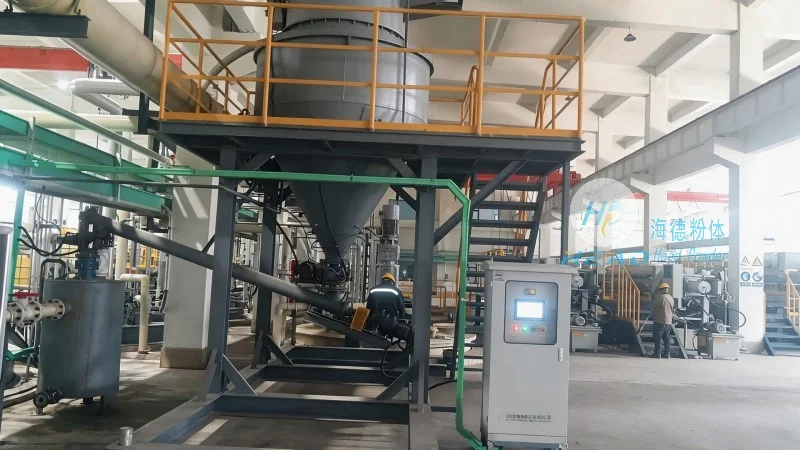
HeadPowder Engineering, a leading provider of advanced powder handling solutions, specializes in the design, manufacturing, and implementation of pneumatic conveying systems. With a strong presence in the industry, the company has established itself as a trusted partner for businesses seeking to streamline their material transport processes. HeadPowder Engineering is headquartered in Shandong, China, and serves a diverse range of sectors including chemical, pharmaceutical, food, and battery manufacturing. The company's commitment to innovation and quality ensures that its products meet the highest standards of performance and reliability.
Ternary lithium, commonly used in lithium-ion batteries, is a critical material in modern energy storage solutions. The efficient transport of this fine powder is essential for the production and processing of battery cells. Gas-solid pneumatic conveying is a method that uses compressed air or other gases to move powders through a pipeline system. In the context of ternary lithium, this technology offers a non-contact, low-damage, and highly efficient way to handle the material from storage to processing equipment.
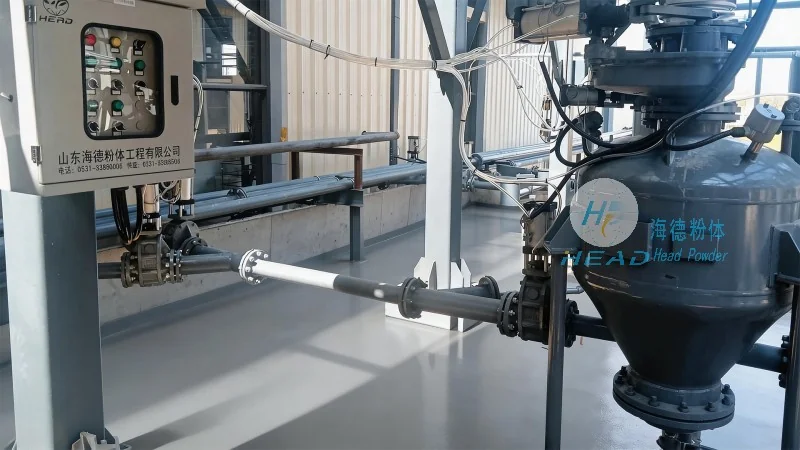
The core of a ternary lithium gas-solid pneumatic conveying system involves several key components and processes. The system typically includes a hopper for material storage, a feeder to control the flow rate, a compressor to generate the conveying air, and a pipeline network that transports the powder. The process begins with the material being fed from the hopper into the feeder. The feeder then meters the powder at a consistent rate, ensuring a stable flow. Simultaneously, the compressor generates high-pressure air, which is introduced into the pipeline. The air and powder mixture travels through the pipeline, with the air providing the necessary force to move the powder particles. As the mixture moves, the air and powder separate at the discharge point, where the powder is collected and the air is either vented or recycled.
Compared to traditional mechanical conveying methods, ternary lithium gas-solid pneumatic conveying offers several advantages. Firstly, it provides a non-contact transport, which minimizes product contamination and reduces the risk of material degradation. This is particularly important for sensitive materials like ternary lithium, where even minor contamination can affect battery performance. Secondly, the system is highly flexible, allowing for the integration of multiple processing units and the ability to change the conveying route as needed. Thirdly, it offers high efficiency in terms of material throughput, with the ability to handle large volumes of powder at a consistent rate. Additionally, the system is compact and can be installed in various spaces, making it suitable for both new and existing facilities.
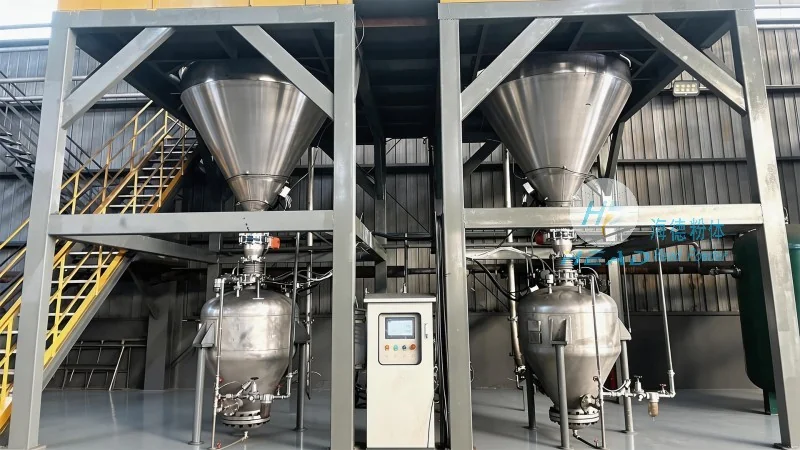
Ternary lithium gas-solid pneumatic conveying systems are widely used in the battery manufacturing industry. The technology is employed in various stages of the production process, from the initial mixing and blending of the ternary lithium powder with other battery materials to the final filling of the battery cells. In the mixing stage, the system ensures a uniform distribution of the ternary lithium powder, which is crucial for achieving consistent battery performance. During the cell filling process, the pneumatic conveying system delivers the powder to the filling equipment, maintaining a stable and controlled flow. This not only improves the efficiency of the filling operation but also reduces the risk of material waste and contamination.
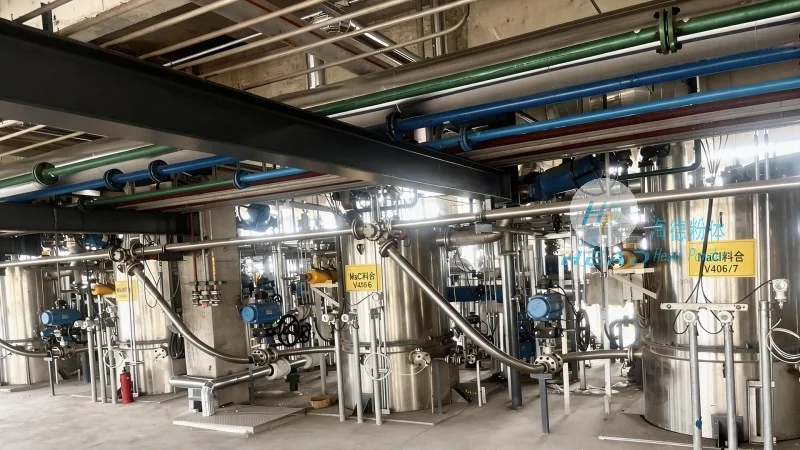
When implementing a ternary lithium gas-solid pneumatic conveying system, it is essential to consider compliance with industry regulations and safety standards. HeadPowder Engineering adheres to strict quality control measures to ensure that its systems meet the requirements of various certifications, including those related to material handling and environmental safety. The company’s engineers work closely with clients to design systems that are not only efficient but also safe for operators and the environment. This includes features such as explosion-proof designs for handling flammable materials, dust collection systems to minimize airborne particles, and automated controls to prevent over-pressurization or other hazards.
As the demand for lithium-ion batteries continues to grow, the efficient handling of ternary lithium powder becomes increasingly important. Ternary lithium gas-solid pneumatic conveying offers a reliable and advanced solution for material transport in battery manufacturing and other industries. By leveraging this technology, businesses can enhance their operational efficiency, reduce costs, and improve product quality. HeadPowder Engineering, with its expertise and commitment to innovation, provides comprehensive solutions that meet the evolving needs of the industry. Whether for new installations or system upgrades, the company’s pneumatic conveying systems are designed to deliver long-term performance and reliability, supporting the growth and success of its clients in the competitive global market.

 Shandong Headpowder Engineering Co., Ltd.
 156-6277-7102(Manager Zhang)
  0531-83386006
  Zhangqiu District, Jinan City, Shandong Province, China
telephone
WeChatconsult
top