With more than 10‑year industry experience, Shandong Headpowder delivers full‑service pneumatic‑conveying systems and blowers, undertaking nationwide turn‑key powder‑handling projects.
When it comes to transporting polyethylene materials, selecting the right conveying method is crucial for efficiency, safety, and operational reliability. Two primary approaches dominate the industry: positive pressure conveying and negative pressure conveying. Each method has distinct characteristics, advantages, and applications, making it essential to understand the differences to make an informed decision. This article, brought to you by Shandong HeadPowder Engineering Co., Ltd. (headpowder), explores the key aspects of both positive and negative pressure systems, helping you distinguish between them and choose the most suitable option for your polyethylene conveying needs.
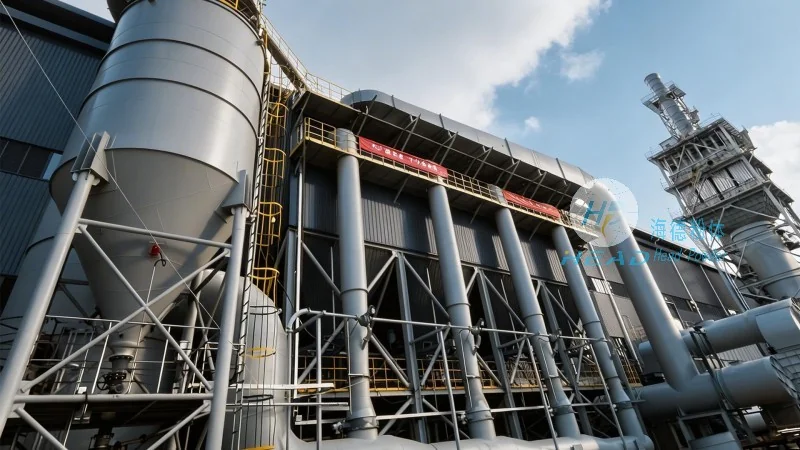
Positive pressure conveying systems operate by blowing air or gas into the conveying line, creating a pressure higher than the ambient air pressure. This pressurized air propels the polyethylene material forward through the pipeline. The system typically uses a blower or compressor to generate the necessary pressure, and the material is carried by the air flow. A key advantage of positive pressure conveying is its ability to handle a wide range of materials, including powders, granules, and even bulk solids. It is particularly effective for materials that are prone to caking or bridging, as the high-pressure air helps break up agglomerates and maintain a consistent flow. Additionally, positive pressure systems are generally more robust and can handle longer conveying distances compared to negative pressure systems. They are also suitable for applications where the material needs to be delivered to multiple destinations or where the conveying line is complex.
Negative pressure conveying, also known as vacuum conveying, works by creating a lower pressure inside the conveying line compared to the ambient air pressure. This pressure differential draws the polyethylene material into the system. The material is typically fed into a hopper or feeder, and a vacuum pump creates the suction force that pulls the material through the pipeline. Unlike positive pressure systems, negative pressure conveying does not use compressed air to push the material but relies on the vacuum to pull it. This method is often preferred for materials that are sensitive to high air velocities or for applications where the conveying distance is relatively short. Negative pressure systems are also more energy-efficient in some cases, as they do not require the high power consumption of a blower or compressor. However, they may have limitations in handling highly abrasive or sticky materials, as the vacuum can sometimes cause material degradation or blockages if not properly managed.
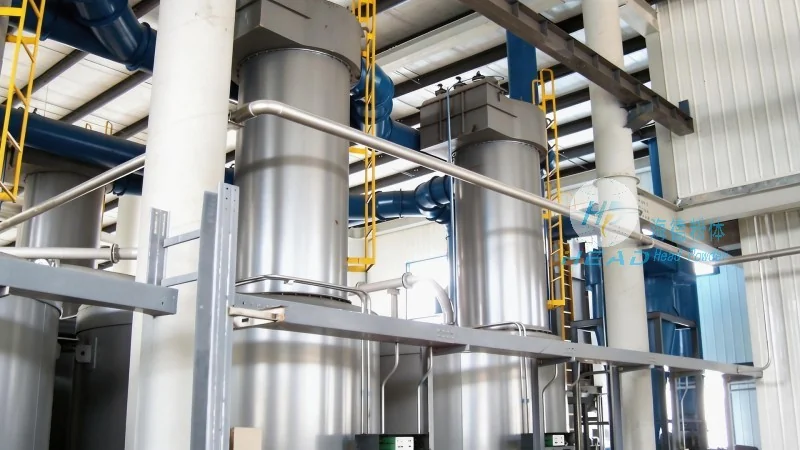
When deciding between positive and negative pressure conveying for polyethylene, several factors should be considered. First, the material properties are critical. For polyethylene powders or granules that are prone to caking or have high moisture content, positive pressure conveying may be more effective due to its ability to break up agglomerates and maintain flow. Conversely, if the material is lightweight and non-abrasive, negative pressure conveying could be a suitable choice, especially for shorter distances. Second, the conveying distance and system complexity play a role. Positive pressure systems are generally better for longer distances or complex layouts, while negative pressure systems are more suitable for shorter runs or simple setups. Third, energy consumption and operational costs are important considerations. Positive pressure systems may require more energy due to the blower or compressor, but they offer flexibility in handling various materials. Negative pressure systems are often more energy-efficient but may have limitations in material handling. Fourth, safety and environmental factors should be evaluated. Positive pressure systems can be more prone to leaks or pressure-related hazards, while negative pressure systems may pose risks of dust inhalation or material contamination if not properly sealed. Finally, the overall system cost, including equipment, installation, and maintenance, should be weighed against the benefits of each approach.
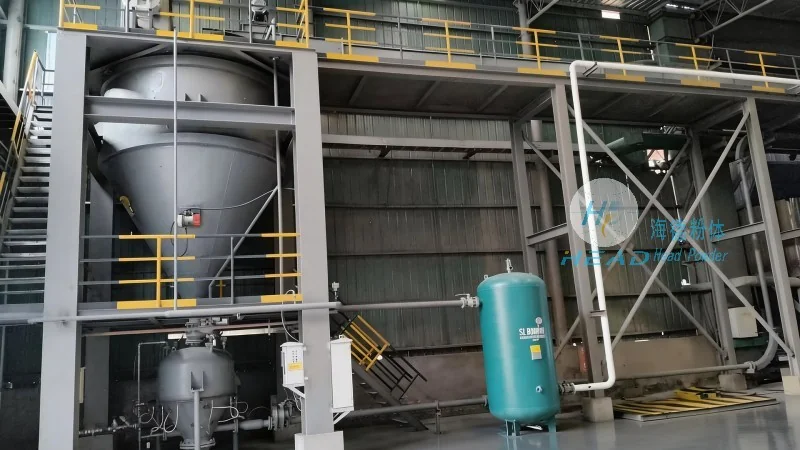
Understanding where each system excels in real-world applications can help clarify the decision-making process. Positive pressure conveying is commonly used in industries such as plastics manufacturing, where large quantities of polyethylene pellets or powders need to be transported from storage silos to processing lines. It is also suitable for applications involving abrasive or sticky materials, as the high-pressure air helps maintain consistent flow and prevents blockages. For example, in a polyethylene recycling plant, positive pressure conveying can efficiently transport reclaimed pellets from storage bins to the extrusion line. On the other hand, negative pressure conveying is often used in pharmaceutical or food processing industries where polyethylene materials are handled in clean environments. It is ideal for transporting fine powders or granules over short distances, such as moving polyethylene granules from a hopper to a mixing machine in a laboratory setting. Additionally, negative pressure systems are preferred in applications where the material is sensitive to high air velocities or where the conveying line is located in a confined space, as the vacuum helps minimize dust dispersion and maintain a clean environment.
Choosing between positive pressure and negative pressure conveying for polyethylene materials requires a careful evaluation of material properties, conveying distance, system complexity, energy consumption, and safety considerations. Positive pressure systems offer robustness, flexibility, and the ability to handle a wide range of materials, making them suitable for many industrial applications. Negative pressure systems, while more energy-efficient and better for short distances, may have limitations in handling abrasive or sticky materials. By understanding the advantages and limitations of each approach, you can select the most appropriate conveying method to ensure efficient, safe, and reliable operation. Whether you opt for positive or negative pressure, the key is to align the system with your specific operational requirements to achieve optimal performance.

 Shandong Headpowder Engineering Co., Ltd.
 156-6277-7102(Manager Zhang)
  0531-83386006
  Zhangqiu District, Jinan City, Shandong Province, China
telephone
WeChatconsult
top