

What is Organic Fertilizer Pneumatic Conveying? An Introduction to the Working Principle of Powder H
Organic fertilizer is a cornerstone of sustainable agriculture, providing essential nutrients to soil and promoting healthy plant growth. However, the efficient and safe transportation of these powdery materials from production sites to application areas presents unique challenges. This is where organic fertilizer pneumatic conveying systems come into play, revolutionizing the way powders are handled in agricultural and industrial settings.
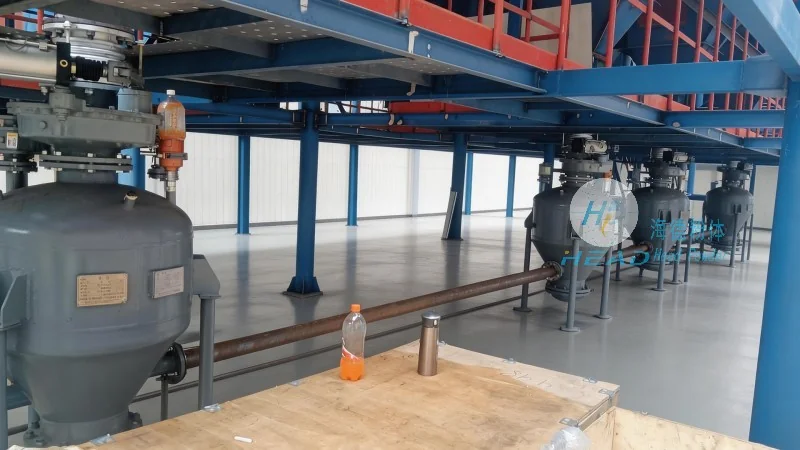
What is Pneumatic Conveying? A Fundamental Overview
Pneumatic conveying is a method of transporting bulk materials, such as organic fertilizers, through a pipeline using compressed air or other gas. Unlike traditional mechanical systems like screw conveyors or belt conveyors, this technology relies on the force of air to move materials, offering advantages in terms of flexibility, hygiene, and reduced maintenance. The system typically consists of a hopper for material storage, a blower or compressor to generate airflow, and a pipeline network that directs the material to its destination. By creating a pressure differential, the system can either push or pull the material through the line, depending on the design and operational requirements.
The Working Principle of Organic Fertilizer Pneumatic Conveying Systems
At the heart of an organic fertilizer pneumatic conveying system lies a carefully engineered process that ensures reliable and efficient material transport. The system begins with the material being fed into a hopper, where it is stored and prepared for transport. A rotary valve or feeder then controls the flow of material into the pipeline, ensuring a consistent and controlled discharge rate. The blower or compressor generates high-pressure air, which is introduced into the pipeline at the inlet point. As the air flows through the line, it entrains the organic fertilizer particles, forming a slurry-like mixture known as a "conveyed stream." This stream travels through the pipeline to the discharge point, where a cyclone separator or filter separates the material from the air. The separated organic fertilizer is then collected in a receiving bin, while the air is either filtered and recirculated or released to the atmosphere, depending on the system's design.
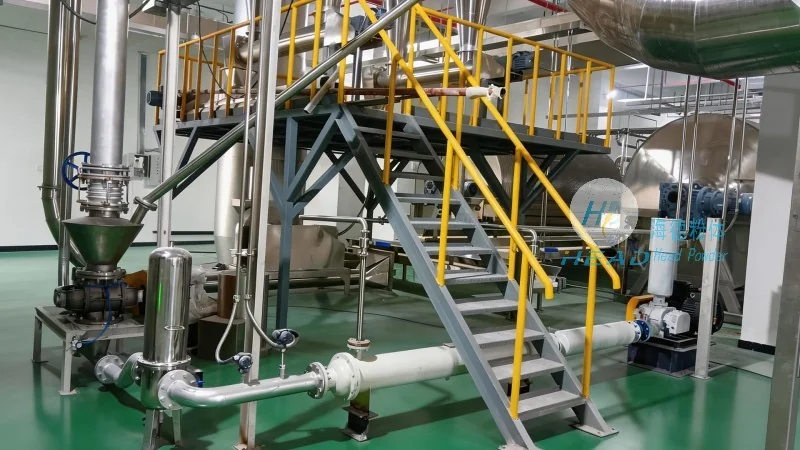
Key Components and Their Roles in the System
Several critical components work in tandem to ensure the smooth operation of an organic fertilizer pneumatic conveying system. The hopper serves as the primary storage vessel, providing a large capacity to accommodate bulk material and allowing for easy feeding. The feeder, often a rotary valve or screw feeder, regulates the material flow rate, preventing overloading and ensuring consistent performance. The blower or compressor is the power source, generating the necessary airflow to move the material through the pipeline. The pipeline network, typically made of stainless steel or other corrosion-resistant materials, is designed to withstand the pressure and abrasion caused by the conveying process. The cyclone separator or filter is a crucial component for material separation, as it prevents clogging and ensures the purity of the organic fertilizer. Finally, the receiving bin collects the discharged material, completing the transport cycle.
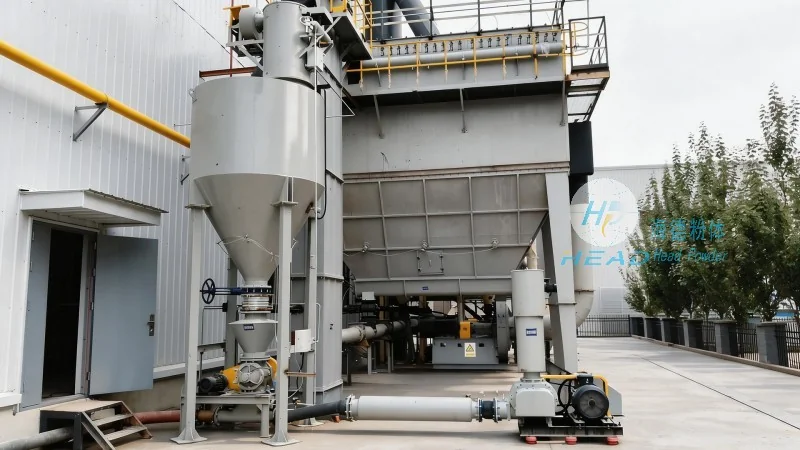
Advantages of Organic Fertilizer Pneumatic Conveying
Organic fertilizer pneumatic conveying systems offer numerous benefits over traditional mechanical handling methods. One of the most significant advantages is the ability to transport materials over long distances without the need for intermediate storage or transfer points. This reduces the risk of material degradation and contamination, which is particularly important for organic fertilizers that may be sensitive to moisture or temperature changes. Additionally, the system is highly flexible, allowing for easy reconfiguration of the pipeline network to accommodate changes in production or application requirements. The enclosed pipeline design also enhances hygiene, as it prevents dust and particles from escaping into the environment, reducing the risk of inhalation or contamination. Furthermore, pneumatic conveying systems require less maintenance compared to mechanical systems, as there are fewer moving parts and less wear and tear on components. This results in lower operational costs and increased system reliability.
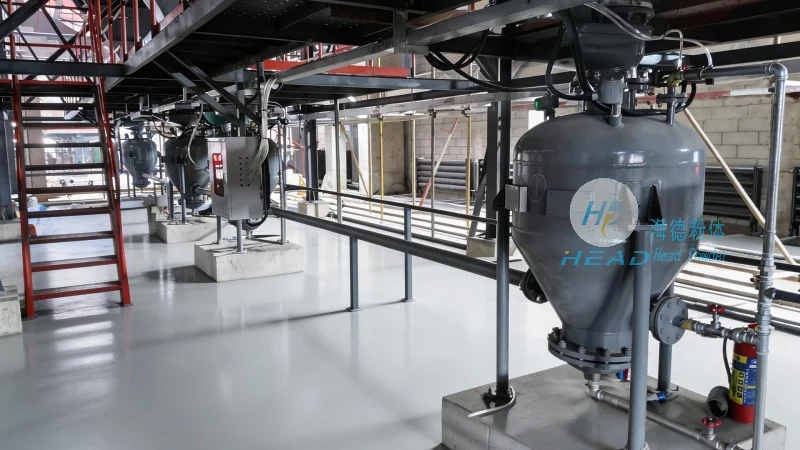
Applications in Agricultural and Industrial Settings
The versatility of organic fertilizer pneumatic conveying systems makes them suitable for a wide range of applications in both agricultural and industrial sectors. In agriculture, these systems are commonly used to transport organic fertilizers from production facilities to farms, where they are applied to fields. The ability to handle large volumes of material efficiently makes them ideal for commercial farming operations that require consistent and reliable supply of fertilizers. In industrial settings, such as food processing or chemical manufacturing, pneumatic conveying systems are used to transport bulk materials like organic powders, ensuring a clean and hygienic handling process. The system's ability to handle abrasive and sensitive materials makes it a preferred choice for industries where material quality and purity are paramount.
Case Study: Shandong HeadPowder Engineering Co., Ltd.
Shandong HeadPowder Engineering Co., Ltd., a leading manufacturer of powder handling systems, specializes in providing customized organic fertilizer pneumatic conveying solutions for various industries. With years of experience in the field, the company has developed a range of high-quality systems that meet the specific needs of its clients. The company's products are designed to handle a variety of organic fertilizers, including compost, manure, and other natural materials, ensuring efficient and safe transport. HeadPowder's systems are equipped with advanced features such as variable speed feeders, pressure sensors, and automatic control systems, which enhance performance and reliability. The company's commitment to quality and customer satisfaction has made it a trusted partner for many agricultural and industrial businesses. Based in Shandong, China, HeadPowder leverages its local expertise and resources to deliver innovative and effective solutions to its global clients.