With more than 10‑year industry experience, Shandong Headpowder delivers full‑service pneumatic‑conveying systems and blowers, undertaking nationwide turn‑key powder‑handling projects.
When it comes to transporting wood ash, selecting the right system is crucial for efficiency, safety, and operational costs. Two primary methods dominate the industry: positive pressure and negative pressure transport. Understanding the differences between these approaches is essential for making an informed decision that aligns with specific project requirements. This article explores the key aspects of both systems, helping you distinguish between them and choose the most suitable option for your wood ash handling needs.
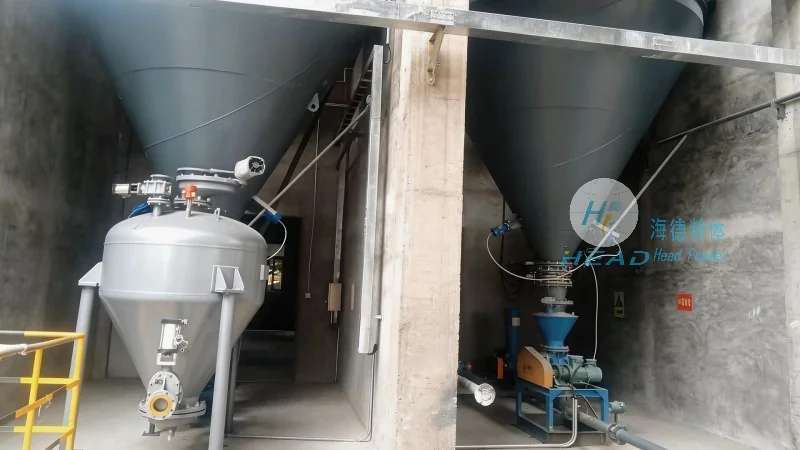
Positive pressure transport, also known as pressure blowers or forced air systems, operates by generating air pressure to push wood ash through a pipeline. The system uses a blower or fan to create a positive pressure environment, ensuring that the material is propelled forward with sufficient force. This method is particularly effective for long-distance transport, complex network layouts, or situations where the ash needs to be delivered to a specific destination under pressure. The positive pressure system maintains a consistent flow rate, minimizing the risk of blockages and ensuring reliable delivery. It is often preferred in industrial settings where the ash is generated at a central location and needs to be distributed to multiple points.
Positive pressure systems typically include a blower unit, a hopper or feeder to introduce the wood ash, and a network of pipes. The blower generates the necessary pressure, which is regulated to control the flow rate and prevent excessive pressure buildup. The system may also incorporate filters or cyclones to separate any fine particles from the air stream, improving air quality and reducing maintenance needs. The positive pressure approach is known for its high efficiency in moving large volumes of wood ash over extended distances, making it ideal for applications such as power plant ash handling or large-scale agricultural waste processing.
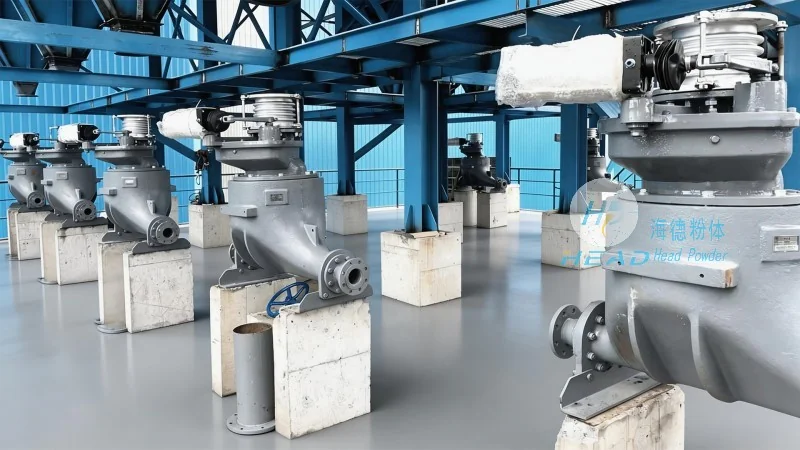
Negative pressure transport, or vacuum systems, works by creating a vacuum in the pipeline to draw wood ash from the source into the system. The vacuum is generated by a fan or pump that pulls air and ash through the pipe, moving the material from the source to the collection point. This method is commonly used for shorter distances or when the ash needs to be transported in a controlled manner, minimizing dust dispersion. Negative pressure systems are often preferred in environments where air quality is a concern, as they draw ash into the system rather than blowing it out. The vacuum approach is also suitable for handling fine or powdery wood ash, as the suction helps maintain a consistent flow without clogging the pipeline.
Negative pressure systems consist of a vacuum pump, a collection hopper or feeder, and a pipeline network. The vacuum pump creates the necessary suction, which is adjusted to control the flow rate and prevent excessive vacuum levels that could damage the system or cause material degradation. The system may include filters or scrubbers to capture any airborne particles, ensuring compliance with environmental regulations. Negative pressure transport is particularly effective for short-distance applications, such as moving ash from a storage silo to a processing unit, or for handling ash in confined spaces where positive pressure could pose safety risks.
Choosing between positive and negative pressure transport for wood ash depends on several factors, including the distance of transport, the type of ash (e.g., fine vs. coarse), the layout of the facility, and safety considerations. Positive pressure systems are generally more suitable for long-distance or high-volume applications, as they can maintain pressure over extended distances without significant loss. Negative pressure systems are better suited for shorter distances or when the goal is to minimize dust and air pollution. Additionally, the choice may be influenced by the available space and infrastructure, as positive pressure systems require more space for the blower unit, while negative pressure systems may need additional space for the vacuum pump and filtration equipment.
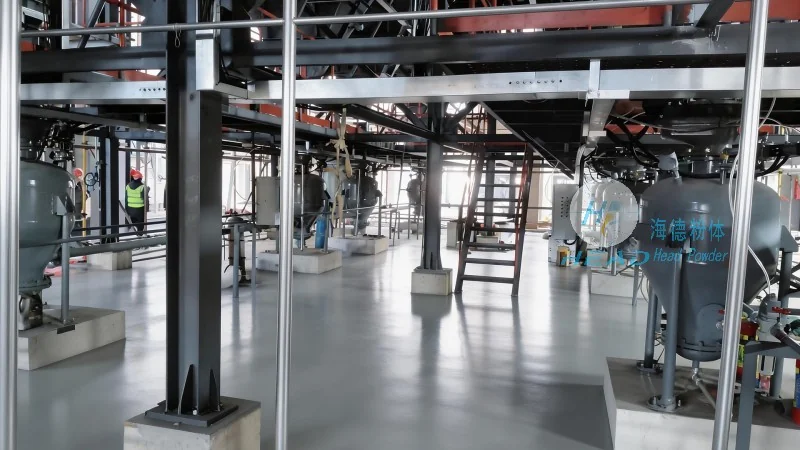
When deciding between positive and negative pressure transport for wood ash, several key factors should be evaluated. First, the distance of the transport route is a critical consideration. Positive pressure systems are more efficient for long distances, as they can maintain pressure over extended lengths without significant loss. Negative pressure systems are more effective for short distances, as the vacuum may diminish over longer pipelines, leading to reduced suction. Second, the characteristics of the wood ash itself play a role. Coarse or lumpy ash may be better suited for positive pressure systems, as the pressure helps break down any agglomerates and ensure smooth flow. Fine or powdery ash, on the other hand, may require negative pressure to prevent clogging and maintain consistent suction. Third, safety and environmental regulations must be considered. Positive pressure systems may pose a risk of dust explosion in certain environments, making negative pressure a safer option. Conversely, negative pressure systems may require additional filtration to meet air quality standards. Finally, operational costs and maintenance requirements should be assessed. Positive pressure systems typically have higher energy consumption due to the blower, while negative pressure systems may have higher maintenance needs for the vacuum pump and filters.
Choosing between positive and negative pressure transport for wood ash is a decision that impacts operational efficiency, safety, and environmental compliance. By understanding the principles and features of each system, you can select the most appropriate method for your specific needs. Positive pressure transport offers high efficiency for long-distance and high-volume applications, while negative pressure transport provides controlled, low-dust handling for shorter distances. The choice ultimately depends on the project's requirements, including distance, ash characteristics, safety considerations, and cost factors. For reliable and effective wood ash transport solutions, consider the expertise of Shandong HeadPowder Engineering Co., Ltd., a company based in Shandong, China, specializing in engineering solutions for material handling and processing.

 Shandong Headpowder Engineering Co., Ltd.
 156-6277-7102(Manager Zhang)
  0531-83386006
  Zhangqiu District, Jinan City, Shandong Province, China
telephone
WeChatconsult
top