With more than 10‑year industry experience, Shandong Headpowder delivers full‑service pneumatic‑conveying systems and blowers, undertaking nationwide turn‑key powder‑handling projects.
When it comes to the efficient and reliable transport of PE (Polyethylene) pellets, pneumatic conveying systems offer a versatile solution. Among the various methods available, negative pressure and positive pressure pneumatic conveying stand out as two primary approaches. Understanding the distinct characteristics, advantages, and disadvantages of each is crucial for selecting the most suitable system for specific applications. This article provides a detailed comparison of negative pressure and positive pressure pneumatic conveying for PE pellets, helping to inform decision-making processes in industrial settings.
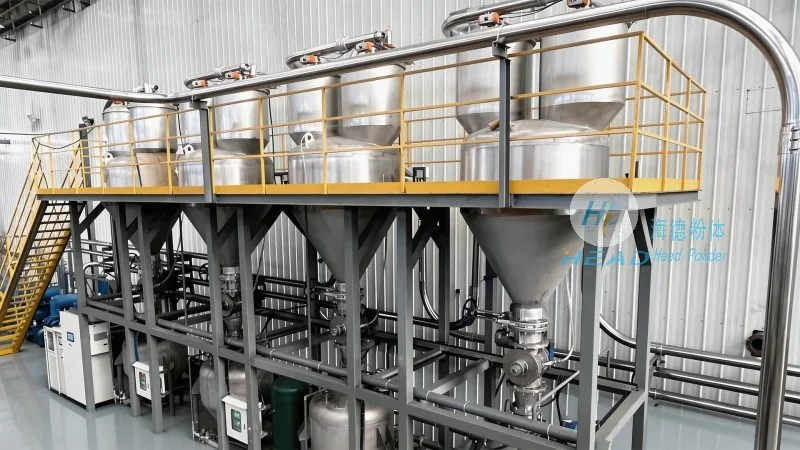
Pneumatic conveying is a method of transporting bulk materials, such as PE pellets, through a pipeline using air or gas as the conveying medium. It is widely used in industries like plastics processing due to its ability to handle fine or abrasive materials without mechanical wear. The choice between negative pressure and positive pressure systems depends on factors including material properties, system layout, and operational requirements. Both methods have their own set of benefits and limitations, which are explored in this analysis.
As a leading provider of pneumatic conveying solutions, Shandong HeadPowder Engineering Co., Ltd. specializes in designing and manufacturing systems tailored to the unique needs of the plastics industry. With years of experience and a commitment to innovation, HeadPowder offers comprehensive services, including system design, installation, and maintenance. Their expertise ensures that clients can select the optimal pneumatic conveying method for their PE pellet handling requirements, whether it involves negative or positive pressure systems.
Negative pressure, also known as vacuum or suction conveying, operates by creating a lower pressure inside the conveying line compared to the ambient air. This pressure differential draws the PE pellets into the system, where they are carried by the airflow. The primary advantage of negative pressure systems is their ability to transport materials from multiple sources or over long distances without the need for complex piping configurations. This makes them ideal for applications where the material is sourced from various points or requires extensive transport distances.
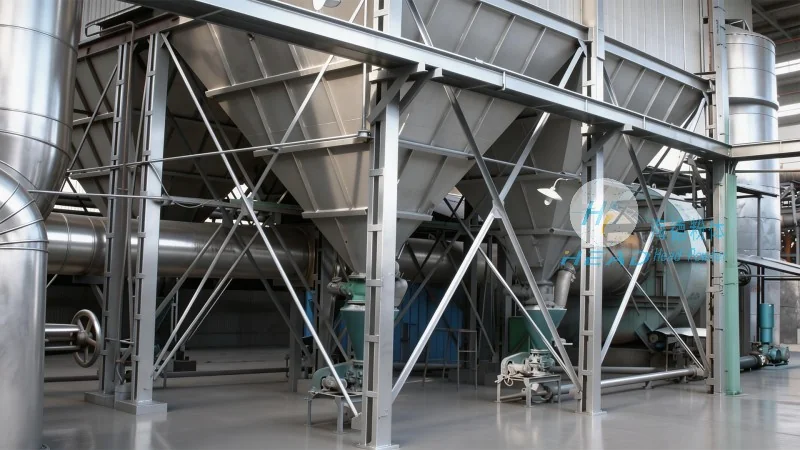
However, negative pressure systems have several drawbacks. One significant limitation is the risk of dust and air leakage, which can lead to environmental contamination and health hazards. Additionally, the vacuum created may cause material degradation or degradation of the conveying line components over time, especially with abrasive PE pellets. The system also requires careful maintenance to prevent clogging and ensure consistent performance.
Positive pressure, or pressure conveying, works by generating higher pressure inside the conveying line than the surrounding environment. Compressed air or gas is used to push the PE pellets through the pipeline. This method is often preferred for short to medium-distance transport and for materials that are more sensitive to pressure changes. The main advantage of positive pressure systems is their ability to handle a wider range of materials, including those with higher moisture content or more abrasive properties, without causing degradation.
Despite its benefits, positive pressure conveying has its own set of challenges. The high pressure can lead to increased energy consumption and higher operational costs, particularly for long-distance transport. Additionally, the system may require more robust components to withstand the higher pressures, increasing initial investment costs. Furthermore, positive pressure systems are generally less suitable for transporting materials from multiple sources or over very long distances due to the limitations of pressure drop and energy efficiency.
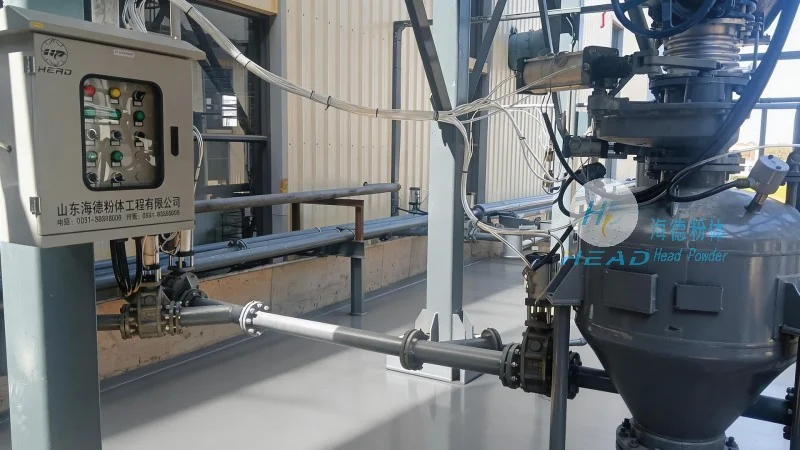
The choice between negative and positive pressure pneumatic conveying for PE pellets depends on several critical factors. Material characteristics, such as particle size, density, and moisture content, play a significant role. For example, fine PE pellets with high moisture content may benefit from positive pressure systems to prevent clogging and maintain material integrity. Conversely, larger or more abrasive pellets may be better suited for negative pressure systems due to their ability to handle higher material loads without excessive wear.
System layout and distance are also crucial considerations. Negative pressure systems are often preferred for long-distance transport or when material is sourced from multiple points, as they can maintain a consistent vacuum over extended lengths. Positive pressure systems, on the other hand, are more efficient for shorter distances and when the material is transported from a single source to a single destination. The overall cost of ownership, including energy consumption and maintenance, must also be evaluated. While negative pressure systems may have lower initial costs, their maintenance requirements can increase long-term expenses.
In conclusion, both negative pressure and positive pressure pneumatic conveying offer viable solutions for transporting PE pellets, each with its own set of advantages and disadvantages. The optimal choice depends on the specific application requirements, material properties, and operational constraints. Shandong HeadPowder Engineering Co., Ltd. provides expert guidance in selecting and implementing the most suitable pneumatic conveying system, ensuring efficient and reliable transport of PE pellets while minimizing operational costs and environmental impact.

 Shandong Headpowder Engineering Co., Ltd.
 156-6277-7102(Manager Zhang)
  0531-83386006
  Zhangqiu District, Jinan City, Shandong Province, China
telephone
WeChatconsult
top