With more than 10‑year industry experience, Shandong Headpowder delivers full‑service pneumatic‑conveying systems and blowers, undertaking nationwide turn‑key powder‑handling projects.
When it comes to transporting husk materials, pneumatic conveying systems offer efficient solutions. However, the choice between negative pressure and positive pressure systems is critical. This article provides a detailed comparison of the advantages and disadvantages of each approach, helping you make an informed decision for your husk handling needs.
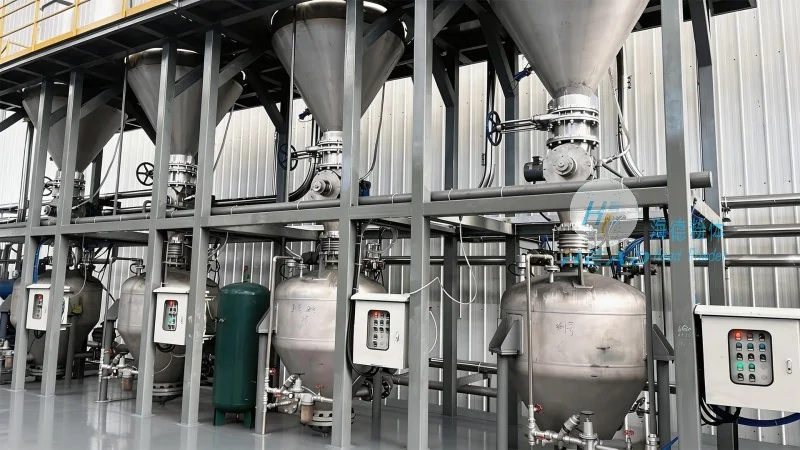
Negative pressure, or vacuum, conveying systems operate by creating a lower pressure inside the conveying line compared to the ambient air. This draws the husk material into the system through a suction point. The process involves a vacuum pump that pulls material from the source, such as a storage silo or hopper, and transports it to the destination point. This method is particularly effective for materials that are light, dusty, or require gentle handling to prevent degradation.
Key advantages of negative pressure conveying include its ability to handle fine, dusty materials without causing excessive dust dispersion. It also allows for longer conveying distances and can operate in environments where positive pressure might be problematic due to fire or explosion risks. However, it may require more complex equipment, including robust vacuum pumps and sealed systems to prevent air leakage, which can increase initial investment costs.
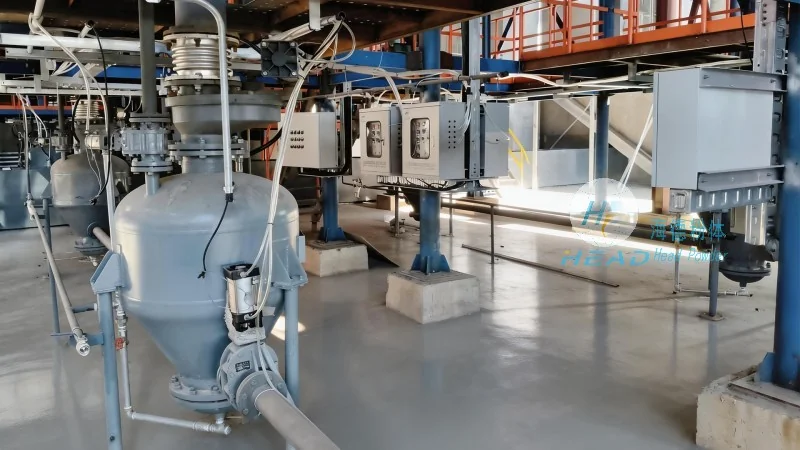
Positive pressure conveying systems, on the other hand, use a blower or fan to generate higher pressure inside the conveying line than the surrounding air. The material is pushed through the system from the source to the destination. This method is often preferred for bulkier, heavier materials and can handle more abrasive or sticky substances. Positive pressure systems are generally simpler in design and may require less maintenance compared to negative pressure systems.
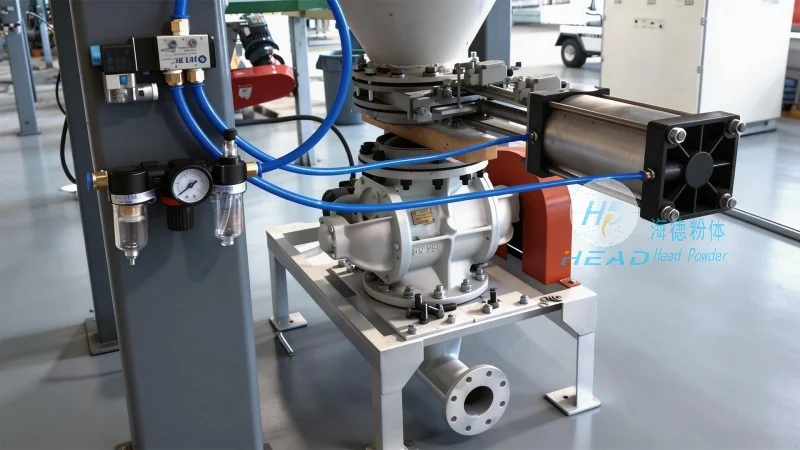
Advantages of positive pressure conveying include its suitability for high-volume, high-velocity applications and its ability to handle materials with higher moisture content. It also tends to have lower initial costs and simpler installation requirements. However, it may generate more dust and noise, and the higher pressure can lead to increased wear on components over time. Additionally, positive pressure systems are not suitable for materials that are highly flammable or explosive, as the pressurized air can pose fire hazards.
When comparing negative and positive pressure conveying for husk transport, several factors come into play. The choice depends on the specific characteristics of the husk material, the distance and layout of the conveying system, and the operational environment. Here are the key considerations:

 Shandong Headpowder Engineering Co., Ltd.
 156-6277-7102(Manager Zhang)
  0531-83386006
  Zhangqiu District, Jinan City, Shandong Province, China
telephone
WeChatconsult
top