With more than 10‑year industry experience, Shandong Headpowder delivers full‑service pneumatic‑conveying systems and blowers, undertaking nationwide turn‑key powder‑handling projects.
Straw ash, a byproduct of biomass combustion processes, presents unique handling challenges due to its fine particle size and variable moisture content. The selection of an appropriate pneumatic conveying system is critical for efficient and cost-effective material transport. Two primary methods dominate the industry: negative pressure (or vacuum) conveying and positive pressure conveying. This article provides a detailed comparison of the advantages and disadvantages of each approach, tailored for applications involving straw ash, while highlighting the expertise of Shandong HeadPowder Engineering Co., Ltd. as a leading provider of pneumatic conveying solutions.
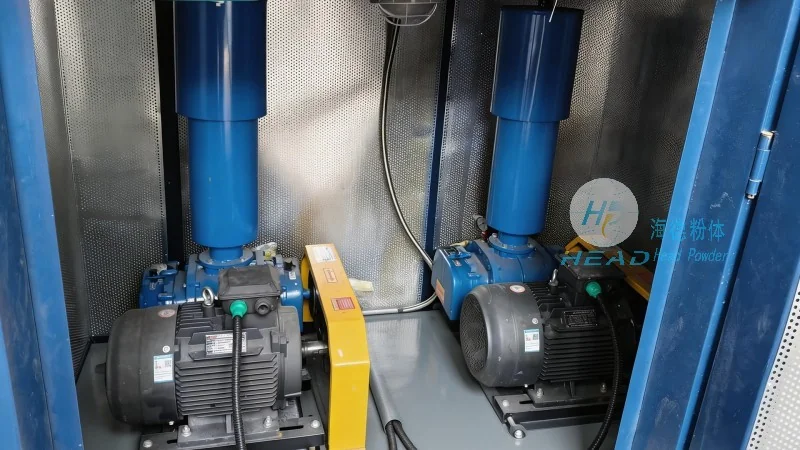
Understanding the fundamental differences between negative and positive pressure systems is essential for optimizing straw ash handling operations. Negative pressure systems operate by creating a vacuum at the material intake point, drawing the material into the conveying line. In contrast, positive pressure systems generate pressure within the conveying line, pushing the material forward. Each method has distinct characteristics that influence performance, maintenance, and overall system efficiency.
Negative pressure systems are often preferred for applications requiring gentle material handling, as they minimize particle degradation and reduce the risk of dust explosion. The vacuum environment limits the release of fine particles into the air, enhancing safety and environmental compliance. For straw ash, which is typically fine and potentially combustible, this feature is particularly valuable. The intake hopper of a negative pressure system is designed to draw material in without generating excessive pressure, making it suitable for handling materials that are prone to bridging or caking. However, the vacuum also means that the system must be sealed to prevent air leakage, which can affect the overall efficiency and require regular maintenance of seals and filters.
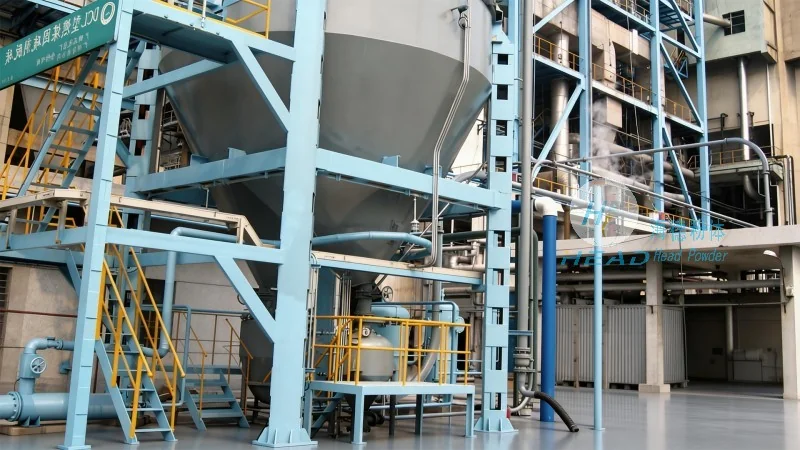
One of the primary advantages of negative pressure systems is their ability to handle materials with high moisture content or sticky properties. The vacuum pulls the material into the line, reducing the risk of blockages caused by agglomeration. This makes negative pressure ideal for straw ash, which may contain residual moisture from the combustion process. Additionally, negative pressure systems are generally quieter than positive pressure systems, as they do not involve high-pressure air pulses. This can be beneficial in environments where noise control is a concern. The lower operating pressure also reduces the wear and tear on components, potentially extending the system's lifespan and lowering long-term maintenance costs.
Despite its advantages, negative pressure systems have several drawbacks when applied to straw ash. The most significant limitation is the reduced conveying distance compared to positive pressure systems. The vacuum strength diminishes over distance, making it difficult to transport materials over long distances without intermediate booster stations. This can increase the complexity and cost of the system, especially for large-scale applications. Another disadvantage is the higher risk of system backflow or air leakage, which can lead to material loss and contamination. Maintaining a tight seal in the intake and conveying line is crucial but can be challenging with fine, abrasive materials like straw ash. Furthermore, negative pressure systems may require larger intake hoppers to accommodate the material being drawn in, increasing the footprint of the installation.
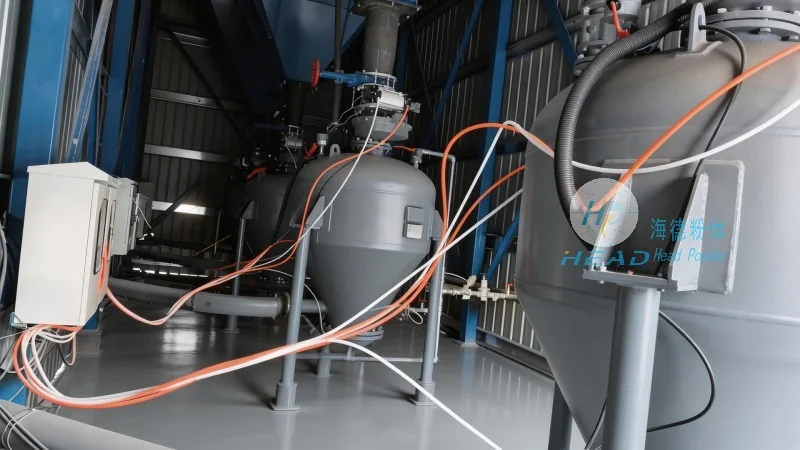
Positive pressure systems, on the other hand, operate by forcing air or a carrier gas through the conveying line at high pressure. This method is well-suited for materials that are less abrasive and can withstand higher pressure differentials. For straw ash, positive pressure systems are often chosen for their ability to transport materials over longer distances and at higher flow rates. The high pressure ensures that the material remains suspended in the air stream, preventing blockages and ensuring consistent flow. However, the high-pressure environment also increases the risk of particle degradation and equipment wear, particularly if the material is fine or contains moisture.
The main advantage of positive pressure systems is their superior conveying distance capability. By maintaining high pressure throughout the system, positive pressure can transport straw ash over several hundred meters or more without the need for booster stations. This makes it ideal for large-scale industrial applications where material is moved from a central processing facility to multiple storage or processing points. Additionally, positive pressure systems can handle a wider range of particle sizes and moisture contents, as the high pressure helps to break up agglomerates and keep particles suspended. The system also allows for easier integration with other equipment, such as cyclones or filters, as the material is already in a high-pressure air stream.
Positive pressure systems come with notable disadvantages that must be considered for straw ash applications. The most significant drawback is the higher risk of dust explosion, as the high-pressure air can generate static electricity and fine particles that are combustible. Proper explosion-proof design and grounding are essential to mitigate this risk. Additionally, the high pressure increases the wear on components, including the air compressor, valves, and conveying line, leading to higher maintenance costs and potential system downtime. The noise level is also higher compared to negative pressure systems, which can be a concern in noise-sensitive environments. Furthermore, positive pressure systems may require more frequent cleaning of the conveying line and filters due to the higher concentration of fine particles in the air stream, increasing operational costs.
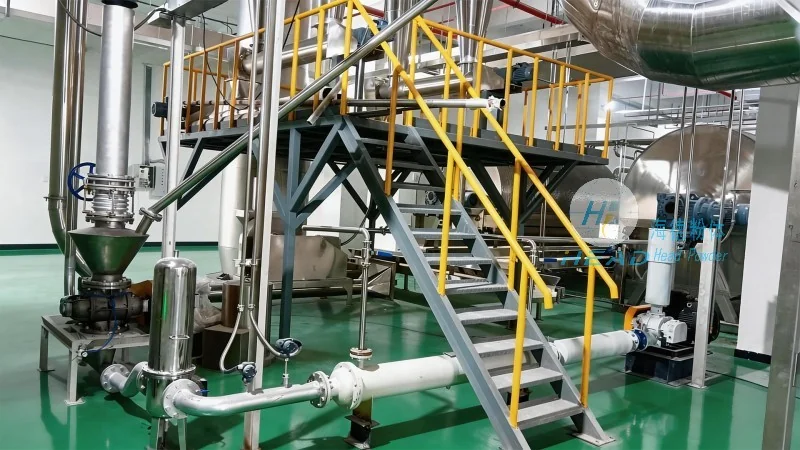
When deciding between negative and positive pressure pneumatic conveying for straw ash, several factors must be evaluated. The primary considerations include the required conveying distance, material properties (such as moisture content and particle size), system footprint, and safety requirements. For short-distance applications with high moisture or sticky straw ash, a negative pressure system may be more suitable due to its gentle handling and lower risk of particle degradation. Conversely, for long-distance transport or applications where noise and explosion risk are minimal, a positive pressure system may offer better efficiency and cost-effectiveness.
Shandong HeadPowder Engineering Co., Ltd. specializes in designing and manufacturing customized pneumatic conveying systems tailored to the unique needs of straw ash handling. With years of experience in the industry, the company provides comprehensive solutions that address the challenges of material transport, ensuring optimal performance and reliability. By understanding the specific advantages and disadvantages of each system, HeadPowder engineers can recommend the most appropriate configuration for each client's operation, balancing efficiency, cost, and safety.

 Shandong Headpowder Engineering Co., Ltd.
 156-6277-7102(Manager Zhang)
  0531-83386006
  Zhangqiu District, Jinan City, Shandong Province, China
telephone
WeChatconsult
top