With more than 10‑year industry experience, Shandong Headpowder delivers full‑service pneumatic‑conveying systems and blowers, undertaking nationwide turn‑key powder‑handling projects.
HeadPowder, a leading provider of pneumatic conveying solutions, specializes in systems tailored for the efficient handling of calcium powder. This technical analysis delves into the core technologies of pneumatic conveying systems, specifically comparing the positive pressure and negative pressure modes to help clients select the most suitable solution for their industrial applications.
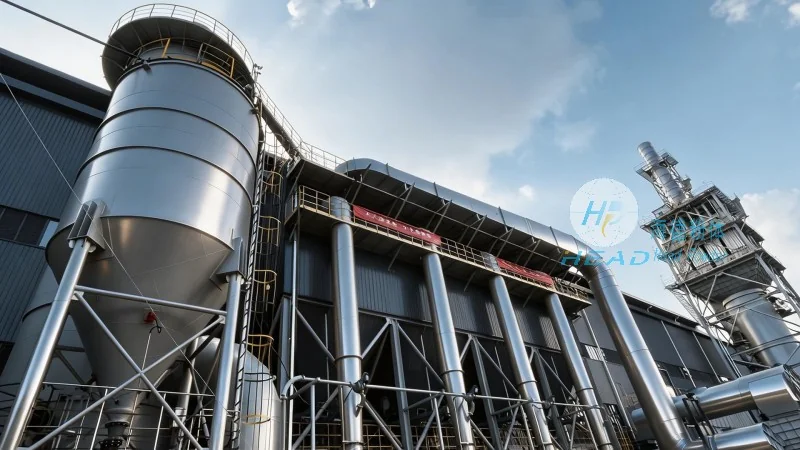
Pneumatic conveying systems are widely used in the chemical, food, and pharmaceutical industries to transport bulk materials like calcium powder. These systems utilize air or gas to move powders through pipelines, offering advantages such as dust-free operation, reduced material degradation, and the ability to handle materials in a closed system. The choice between positive pressure and negative pressure conveying modes significantly impacts system performance, cost, and suitability for specific calcium powder characteristics.
Positive pressure conveying systems operate by blowing air or gas into the material stream, creating a pressure higher than the ambient environment. This mode is particularly effective for transporting calcium powder that is prone to bridging or caking, as the high pressure helps break up agglomerates and maintain consistent flow. The system typically includes a blower or compressor at the inlet, which generates the necessary pressure to move the powder through the pipeline. A key advantage of positive pressure systems is their ability to handle abrasive or corrosive materials without damaging the equipment, as the high-pressure air provides a protective cushion. Additionally, these systems are well-suited for long-distance and high-rise applications, as the positive pressure can overcome elevation changes and maintain flow rates over extended distances.
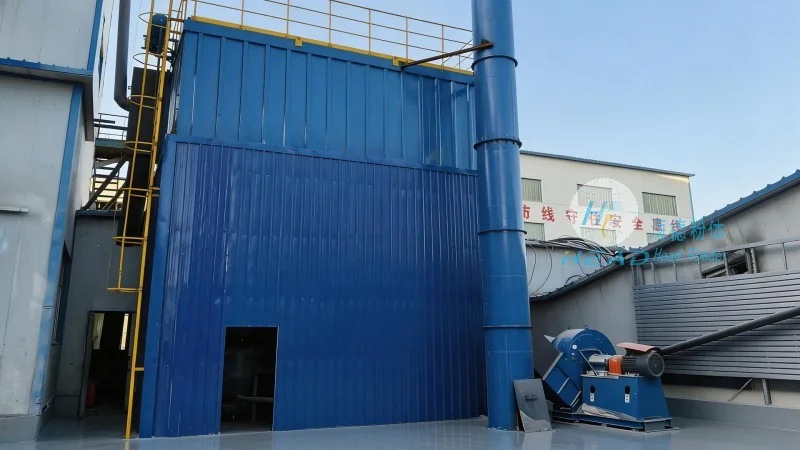
Negative pressure conveying systems, also known as vacuum conveying, operate by creating a vacuum at the inlet of the material stream, drawing the powder into the system. This mode is ideal for applications where the material is to be collected from a source that is difficult to access or where the powder needs to be transported to a higher elevation. The system typically includes a vacuum pump at the inlet, which creates a low-pressure environment that pulls the powder into the pipeline. A major advantage of negative pressure systems is their ability to handle fine, low-density powders with minimal clogging, as the vacuum helps maintain particle suspension. These systems are also suitable for indoor applications where dust containment is critical, as the vacuum draws the powder into the system rather than releasing it into the environment. However, negative pressure systems may be less efficient for long-distance transport due to the limitations of vacuum pressure, and they require careful maintenance to prevent dust leakage and system contamination.
When selecting between positive and negative pressure conveying modes for calcium powder, several factors must be considered. Positive pressure systems are generally more suitable for high-volume, long-distance transport and for materials that are prone to agglomeration or caking. They offer higher flow rates and better control over the material's velocity, which can reduce wear on the pipeline and equipment. On the other hand, negative pressure systems are preferred for handling fine, dry powders and for applications where dust containment is paramount. They are also more energy-efficient for short-distance transport, as the vacuum pump consumes less power than a high-pressure blower. The choice also depends on the specific characteristics of the calcium powder, such as its particle size, moisture content, and flowability. For example, a calcium powder with high moisture content may require a positive pressure system to prevent caking, while a fine, dry powder may be better suited for a negative pressure system to maintain particle suspension and avoid clogging.
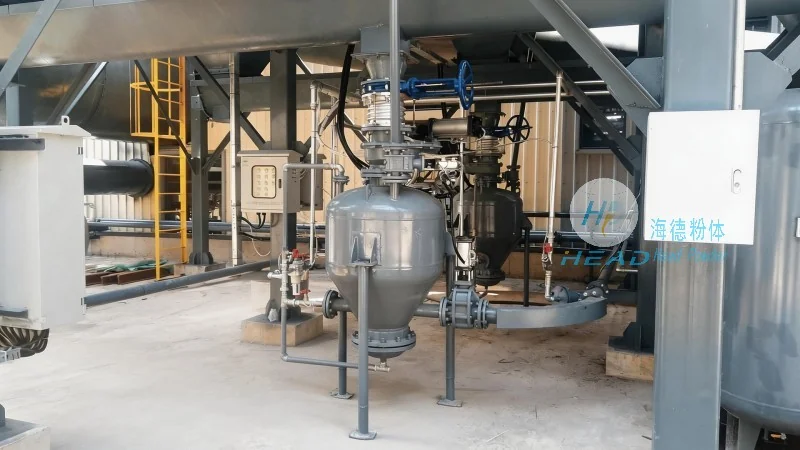
Regardless of the chosen conveying mode, proper system design and installation are crucial for optimal performance. HeadPowder emphasizes the importance of selecting the right blower or vacuum pump based on the material's properties and system requirements. The pipeline diameter and length must be carefully calculated to ensure sufficient pressure or vacuum to maintain flow rates without excessive energy consumption. Additionally, the system should include appropriate filters and cyclones to separate the powder from the air or gas, preventing contamination and ensuring the longevity of the equipment. For calcium powder, which may be abrasive or corrosive, the selection of materials for the pipeline and components is critical. HeadPowder recommends using stainless steel or other corrosion-resistant materials to withstand the material's effects and extend the system's lifespan. Proper sealing and maintenance of all components are also essential to prevent leaks and ensure consistent operation.
In conclusion, both positive pressure and negative pressure conveying modes offer viable solutions for calcium powder handling, each with its own advantages and limitations. The selection depends on factors such as material characteristics, transport distance, and environmental requirements. HeadPowder, with its expertise in pneumatic conveying systems, provides customized solutions that balance performance, cost, and operational efficiency. By understanding the differences between these modes and considering the specific needs of the application, clients can choose the most effective system to ensure reliable and efficient calcium powder transport. HeadPowder's commitment to quality and innovation ensures that its systems meet the highest standards in the industry, providing long-term value and reliability for its clients. Whether a client requires a positive pressure system for high-volume transport or a negative pressure system for fine powder handling, HeadPowder's technical expertise and tailored solutions help optimize material handling processes and enhance overall operational productivity.

 Shandong Headpowder Engineering Co., Ltd.
 156-6277-7102(Manager Zhang)
  0531-83386006
  Zhangqiu District, Jinan City, Shandong Province, China
telephone
WeChatconsult
top