With more than 10‑year industry experience, Shandong Headpowder delivers full‑service pneumatic‑conveying systems and blowers, undertaking nationwide turn‑key powder‑handling projects.
When it comes to transporting clay materials, selecting the right method is crucial for efficiency and cost-effectiveness. Two primary approaches are widely used in the industry: positive pressure transport and negative pressure transport. Understanding the differences between these two systems is essential for making an informed decision that aligns with operational needs and material characteristics. This article explores the key distinctions between positive and negative pressure systems, helping you evaluate which option is best suited for your clay transport requirements.
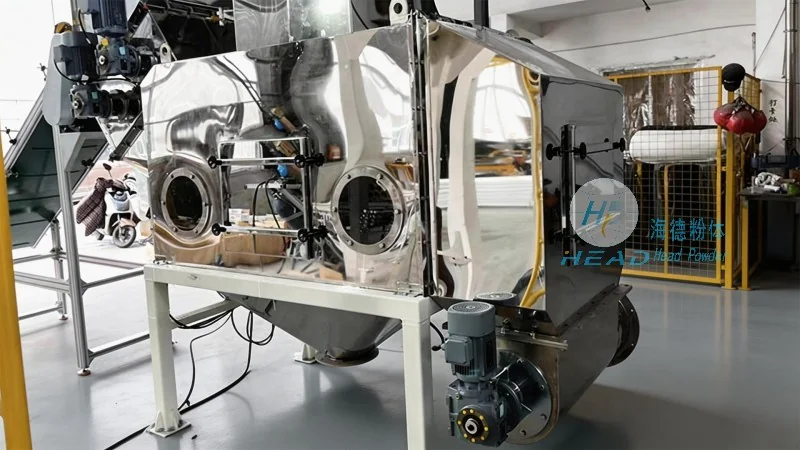
HeadPowder, a leading provider of industrial material handling solutions, offers expertise in both positive and negative pressure clay transport systems. With years of experience in the field, the company understands the unique challenges associated with clay, such as its high moisture content, abrasive nature, and tendency to clog equipment. By leveraging advanced engineering and technology, HeadPowder develops tailored solutions that ensure reliable and efficient clay transport for various applications, including mining, construction, and manufacturing.
Positive pressure transport, also known as pressure blow or pneumatic conveying with positive pressure, involves forcing the material through a pipeline using compressed air or gas. In this system, the conveying medium (air or gas) is pressurized and directed into the pipeline, creating a flow that moves the clay particles along the line. This method is particularly effective for short to medium-distance transport and for materials that are less abrasive or have lower moisture content.
One of the main advantages of positive pressure transport is its ability to handle a wide range of particle sizes and moisture levels. The pressurized air helps to break up agglomerates and maintain a consistent flow, reducing the risk of blockages. Additionally, positive pressure systems can operate at higher velocities, which enhances the conveying efficiency for certain clay types. However, it is important to note that these systems may require more energy input due to the need for continuous compression of the air or gas.
Positive pressure clay transport systems typically include components such as a positive displacement blower or compressor, a hopper for material storage, a feeder to control the flow rate, and a pipeline network. The compressed air is introduced at the inlet of the pipeline, creating a pressure differential that propels the clay particles forward. The system may also incorporate filters and cyclones to separate the conveying medium from the material, ensuring that the clay reaches its destination without contamination.
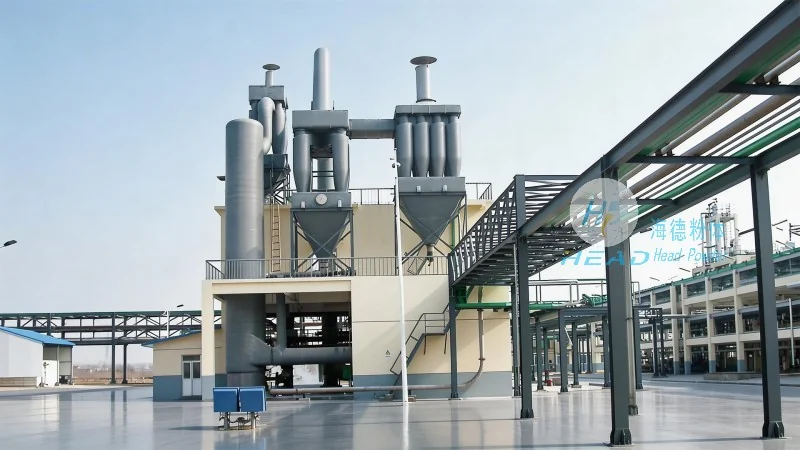
HeadPowder’s positive pressure clay transport solutions are designed to maximize efficiency and minimize downtime. The company’s engineers work closely with clients to assess their specific operational parameters, such as the distance to be covered, the volume of clay to be transported, and the desired flow rate. By customizing the system components, such as the blower size and pipeline diameter, HeadPowder ensures that the transport process is optimized for the unique characteristics of the clay being handled.
Negative pressure transport, or vacuum conveying, operates by creating a vacuum in the pipeline to draw the clay material from the source to the destination. This method uses a vacuum pump to reduce the pressure inside the pipeline, causing the material to be pulled along the line by the pressure difference. Negative pressure systems are often preferred for longer distances and for materials that are more abrasive or have higher moisture content, as they can handle larger particles and maintain a consistent flow without the need for high velocities.
A significant advantage of negative pressure transport is its lower energy consumption compared to positive pressure systems. The vacuum pump operates at lower pressures, reducing the overall energy requirements. Additionally, these systems are less likely to cause material degradation due to the lower air velocities, which is beneficial for clay that is sensitive to abrasion or moisture loss. However, negative pressure transport may be less effective for very fine or dry clay particles, as the vacuum may not provide sufficient force to move them through the pipeline.
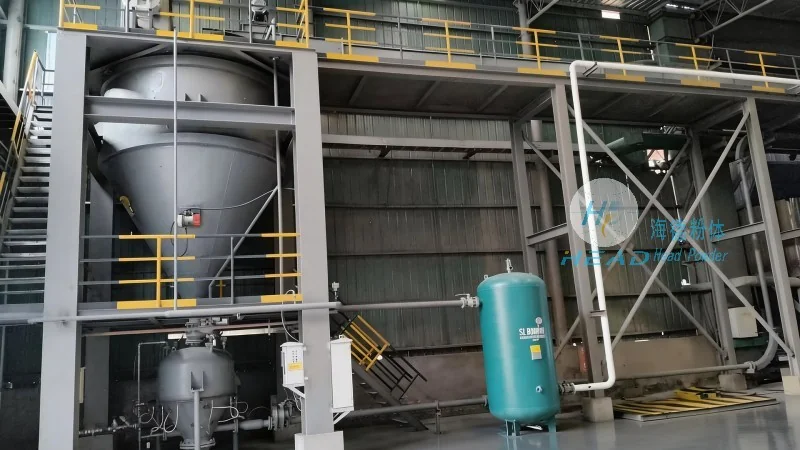
Negative pressure clay transport systems consist of a vacuum pump, a hopper or material source, a feeder, and a pipeline network. The vacuum is created at the inlet of the pipeline, and the material is drawn into the system due to the pressure differential. The system may include filters and cyclones to separate the conveying medium from the clay, ensuring that the material is delivered in a clean and dry state. Some negative pressure systems also incorporate a rotary valve or feeder to control the flow rate and prevent blockages.
HeadPowder’s negative pressure clay transport solutions are engineered to provide reliable and efficient transport for a wide range of clay applications. The company’s expertise in vacuum technology allows them to design systems that can handle long distances and challenging material properties. By selecting the appropriate vacuum pump and pipeline configuration, HeadPowder ensures that the clay is transported safely and effectively, minimizing the risk of clogging or system failure.
Deciding between positive and negative pressure transport for clay depends on several factors, including the distance of transport, the material characteristics, and the operational requirements. Shorter distances and less abrasive clay may benefit from positive pressure systems, as they offer higher velocities and better handling of agglomerates. Conversely, longer distances and more abrasive or moist clay may be better suited for negative pressure systems, which provide lower energy consumption and reduced material degradation.
HeadPowder assists clients in evaluating these factors and selecting the optimal transport method. The company’s technical team conducts thorough assessments of the clay’s properties, such as particle size distribution, moisture content, and abrasiveness, to determine the most suitable system. By considering factors like the required flow rate, pipeline length, and available space, HeadPowder develops customized solutions that meet the specific needs of each client.

 Shandong Headpowder Engineering Co., Ltd.
 156-6277-7102(Manager Zhang)
  0531-83386006
  Zhangqiu District, Jinan City, Shandong Province, China
telephone
WeChatconsult
top