With more than 10‑year industry experience, Shandong Headpowder delivers full‑service pneumatic‑conveying systems and blowers, undertaking nationwide turn‑key powder‑handling projects.
When it comes to transporting manganese sulfate, selecting the right method is crucial for ensuring efficiency, safety, and cost-effectiveness. Two primary approaches are widely used: positive pressure transport and negative pressure transport. Understanding the differences and how to choose between them is essential for optimizing the transport process. This article will explore the key aspects of each method and provide guidance on how to make the right decision for your specific needs.
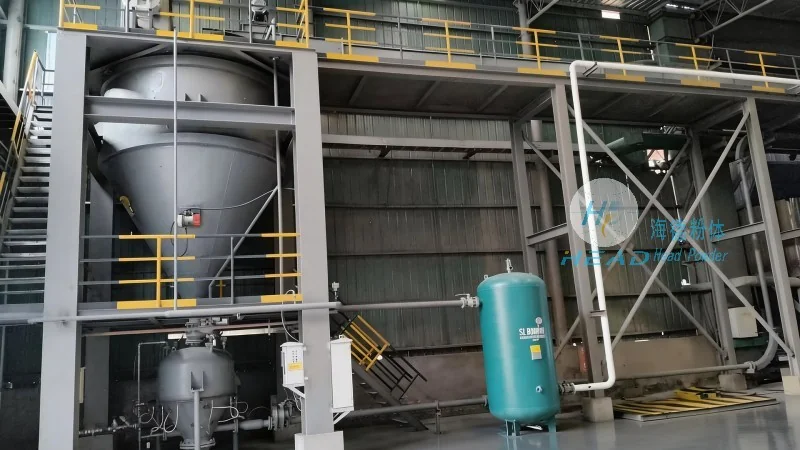
Manganese sulfate is a critical chemical used in various industries, including agriculture, battery manufacturing, and water treatment. The choice of transport method directly impacts the handling of this corrosive and sometimes hazardous material. Positive pressure and negative pressure systems are two distinct approaches that serve different operational requirements. By evaluating the characteristics of each, you can determine which is best suited for your application.
Positive pressure transport involves using a pressurized system to move materials through a pipeline or container. In this method, air or an inert gas is introduced into the system to create a pressure differential that drives the flow of manganese sulfate. This approach is particularly effective for transporting materials that are prone to clogging or require a consistent flow rate. The positive pressure system ensures that the material is continuously pushed forward, reducing the risk of stagnation and ensuring that the entire batch is transported without interruption.
Key advantages of positive pressure transport include enhanced control over flow rates, reduced risk of material degradation due to exposure to air, and improved safety by minimizing the risk of dust or fume release. This method is often preferred for bulk transport over long distances or in industrial settings where precise control is necessary. The system typically includes components such as blowers, compressors, and pressure regulators to maintain the required pressure levels throughout the transport process.
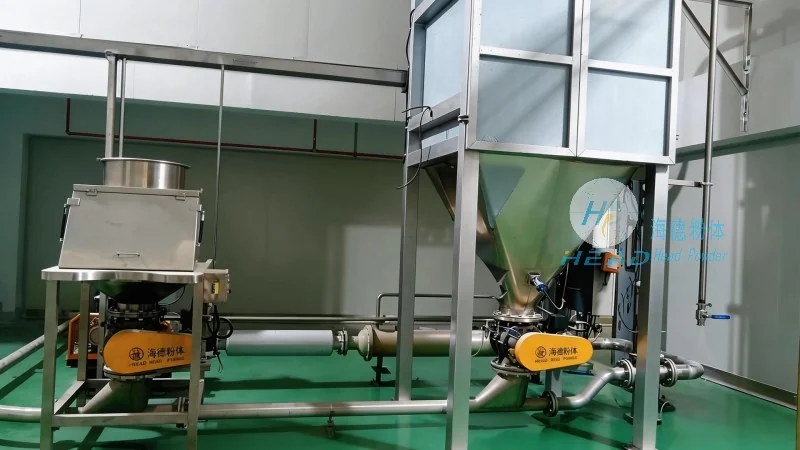
Negative pressure transport, also known as vacuum transport, operates by creating a vacuum in the system to draw the material into the transport line. This method uses a vacuum pump to create a pressure difference that pulls the manganese sulfate from the source into the pipeline. Unlike positive pressure, negative pressure systems rely on suction rather than pressure to move the material. This approach is often more energy-efficient for shorter distances and can be less complex to set up compared to positive pressure systems.
Advantages of negative pressure transport include lower energy consumption for short to medium transport distances, reduced equipment complexity, and the ability to handle materials that are less prone to clogging. However, this method may not be suitable for long-distance transport or for materials that require high flow rates, as the vacuum may not be sufficient to maintain consistent flow over extended periods. The system typically includes a vacuum pump, a filter to remove particulates, and a collection tank to store the material before transport.
When deciding between positive and negative pressure transport for manganese sulfate, several factors should be considered. The first is the distance of the transport. Positive pressure systems are generally more suitable for long-distance transport due to their ability to maintain consistent pressure and flow. Negative pressure systems are better for shorter distances or when the material is being moved from a lower elevation to a higher one, as the vacuum can effectively pull the material upward.
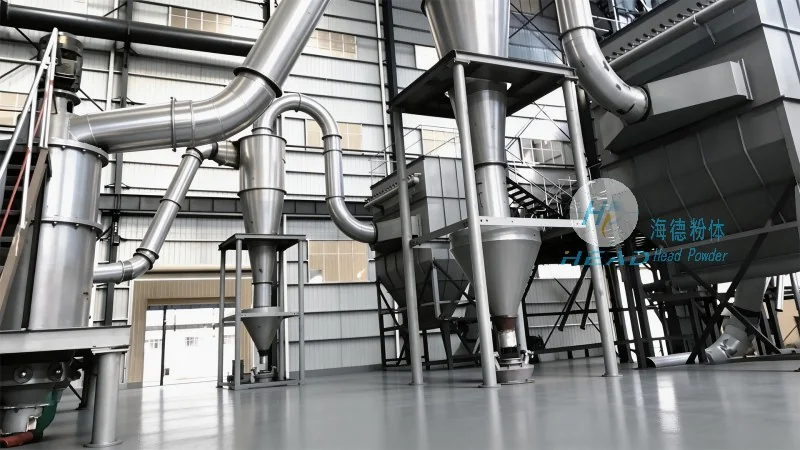
The second factor is the nature of the material. If the manganese sulfate is in a liquid or slurry form and prone to clogging, a positive pressure system may be more effective as it continuously pushes the material forward. For dry or less viscous materials that are less likely to clog, a negative pressure system can be sufficient. Additionally, the risk of material degradation due to exposure to air is a critical consideration. Positive pressure systems, which often use inert gases, are better at preventing oxidation or other chemical changes that can affect the quality of the manganese sulfate.
Another important factor is the energy consumption and operational costs. Positive pressure systems typically require more energy due to the need for compressors and blowers, while negative pressure systems use less energy but may require more maintenance for the vacuum pump and associated components. The initial investment and long-term operational costs should be evaluated to determine the most cost-effective solution.
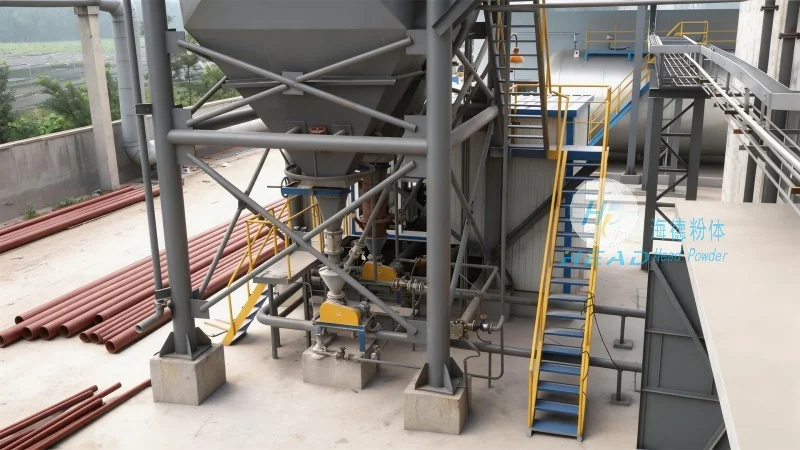
Environmental and safety considerations also play a role in the choice of transport method. Positive pressure systems can help minimize the risk of dust or fume release, which is important for handling corrosive materials like manganese sulfate. Negative pressure systems, while effective for some applications, may require additional safety measures to prevent the escape of hazardous materials if the vacuum system fails.
Choosing between positive and negative pressure transport for manganese sulfate requires a careful evaluation of the specific requirements of your operation. Positive pressure transport is generally preferred for long-distance, high-flow applications where consistent pressure and minimal material degradation are critical. Negative pressure transport is more suitable for shorter distances, less viscous materials, and applications where energy efficiency and lower initial costs are priorities.
By understanding the advantages and limitations of each method, you can make an informed decision that optimizes the transport process for your needs. Whether you opt for positive or negative pressure, ensuring that the system is properly maintained and operated according to safety guidelines is essential for the safe and efficient handling of manganese sulfate.

 Shandong Headpowder Engineering Co., Ltd.
 156-6277-7102(Manager Zhang)
  0531-83386006
  Zhangqiu District, Jinan City, Shandong Province, China
telephone
WeChatconsult
top